Do you think cross-border e-commerce seems difficult? With language and currency differences, plus the need to consider payment and shipping methods, it's understandable to feel that it's a high hurdle.
Paidy eliminates the hassle often associated with payment processing and can have a positive impact on your business. This time, we'll introduce how to integrate it with Shopify.
Google has changed how it displays search results on mobile devices, now showing the favicon and site name. A favicon is a small icon that serves as a symbol for a website. It appears when you bookmark a site, and even when you have many tabs open, you can at least tell which site it is by looking at the favicon. This icon has now been changed to be displayed in Google's mobile search results, and this time we will introduce how to change the favicon in your Shopify store.
This guide will show you how to effectively make money with Shopify. If you're looking to earn money with Shopify, find the method that suits you best, from dropshipping to app development.
If you're adding products to your Shopify store, bulk uploading using a CSV file is a convenient method. This time, we'll show you how to input product information into Shopify using a CSV file.
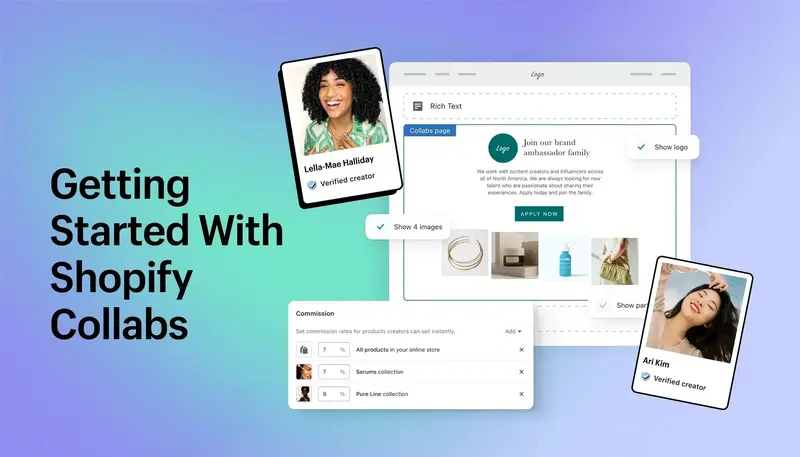
This guide introduces how to get started with Shopify Collabs, its main features, and how to configure them. Learn how to communicate and manage creators seamlessly and use it to promote your products and increase sales.
Instagram Shopping was released in Japan in 2018. Shopify is an e-commerce platform that has released integration features with Instagram Shopping, and the setup process has become easier year by year. This time, we will introduce how to integrate Shopify with Instagram.
Is Shopify one-size-fits-all? No, you can create a unique e-commerce experience with four customization options. We'll explain the features and benefits of Liquid, Headless Commerce, Checkout, and Functions, with examples. Whether you're a beginner or an advanced user, you'll find the perfect option for you.
Here are three examples of headless commerce. Let's draw inspiration from the experiences of e-commerce stores that have implemented headless commerce using Shopify, including improvements in conversion rates.
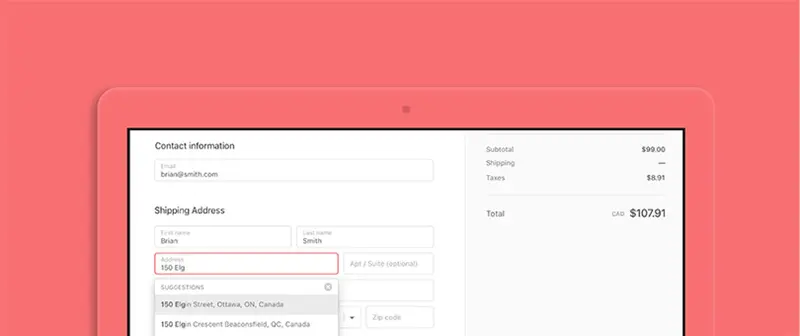
Using Google Autofill in address forms allows customers to check out quickly and easily. This feature will soon be available on Shopify. Every store puts a lot of effort into making the shopping experience enjoyable for customers, but multiple input fields during the checkout process can be cumbersome and may even cause customers to abandon their purchase. This is especially true when customers are shopping on their smartphones, as they are more prone to making mistakes on small screens, and correcting them takes time. To help improve the customer experience and increase conversion rates, Shopify will soon be introducing Google Autofill at no additional cost. This feature will be automatically enabled for all stores soon.
Many e-commerce businesses face a common challenge: "We have plenty of data, but we don't know what to look for in it." While a large amount of data—daily sales, website traffic, customer information, etc.—is automatically collected, in many cases this data is not translated into concrete actions that lead to business growth.
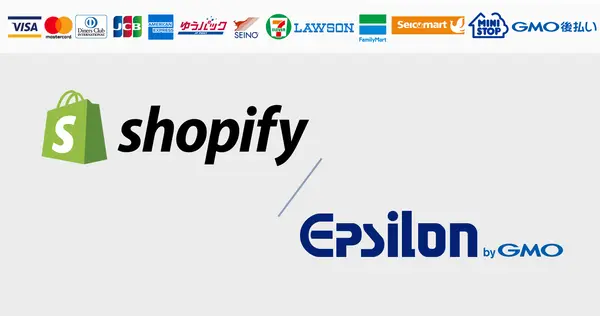
Shopify has partnered with payment processing company GMO Epsilon to launch a comprehensive payment service for Shopify users. This will allow Shopify users to implement all the major payment methods used by Japanese consumers when making online purchases, as well as access convenient optional services and shipping services.
This book solves the challenges faced by companies with annual sales of over 1 billion yen in cross-border e-commerce. It explains the necessary functions and ROI for enterprise-scale global expansion, such as multilingual support, automatic customs duty calculation, and global payment, with real-world examples.
2020 marked a decade-long evolution for the retail industry. This single year permanently changed how entrepreneurs start, run, and grow businesses, and transformed how consumers shop and pay. A new era of commerce is now dawning. As we enter 2021, we analyze Shopify data and merchant and shopper insights to highlight key predictions for the rapidly evolving future of commerce.
Shopify offers a wide variety of free apps. This time, we'll introduce some of our top recommended free apps and features. Take advantage of convenient services such as adding customer reviews and automating processes.
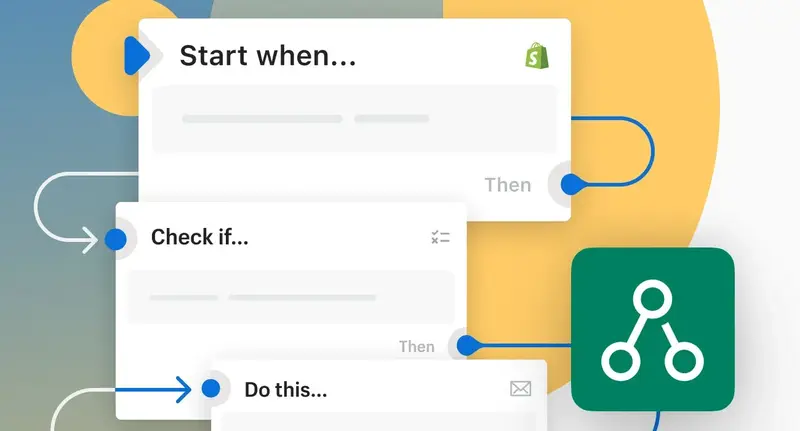
This guide introduces Shopify Flow scheduling and automation templates. Learn how to retrieve and process customer, order, and product data regularly to automate your e-commerce operations and improve operational efficiency.
This article summarizes the new automation features of Shopify Flow. We'll show you how setup and management have been streamlined, including workflow creation with Sidekick, pre-execution previews, and execution cancellation in case of errors.
"Matrixify" is an app specializing in data import/export, and this explains why it's essential for e-commerce operations and how much it can improve efficiency.
For those who are undecided between selling their products on Etsy and Shopify, this article will explain the differences between the two, how to integrate them, and share successful examples of selling on both platforms.
This article will explain the reasons why enterprises are migrating to Shopify, focusing on four perspectives: unified commerce, complexity reduction, innovation, and ROI, and will include the latest case studies.
This guide explains how to collect email addresses using Shopify's POS system. Let's cover the steps to connect in-store customers with online customers.
 跨境独立站开店