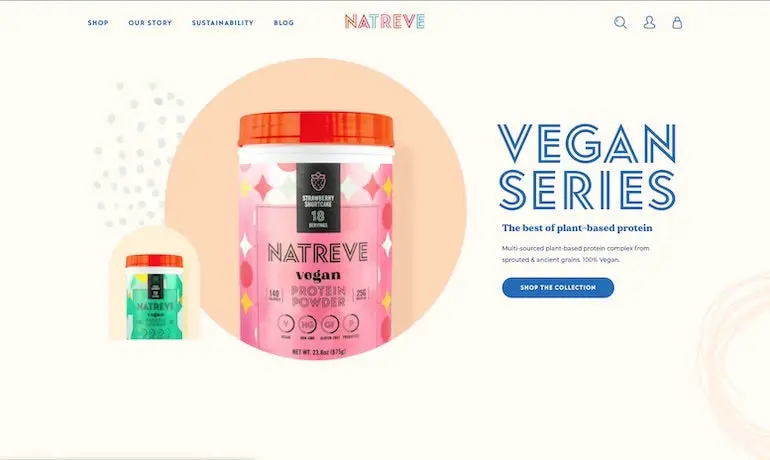
We're excited to announce the winners of the Shopify Commerce Awards 2020! This award, open to 1.7 million merchants using the Shopify platform, invited partners and developers to submit their most impactful web designs and development projects. After a rigorous selection process, we honored nine prestigious companies.
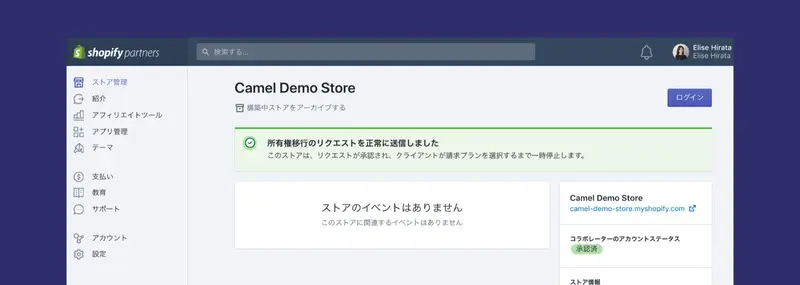
If you're a Shopify partner, you've probably set up a development store. A development store is a free Shopify account where you can build stores for clients and try out new themes and apps. It's an important component of Shopify building and provides many opportunities to learn about the platform's capabilities.
Shopify apps and themes allow you to incorporate various unique features and designs into your Shopify platform. This article summarizes the basic information and useful tips needed for developing such Shopify apps and themes.
Embedded apps are an essential part of the Shopify ecosystem, allowing merchants to add functionality to their stores without leaving the familiar Shopify Admin.
*The discontinuation of the old version mentioned in this article in April 2020 has been postponed until July. Please refer to this blog for details. Until Shopify introduced API version control in April 2019, Shopify apps could only connect with the latest API versions. As merchant-specific features were released, the APIs associated with those features also evolved, and apps needed to quickly adapt to the new methods in order to continue functioning correctly.
This article summarizes the API features released in October. We'll clearly explain how the changes in the latest API release will improve app quality and the developer experience.
Here's a summary of the new API features released in July 2020. Understanding the changes in the latest API release will help improve your app's quality and developer experience.
This article summarizes the API features released in April 2020. Please take advantage of the latest API features to improve the quality of your application.
Affiliate marketing has become a term we see everywhere these days. Influencers around the world are using it, from Instagram to various blogs. But affiliate marketing isn't just for celebrities or those with millions of followers. If you work in the e-commerce industry, the Shopify Affiliate Program offers plenty of opportunities to participate in affiliate marketing. This article will explain what it means to become a Shopify Affiliate Partner and how to effectively apply for the program.
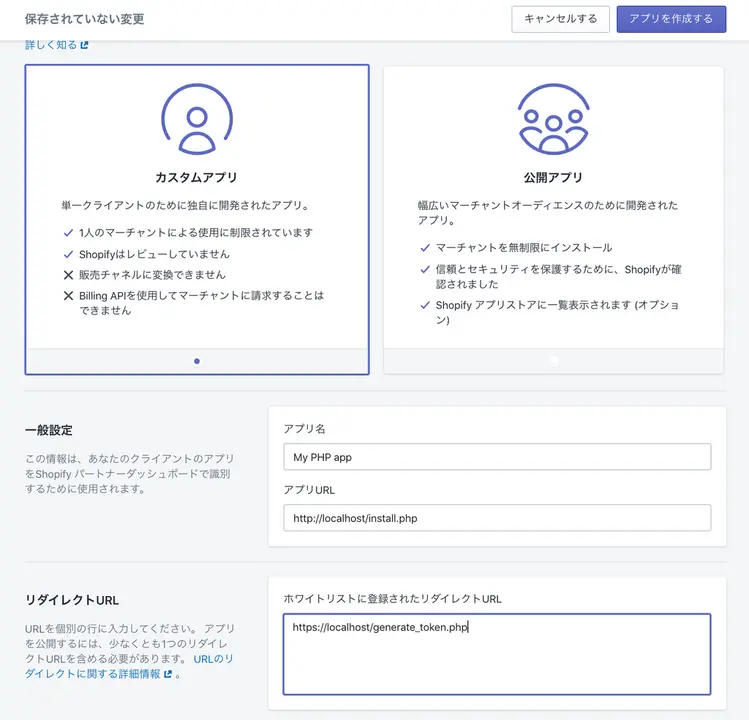
Many merchants need help to extend the functionality of their online stores. If you have an idea for an app that can help boost a merchant's sales, you might be able to make it happen by using the Shopify API. The API allows you to download the shop's product catalog, modify themes, and more.
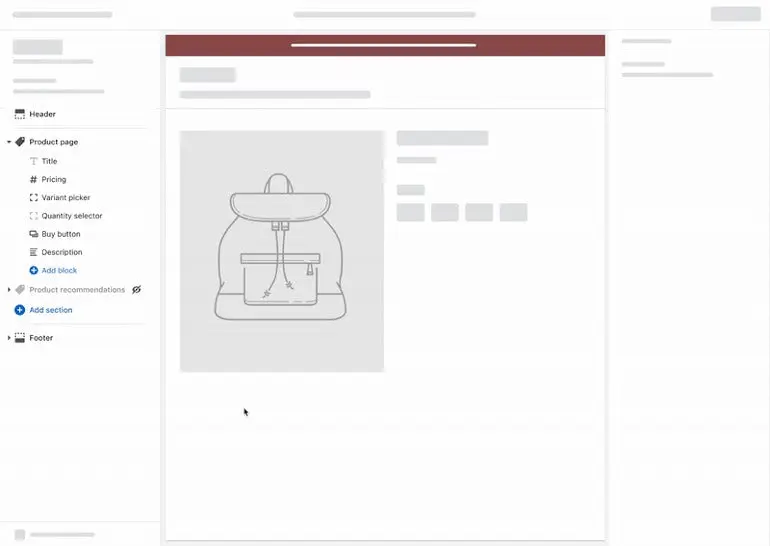
At Shopify Unite 2021, theme app extensions were announced for developers, allowing merchants to embed apps into their themes via app blocks. Theme app extensions completely change how merchants interact with your apps on the storefront.
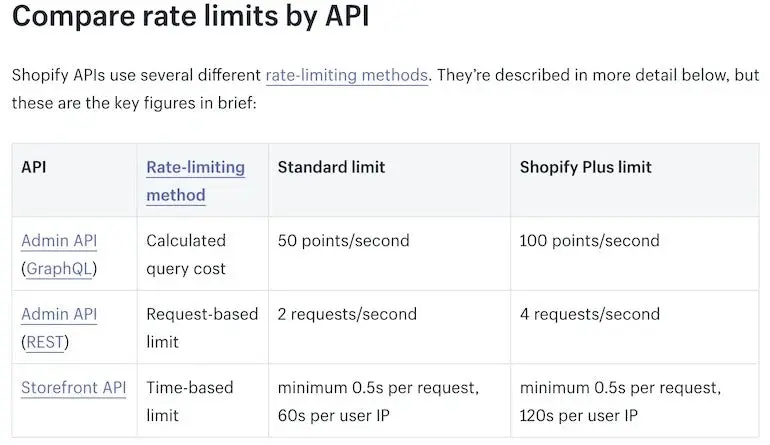
This article explains the definition and importance of rate limits, touches upon the "leaky bucket" algorithm used by Shopify, and discusses the benefits that merchants and partners can gain.
At Shopify, we are constantly dedicated to providing a world-class commerce experience that meets the evolving needs of the industry and the rapidly changing expectations of merchants and consumers.
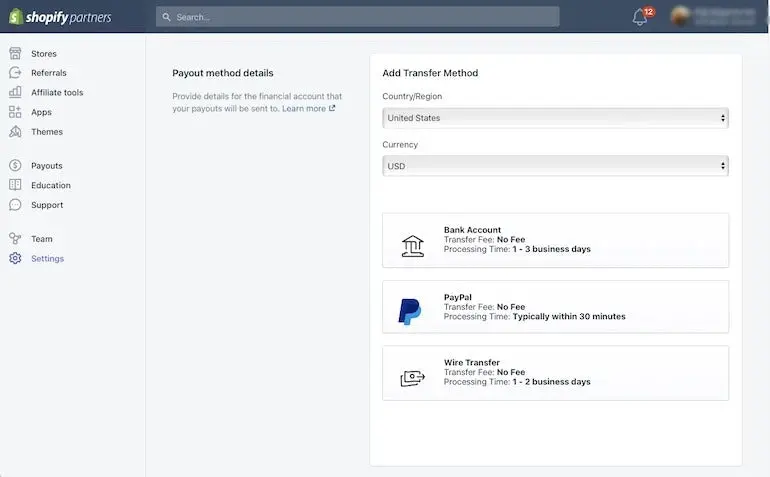
Starting in November 2021, a new payment method is available for all Shopify partners. This applies to app developers, theme developers, experts, affiliates, and agency partners.
Puzzlly, an online video learning service specializing in No-Code development operated by Tokyo Freelance, provides easy-to-understand tutorials on how to use No-Code tools, including Shopify. With the goal of creating a world where anyone can turn their ideas into reality, the service offers free tutorials on how to use these tools and is gaining popularity, primarily through social media.
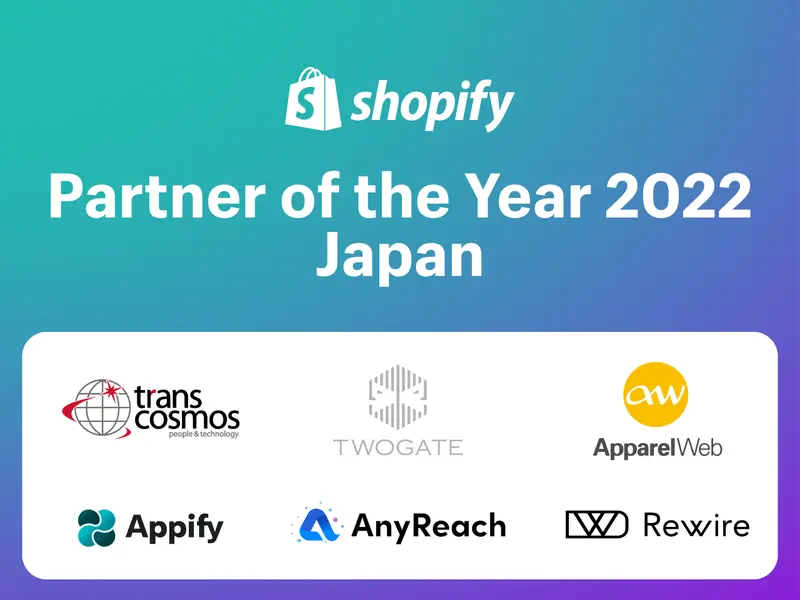
The Shopify Partner of the Year award is given to companies that have demonstrated outstanding performance and reputation as Shopify partners. Currently, there are over several thousand Shopify partners in Japan, and they support merchants' businesses every day by developing groundbreaking solutions and providing unique services in all areas. There are mainly four types of partners: agency partners (store building partners), app development partners, theme development partners, and affiliate partners. These partners engage in businesses such as creating e-commerce sites, developing apps, customizing site designs, and promoting Shopify as an affiliate in media and other places.
One of the biggest advantages of being a Shopify app partner is the opportunity to connect with merchants who are looking to improve their store operations by leveraging the Shopify App Store.
This article introduces the meaning, types, and strategies of partner marketing. Learn how to increase brand awareness and effective approaches to enhance your partnerships and strengthen collaborations.
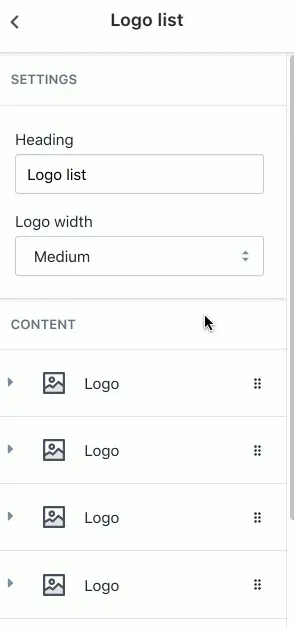
Clients often want to highlight their business partners to showcase their credibility and high demand. The easiest and most effective way to achieve this is to include a section on their website displaying their business partners' brand logos. In a previous blog post on web design development, we discussed the benefits of social proof. "Of the many forms of social proof, the most immediate and effective is incorporating brand logos into e-commerce page designs." A well-placed and visually appealing logo section conveys a sophisticated and trustworthy impression, expressing the brand story more through images than text. Logo sections can also be used on developer portfolio sites, as they visually represent the services offered, much like a logo. Theme developer Maestrooo has used this technique to showcase multiple development services, resulting in a highly effective site.
Forms are used at many touchpoints in Shopify. From customer registration and blog comments to contacting merchants and adding product variations to the cart, forms are used everywhere. Because forms play a significant role in connecting clients and users, it's crucial to make this component robust and user-friendly.
"You can read this in 3 minutes." At some point, online entrepreneurs need landing pages to promote their products, capture marketing leads, and launch campaigns.
 跨境独立站开店