When running a Shopify store, you may need to customize it to suit your business needs, such as changing discounts based on purchase amount or changing shipping rules for specific products. However, the standard features have limitations, and many businesses want more flexible functionality.
Shopify evangelists are dedicated to raising awareness of Shopify. This time, we interviewed three evangelists who collaborate with Shopify on joint development projects and seminars, asking them about their activities, challenges, and points to consider when implementing Shopify.
Among the various Shopify apps that can provide merchants with a range of functions, embedded apps that can be placed in the admin panel are highly valued for providing merchants with a powerful user experience (UX).
We're excited to announce the winners of the Shopify Commerce Awards 2020! This award, open to 1.7 million merchants using the Shopify platform, invited partners and developers to submit their most impactful web designs and development projects. After a rigorous selection process, we honored nine prestigious companies.
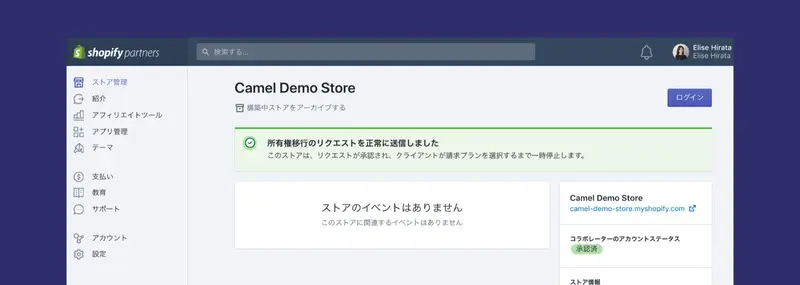
If you're a Shopify partner, you've probably set up a development store. A development store is a free Shopify account where you can build stores for clients and try out new themes and apps. It's an important component of Shopify building and provides many opportunities to learn about the platform's capabilities.
Shopify apps and themes allow you to incorporate various unique features and designs into your Shopify platform. This article summarizes the basic information and useful tips needed for developing such Shopify apps and themes.
Embedded apps are an essential part of the Shopify ecosystem, allowing merchants to add functionality to their stores without leaving the familiar Shopify Admin.
*The discontinuation of the old version mentioned in this article in April 2020 has been postponed until July. Please refer to this blog for details. Until Shopify introduced API version control in April 2019, Shopify apps could only connect with the latest API versions. As merchant-specific features were released, the APIs associated with those features also evolved, and apps needed to quickly adapt to the new methods in order to continue functioning correctly.
A summary of API features as of October 2021. This article explains the significant improvements to the Storefront API, including the revamped Cart API and the ability to retrieve specific resources by ID.
A summary of API features as of July 2021. This information will help you improve the quality of your app and streamline your development experience by incorporating the latest changes.
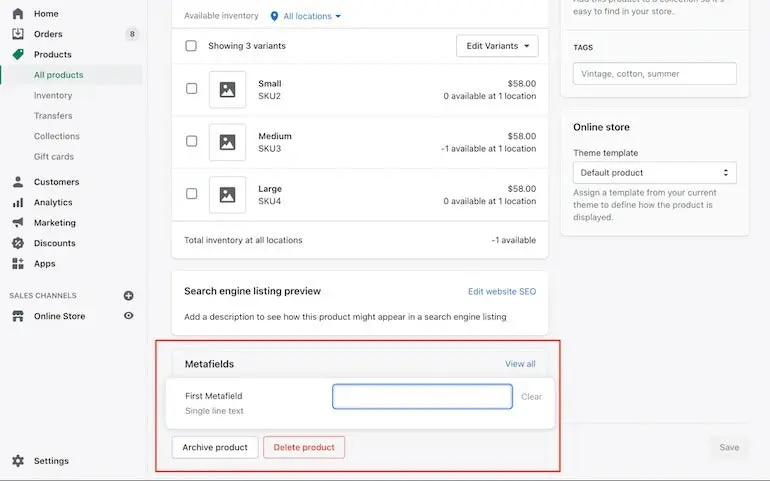
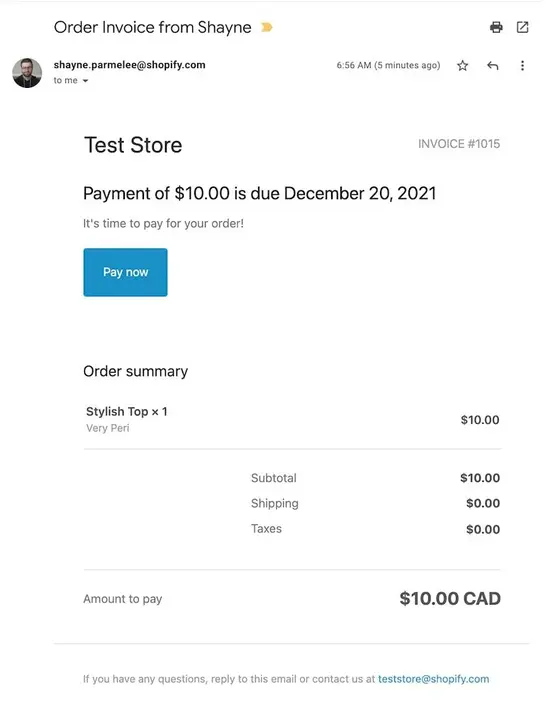
Summary of API features for January 2022. This version includes improved product filtering via the Storefront API, a revamped Product Taxonomy API, definitions of new metafields for collections, customers, and orders, the Order Invoice API, new error codes for Bulk Mutations, and a simplified method for retrieving translatable resources, feature images, and barcodes.
In the 2019-10 release, most of the changes were related to Shopify data. However, this release focuses on products, orders, and order processing flows.
This article summarizes the API features released in April 2021. Please take advantage of the latest API features to improve the quality of your application.
This article summarizes the API features released in October. We'll clearly explain how the changes in the latest API release will improve app quality and the developer experience.
Here's a summary of the new API features released in July 2020. Understanding the changes in the latest API release will help improve your app's quality and developer experience.
This article summarizes the API features released in April 2020. Please take advantage of the latest API features to improve the quality of your application.
Affiliate marketing has become a term we see everywhere these days. Influencers around the world are using it, from Instagram to various blogs. But affiliate marketing isn't just for celebrities or those with millions of followers. If you work in the e-commerce industry, the Shopify Affiliate Program offers plenty of opportunities to participate in affiliate marketing. This article will explain what it means to become a Shopify Affiliate Partner and how to effectively apply for the program.
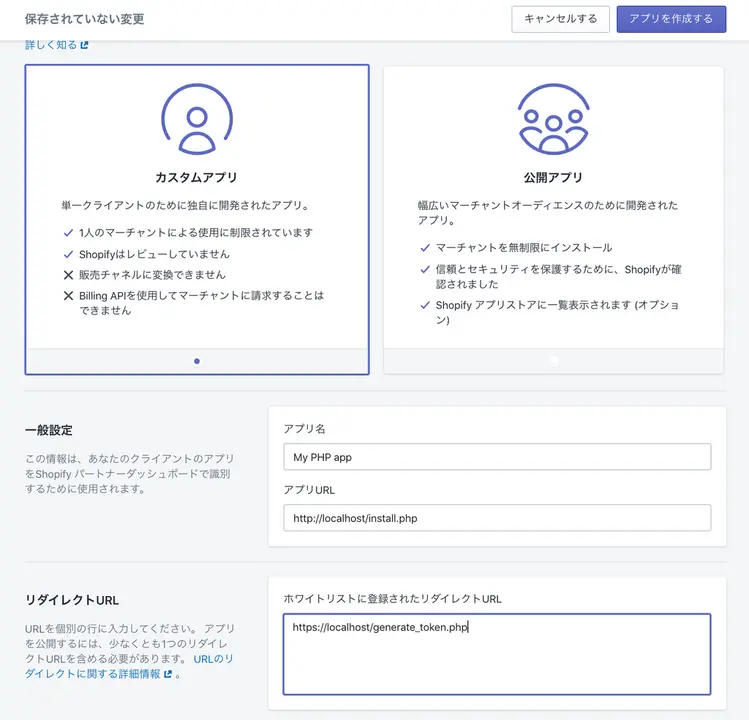
Many merchants need help to extend the functionality of their online stores. If you have an idea for an app that can help boost a merchant's sales, you might be able to make it happen by using the Shopify API. The API allows you to download the shop's product catalog, modify themes, and more.
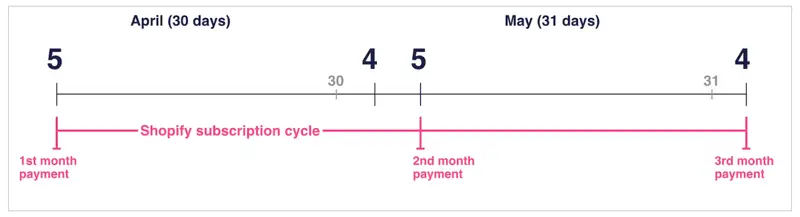
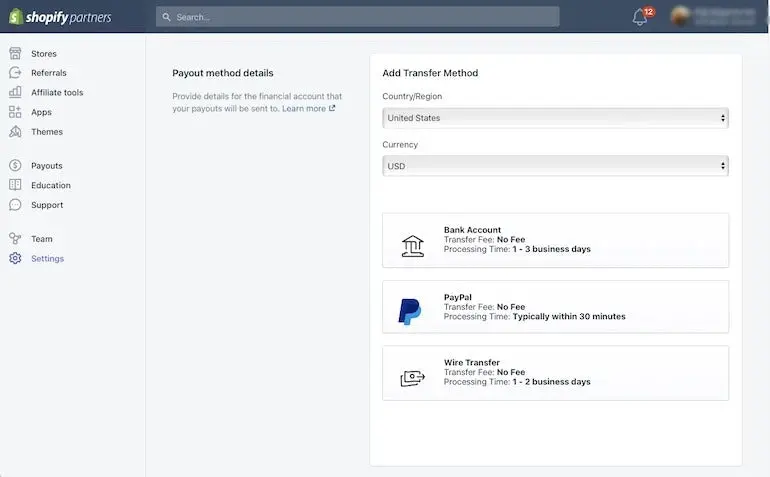
Starting in November 2021, a new payment method is available for all Shopify partners. This applies to app developers, theme developers, experts, affiliates, and agency partners.
Puzzlly, an online video learning service specializing in No-Code development operated by Tokyo Freelance, provides easy-to-understand tutorials on how to use No-Code tools, including Shopify. With the goal of creating a world where anyone can turn their ideas into reality, the service offers free tutorials on how to use these tools and is gaining popularity, primarily through social media.
The Shopify Partner of the Year award is given to companies that have demonstrated outstanding performance and reputation as Shopify partners. Currently, there are over several thousand Shopify partners in Japan, and they support merchants' businesses every day by developing groundbreaking solutions and providing unique services in all areas. There are mainly four types of partners: agency partners (store building partners), app development partners, theme development partners, and affiliate partners. These partners engage in businesses such as creating e-commerce sites, developing apps, customizing site designs, and promoting Shopify as an affiliate in media and other places.
 跨境独立站开店