跨境独立站开店
What is a WMS (Warehouse Management System)? A comparison of companies.
We examined the benefits and functions of implementing a Warehouse Management System (WMS) and compared different WMS systems.
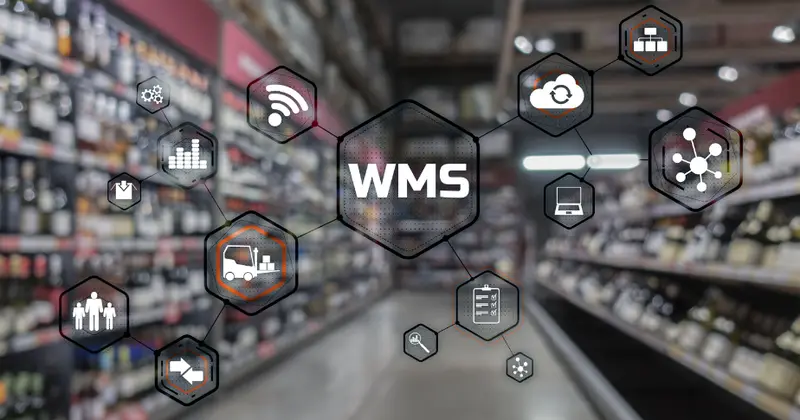






Warehouse management systems: their meaning and capabilities
A WMS (Warehouse Management System) is a system that centralizes and streamlines operations performed in a warehouse.
Main roles of warehouse management systems
Inventory Management: We manage data such as information on products scheduled to arrive, data at the time of arrival, and storage location. By checking for errors or shortages in the received products, we ensure that there are no discrepancies between the data-based inventory and the actual inventory.
Features required for a user-friendly warehouse management system
Barcode and RFID compatibility: Products can be read using barcodes and RFID, automating the collection of data for receiving, shipping, and inventory.
Types of warehouse management systems
Warehouse Management Systems (WMS) can be broadly categorized into two types: on-premise and cloud-based. Furthermore, some types integrate with ERP and SCM systems.