Collecting email addresses is only the first step. Whether pop-ups can be disabled on mobile devices, whether discount conditions are consistent, and whether the same address is added to the list repeatedly also affect the user experience.
A studio photograph can make three sizes of a pet bed look identical. An early Size Link example translated the measured length, width and height into a box that a shopper could view on a phone.
Merchants see a fulfillment dashboard while customers see email, an order page and sometimes an app. The original walkthrough examined how early versions of Shop linked package tracking with a route back to the store.
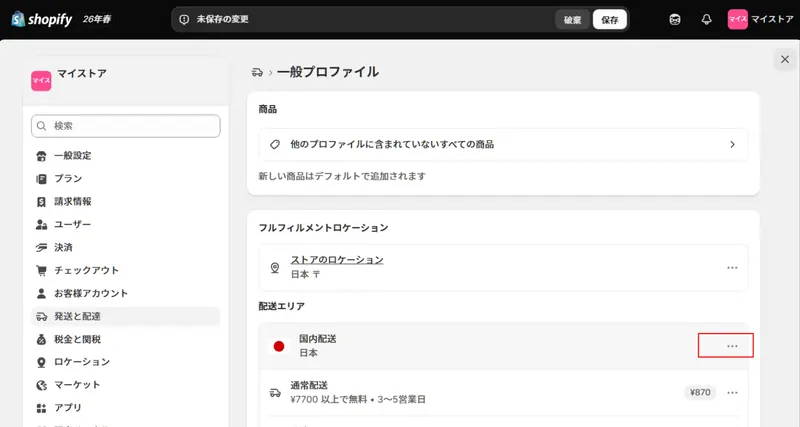
A shipping rule needs an eligible product set, a destination and an order condition. Goods shipped from different locations or by different methods may need separate treatment.
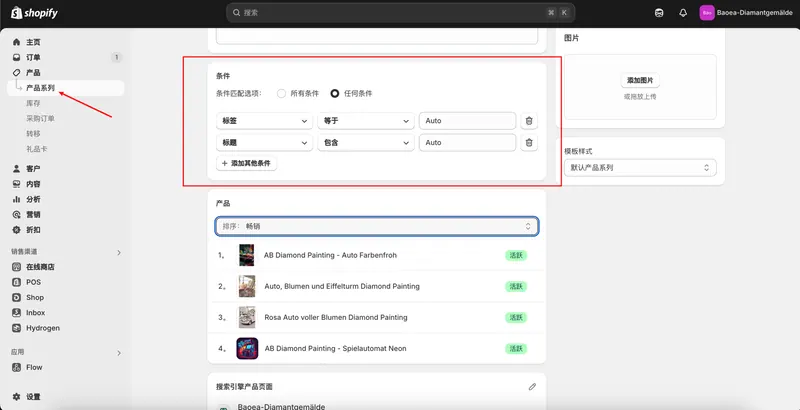
The same items can be grouped by material, use or audience. When two collections contain nearly identical selections, identify the separate buyer questions each page would answer before maintaining both.
A collection card often displays a single image. Choose a lead photo that identifies the item before adding alternative angles, a size reference and any demonstration media.
After saving shipping, returns and privacy policies, make sure shoppers can reach them along the buying journey. Give each page a clear footer label and verify that its link resolves to the store's current version.
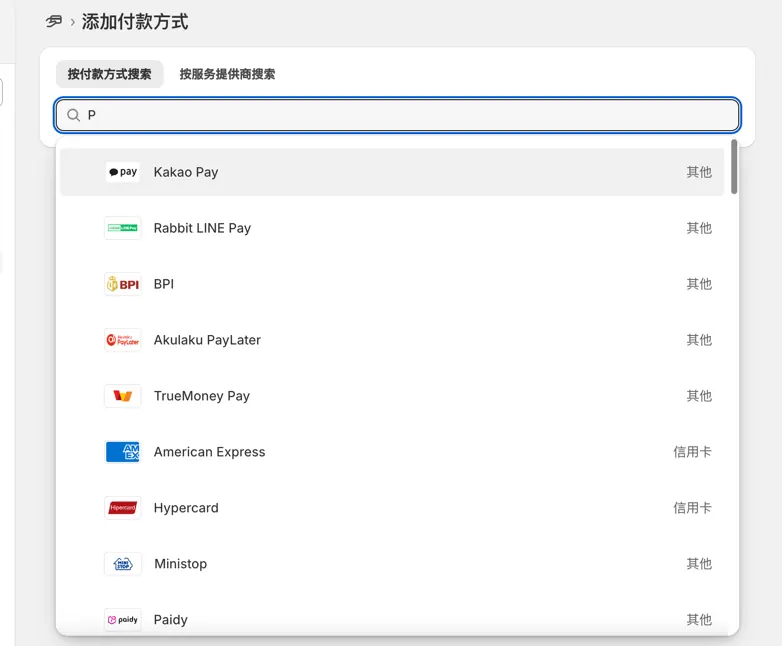
Online processors and cash on delivery follow different workflows. A processor normally requires a merchant account and settlement settings. Cash on delivery depends on the store's own collection and fulfillment arrangements.
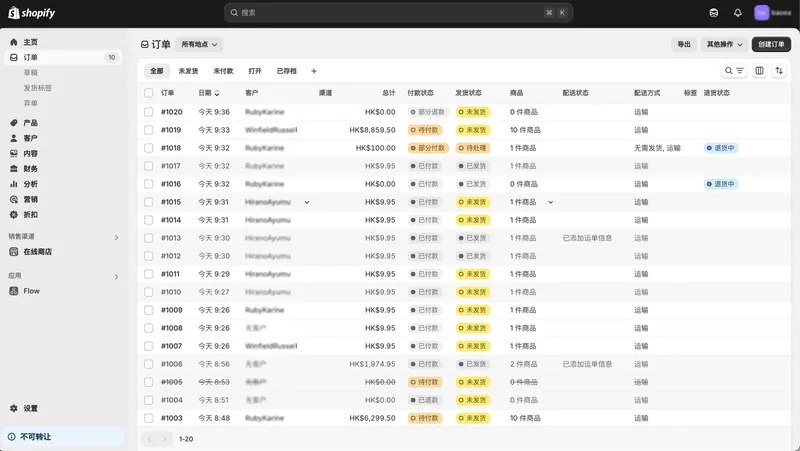
One order can have distinct payment, fulfillment and refund states. Start by checking the order reference, products, variants, quantities and amount actually collected.
Confirmation and shipping notices reach the buyer at different stages. Before editing a template, identify its trigger, recipients and sender details. Then revise the brand wording and support link.
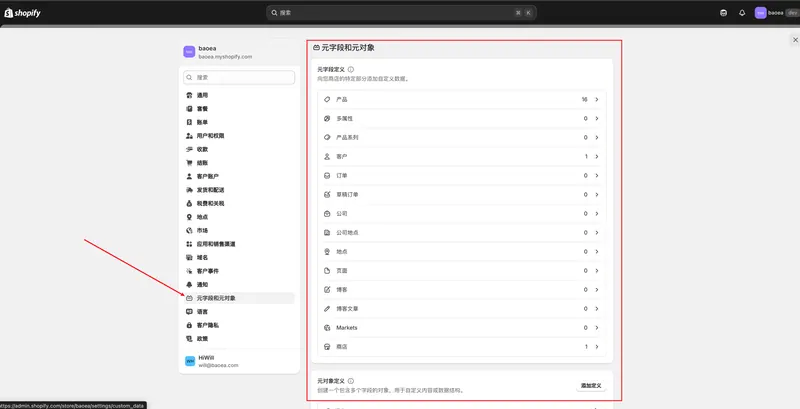
When every item in a category needs material and care details, shared metafield definitions make those values easier to maintain. The definition establishes the data type while each product supplies its own value.
Changing a domain affects storefront access and the relationship search engines see between old and new addresses. Before the move, collect representative home, product, collection and article URLs.
The Files area centralizes product imagery and images used in articles. For a bulk import, upload the media first and put the corresponding address on the correct product row.
A product page explains a specific item, while a blog can answer buying questions such as how two materials compare or how to choose a size. Group the terms customers actually use into topics before drafting posts.
A shopper arriving from an ad may never have visited the homepage. A product page audit starts with three questions: what is being sold, which variant is suitable and what happens after purchase.
A sitemap lists URLs a store would like search engines to discover. Before submission, verify the primary domain and confirm that the pages intended for search are publicly accessible.
A short ad has room for one audience, a recognizable situation and one claim that can be verified. A claim aimed at everyone leaves the product page with too much explaining to do.
Choose one fact a shopper should understand, such as how an item folds, what it holds or which task it performs. Use that objective to plan the shots, captions and final action.
A button, a block of text and a card background each serve a different purpose. A browser eyedropper can read a pixel value and turn scattered colors into a small working palette.
An older trend list featured items such as pet beds, sofa covers and beard styling accessories. The examples reflect the period in which the list was compiled. A new sourcing decision needs fresh checks for the target region and season.
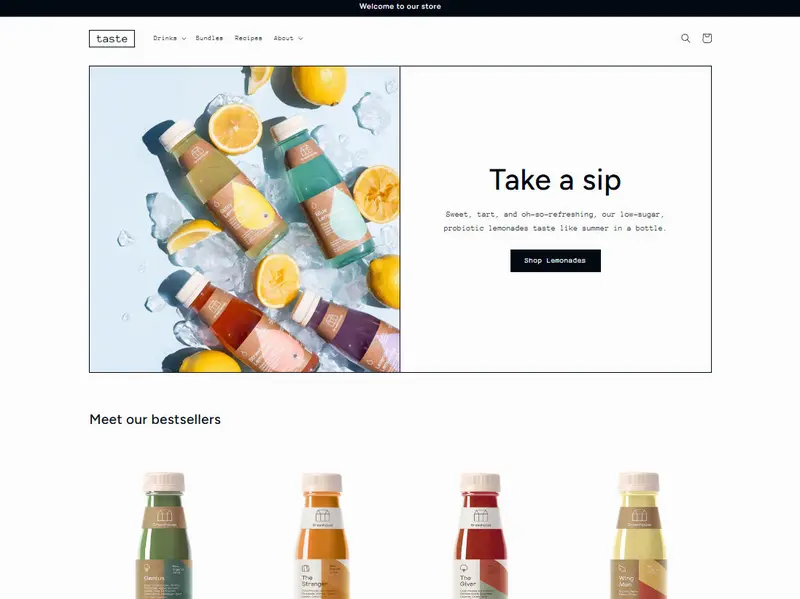
Taste is a free theme packed with features that help visitors make informed decisions, including the ability to enlarge product images and address frequently asked questions.
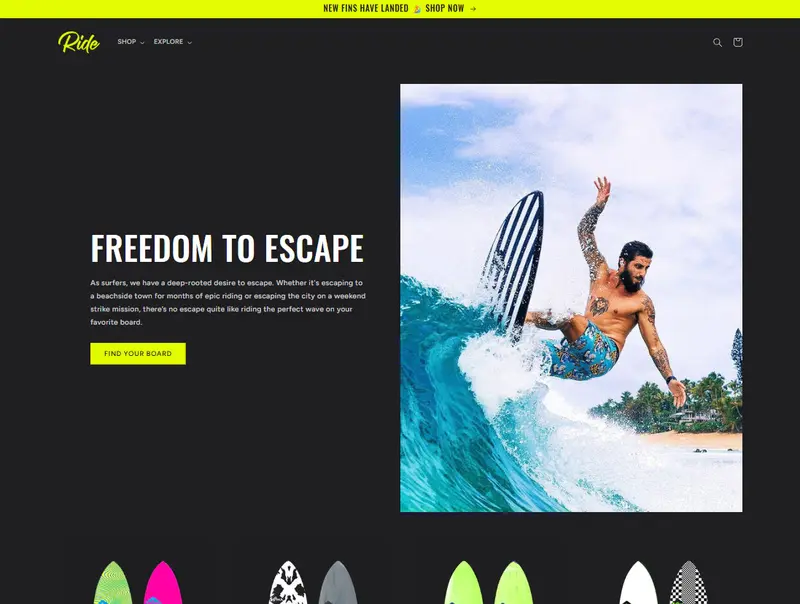
Ride is an ideal theme for selling sporting goods and other products, as its combination of a dark background and impactful colors makes products stand out.
 跨境独立站开店