跨境独立站开店
What is eco-packaging? ideas for differentiation
This article introduces what environmentally friendly eco-packaging is, along with ideas for eco-packaging design. There are many types of eco-packaging, from recycled materials to biodegradable packaging.
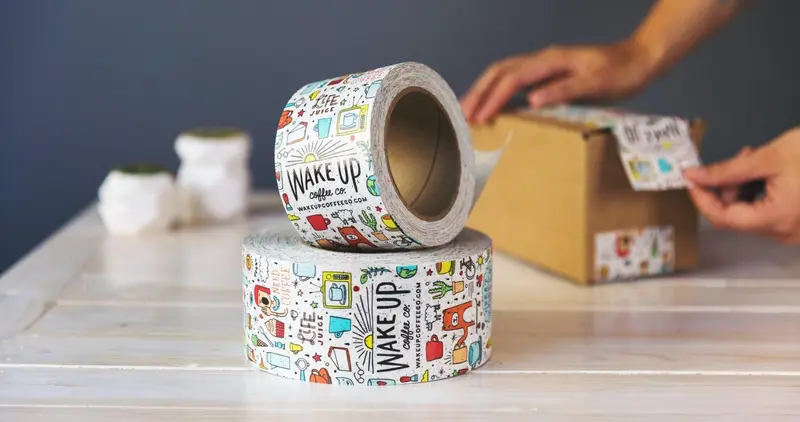




This article provides an overview of eco-packaging and 11 ideas.
In today's world, where sustainable practices that consider the environment and resources are demanded, the use of eco-packaging is spreading globally as part of environmentally friendly product use. Developing eco-friendly products and services not only contributes to reducing environmental impact, but is also effective in strengthening corporate branding and building trust with customers.
However, there may be some people who are interested in using eco-friendly packaging but haven't taken action because they can't actually come up with any eco-friendly packaging ideas.
This article will provide an overview of eco-friendly packaging and introduce 11 ideas. Please use it as a reference.
What is eco-packaging?
Eco-packaging refers to packaging and containers that have properties that reduce the burden on the environment.
Traditional product packaging, which often uses plastic materials, is not easily biodegradable and places a significant burden on the environment. Eco-packaging is attracting attention as an alternative. Eco-packaging uses materials such as bioplastics and non-wood paper, which contribute to reducing carbon dioxide emissions and waste. By actively using packaging made from these materials, or by adopting simple packaging or refillable packaging, it is possible to achieve packaging with a lower environmental impact than conventional methods.
Furthermore, companies that use environmentally friendly products, including eco-packaging, tend to be perceived as more trustworthy by consumers. In today's world, where environmental considerations, in addition to product functionality, are a key evaluation criterion, utilizing eco-packaging is an effective way to establish a brand identity that earns social trust.
11 Eco-Packaging Ideas
- Use compostable packaging materials.
- Utilizing non-wood paper
- Uses FSC-certified paper.
- Utilizing bioplastics
- Design reusable packaging.
- Adopt a single-material packaging.
- We strive for simple packaging.
- Make it refillable
- Utilize returnable packaging materials.
- Lighter and smaller
- Ship all items together.
1. Use compostable packaging materials.
By using compostable materials, packaging materials that would otherwise become waste can be repurposed as soil improvement materials or fertilizer.
Composting refers to the process of using microorganisms to decompose and ferment organic matter such as food waste, turning it into fertilizer. Before mass consumption and mass production became important and chemical fertilizers came into use, composting was commonly used for processing food waste and tilling fields, so it is by no means a new technology.
Currently, the use of compost is attracting attention both in Japan and internationally. In Tsushima City, Nagasaki Prefecture, and Nishiizu Town, Shizuoka Prefecture, a compost promotion project called the "ALL COMPOST PROJECT" has been implemented. Following the initiative in Osaki Town, Kagoshima Prefecture, which boasts the highest recycling rate in Japan, the activities are spreading beyond prefectures. As examples of compost utilization increase in this way, it is expected that the development of eco-packaging using compostable materials will also progress further in the future.
2. Utilize non-wood paper.
The use of non-wood paper contributes to the conservation of forest environments and the reduction of carbon dioxide emissions during manufacturing. Non-wood paper is made from resources other than wood and agricultural by-products, and the following effects can also be expected:
- Kenaf pulp: A fiber derived from the kenaf plant. Kenaf has a high capacity to absorb carbon dioxide, and its short harvest cycle ensures a stable supply.
- Bagasse pulp: A by-product remaining after sugarcane juice extraction. It contributes to the efficient use of resources and waste reduction.
- Bamboo pulp: Bamboo cultivation does not require pesticides or fertilizers, and harvesting it does not significantly degrade the soil.
Non-wood papers are characterized by their unique textures and feel. By utilizing these individual characteristics in business cards, message cards, and product tags included with products, you can reflect your brand's worldview while conveying your company's commitment to environmental responsibility. However, some types have issues with color reproduction and ink drying time, so it is necessary to choose the type according to the intended use.
3. Use FSC-certified paper.
Using FSC-certified paper for packaging not only contributes to environmental protection but also enhances the brand image.
FSC-certified paper is paper made from wood that has been properly managed and produced according to standards set by the FSC (Forest Stewardship Council), an international non-profit organization. To obtain the certification mark, a management system that meets FSC requirements must be established at all stages of production, processing, and distribution of the product, and the product must pass an audit by a third-party certification body.
Using packaging materials with certification marks not only contributes to forest conservation and the preservation of the global environment, but also demonstrates a serious commitment to environmental issues to customers, thus serving as a valuable part of your brand strategy. A variety of types are available, from standard high-quality paper to art paper and coated paper, allowing you to choose the type that best suits your needs.
For example, TOPPAN Edge offers a variety of products using FSC-certified paper, including invoices, brochures, and direct mail. They also sell "Wanpa☆Kumeeru" ECO, a plastic-free envelope made from FSC-certified paper, which is a good example of eco-packaging.
4. Utilize bioplastics
By utilizing bioplastics, we can aim to reduce the consumption of petroleum-derived resources, decrease carbon dioxide emissions, and curb environmental pollution caused by plastic waste.
Bioplastics are a general term for biomass plastics, which are manufactured from biologically derived raw materials, and biodegradable plastics, which are broken down into water and carbon dioxide by microorganisms. Demand for them is increasing as an alternative to petroleum-derived plastics.
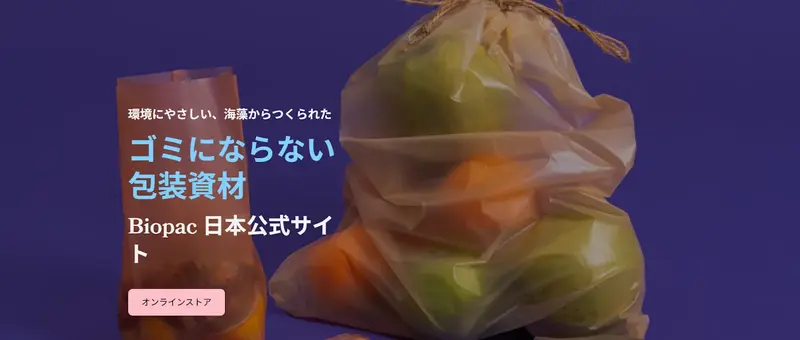
Recently, eco-friendly packaging made from seaweed, such as BIOPAC, has emerged. Seaweed-derived eco-packaging offers the following advantages:
- By being consumed by people, it helps reduce waste.
- Since the fish are also edible, it does not cause marine pollution.
- It can be decomposed in the soil by microorganisms.
- We can contribute to reducing carbon emissions through seaweed cultivation.
- Because it does not contain allergens or animal products, it is an easy choice for people with allergies or vegans.
By switching from conventional plastic packaging materials such as cushioning materials and packaging bags to bioplastic products, it is possible to reduce the environmental impact while maintaining the same packaging function.
5. Design reusable packaging.
Designing eco-friendly packaging so that it can be reused in other ways, thus reducing waste, is one way to contribute to environmental conservation.
For businesses that sell online, there's a possibility that their packaging can be reused as storage boxes by incorporating various innovations, such as using boxes that combine design and durability, or using rubber bands or ribbons instead of stickers to secure the boxes and avoid leaving sticker residue.
6. Adopt a single-material packaging.
Adopting eco-friendly packaging made from a single material is also an effective way to promote sustainability.
When multiple types of materials are used in packaging, sorting waste and resources becomes time-consuming, and even recyclable materials may end up being disposed of together as waste. Packaging made from a single material eliminates the need to sort materials separately, thus promoting recycling. This can be considered a method that contributes to waste reduction and the efficient use of resources.
7. Use simple packaging.
Simple packaging not only reduces resource waste but can also be expected to have cost-saving effects.
Simple packaging is a method of packaging that avoids excessive packaging and uses only the minimum necessary materials and packaging. By not using unnecessary materials, it leads to a reduction in waste and a decrease in carbon dioxide emissions during waste incineration. In addition, it reduces packaging costs and the effort required for waste sorting, so it benefits both e-commerce businesses and consumers.
Simple packaging can be done in the following ways:
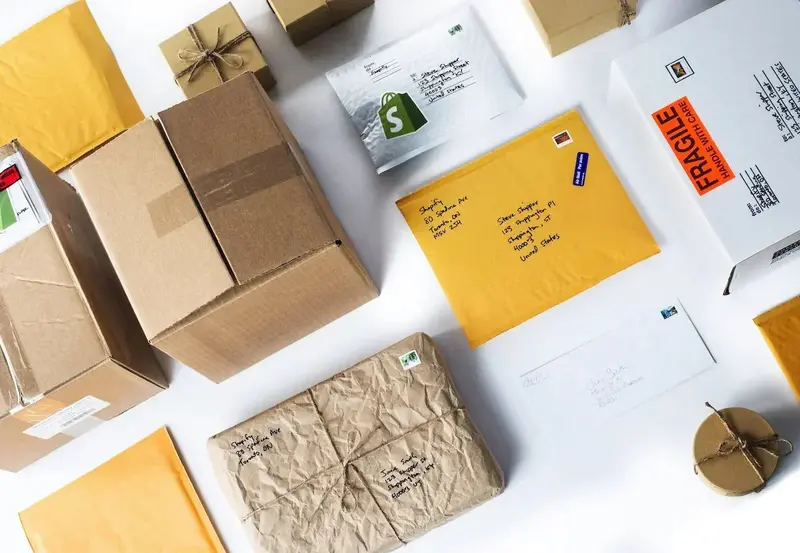
- Wrap it in bubble wrap and seal it with tape.
- Wrap the product in kraft paper and tie it with string.
- Secure the product with stretch film.
- Use Amazon's frustration-free packaging.
Panasonic is working on simplified packaging by using single-color ink for shipping cardboard boxes for home appliances and switching cushioning materials to recyclable paper materials such as folded cardboard and pulp molds.
8. Make it refillable.
By making containers for shampoo, body wash, detergent, and other products refillable, we can reduce resource consumption.
Making products refillable and reusable extends the lifespan of the packaging and is expected to reduce waste. It also reduces the number of packages produced, thus lowering carbon dioxide emissions and energy consumption during the manufacturing process.
Furthermore, refillable packaging reduces manufacturing costs, which allows for the sale of products to consumers at more affordable prices.
9. Utilize returnable packaging materials.
By using reusable packaging materials, we can not only reduce resource waste but also expand our reach to consumers who support sustainable practices.
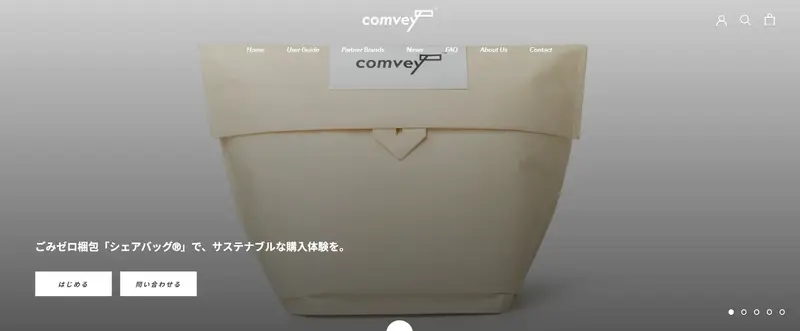
A returnable product is a product designed to be collected, cleaned, and reused after being sold or used. While disposable packaging materials have been the norm until now, a company has emerged that provides returnable packaging materials for e-commerce site operators. ShareBag®, offered by Comvey Co., Ltd., is a packaging bag that can be returned simply by dropping it in a mailbox after receiving the package. Comvey's unique system has been implemented in the online shops of partner brands, and customers can choose between regular packaging and ShareBag when paying in their shopping cart. This gives consumers peace of mind as they can choose their preferred packaging method, and there is also the benefit of receiving a coupon after returning the ShareBag.
With the growing demand for environmentally friendly products and services, utilizing such services to operate an online shop will likely lead to increased consumer trust and improved brand loyalty.
10. Make it lighter and smaller
Many companies are implementing environmentally friendly practices, such as reducing the weight and size of packaging. Transporting goods in a smaller, lighter form allows for the transport of more goods in a single trip, leading to improved transportation efficiency and reduced fuel consumption and carbon dioxide emissions during transport.
Furthermore, reducing packaging size helps to conserve materials, leading to lower packaging costs and waste.
11. Ship items together.
By consolidating shipments and reducing the number of deliveries compared to traditional methods, we can contribute to reducing carbon dioxide emissions. Furthermore, consolidating shipments can sometimes reduce the use of packaging materials, making it effective in reducing waste as well.
For example, offering discounts or coupons to customers who agree to combined shipping can help gain customer understanding and support for the combined shipping initiative.
Using eco-friendly packaging not only contributes to environmental conservation, but is also highly effective in gaining customer trust in today's world where initiatives such as SDGs are considered important.
The idea of eco-packaging isn't limited to using environmentally friendly materials such as FSC-certified paper or bioplastics. Utilizing reusable packaging designs, simplifying packaging, and reducing the weight and size of packages are also ways to implement eco-packaging.
Since there are many eco-packaging options available, please try implementing the method that is easiest for you to adopt.
FAQ
What is eco-packaging?
Eco-packaging refers to packaging and containers that have properties that reduce the burden on the environment. Amidst the growing global efforts toward SDGs and carbon neutrality, eco-packaging is attracting attention as it allows for reduce, reuse, recycle, and replace, and is a part of environmental protection.
What are some ideas for eco-friendly packaging?
Why is eco-friendly packaging important?
Eco-packaging is important to reduce the environmental impact of conventional packaging. Traditional plastic packaging is not easily biodegradable and can cause marine pollution if not properly disposed of. Furthermore, because plastic is made from petroleum, incineration releases carbon dioxide, which can contribute to global warming. Replacing conventional packaging with sustainable alternatives can prevent these problems and contribute to environmental protection.
What are the advantages of using eco-friendly packaging?
- Contributing to environmental conservation
- It can enhance a company's brand value.
- This leads to reduced packaging costs and increased efficiency in packaging operations.
- Improved reputation among investors and business partners
Share this article
- Share on Facebook
- Share on X
- Share on LinkedIn