跨境独立站开店
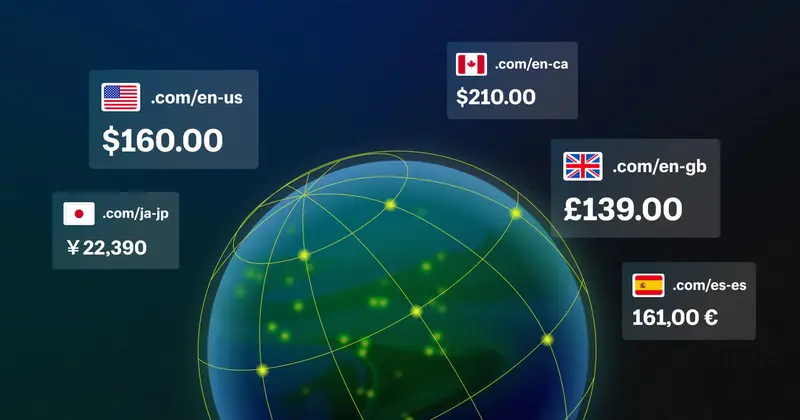
Shopify Markets Multi-Market Pricing and Localization: Clean up the pricing first, then talk about translation.
A practical guide to Shopify Markets for cross-border independent websites. It explains the market grouping logic, the selection criteria for automatic conversion versus manual pricing in the price list, how to set price rounding rules, how to incorporate tariffs into managed market adaptive pricing, and the decision-making process for subfolders, subdomains, and independent stores.

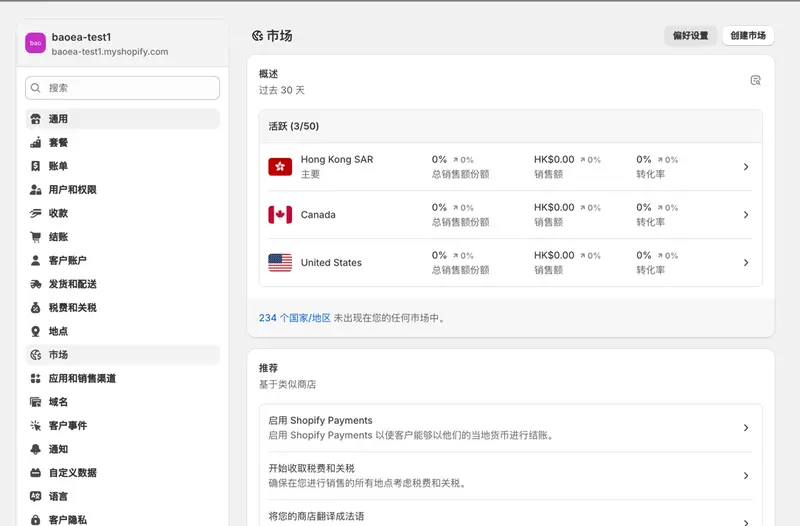
I. Market grouping: Based on pricing logic, not geographical location.
The most common mistake beginners make is building markets by continent ("Europe" "Asia"), resulting in a market that includes countries with completely different purchasing power and tax systems, making any pricing incorrect.
II. Automatic Conversion or Price List: These are Two Pricing Philosophies
Red line: Do not use theme code or third-party apps to perform "display price conversion" outside of Markets. That approach only changes the presentation; it will redirect to the base currency at checkout, directly killing conversion rates.
III. Rounding Rules: This step offers the best cost-effectiveness.
The automatically calculated €27.43 and the rounded €27.99 differ by a few cents in cost, but in terms of perceived quality. Shopify's rounding rules are set in the currency settings of Markets and apply on a currency-by-currency basis.
IV. Managed Markets: Incorporating tariffs into prices
The biggest cost change for cross-border e-commerce in 2026 is tariffs—the US $800 duty-free allowance has been suspended indefinitely, and the EU's €150 tariff exemption was also cancelled on July 1, 2026. This brings a new problem: if tariffs only appear as an additional line on the checkout page, conversion rates will drop.