跨境独立站开店
What is e-commerce logistics? An explanation of its mechanisms, challenges, and improvement methods.
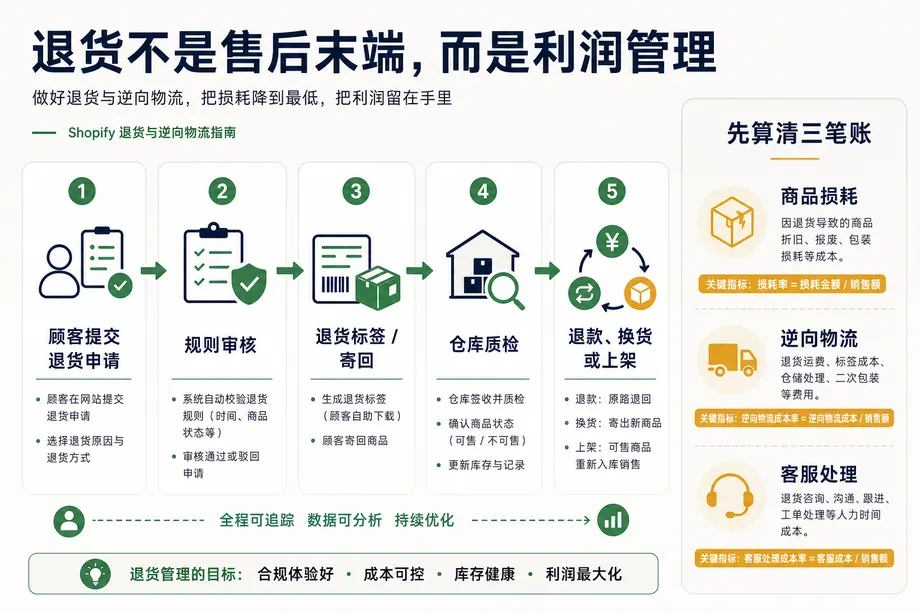
E-commerce logistics refers to the entire process of logistical management, from order placement to delivery and returns. This section outlines the workflow, challenges, and solutions for achieving efficient e-commerce logistics.



What is e-commerce logistics?
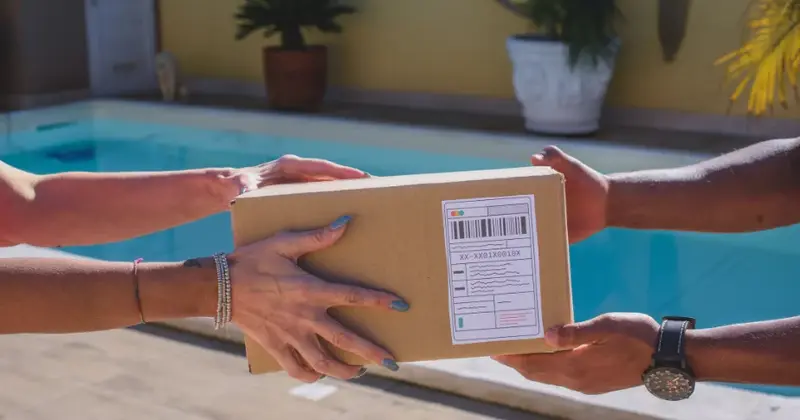
E-commerce logistics refers to the entire process in e-commerce, from receiving, packaging, and shipping goods to handling returns. It is also called order fulfillment. In e-commerce, orders come from a large number of individuals, so a characteristic feature is that there are many small-lot deliveries with small order quantities per order.
1. Receiving and Inspection
When goods arrive from suppliers such as wholesalers and manufacturers, we perform an inspection to check the type, quantity, and whether there is any damage. As the number of products handled and the frequency of deliveries increase, the likelihood of errors increases, so careful and meticulous work is required.
2. Storage (shelving)
After inspection, products are stored on designated shelves. To reduce the time spent searching for products during shipping, it's important to arrange them with traffic flow in mind. For example, older products can be placed at the front, while popular items are placed in easily accessible locations.
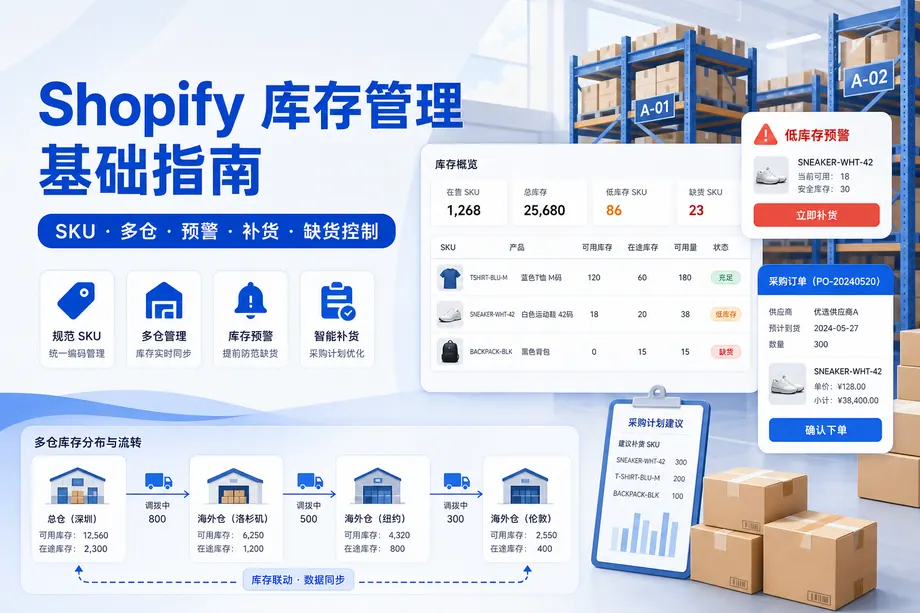
3. Management (Inventory)
Inventory taking is the process of checking the stock status and quality of goods. It is often done regularly, such as monthly or quarterly, and mainly involves checking the following items: