跨境独立站开店
What is reverse logistics (venous logistics)? Streamlining the return process.
This article explains what reverse logistics is and how it should be implemented. Consider the benefits and challenges of implementing it, as well as the option of outsourcing, to review your company's return operations.




Reverse logistics (venous logistics) is
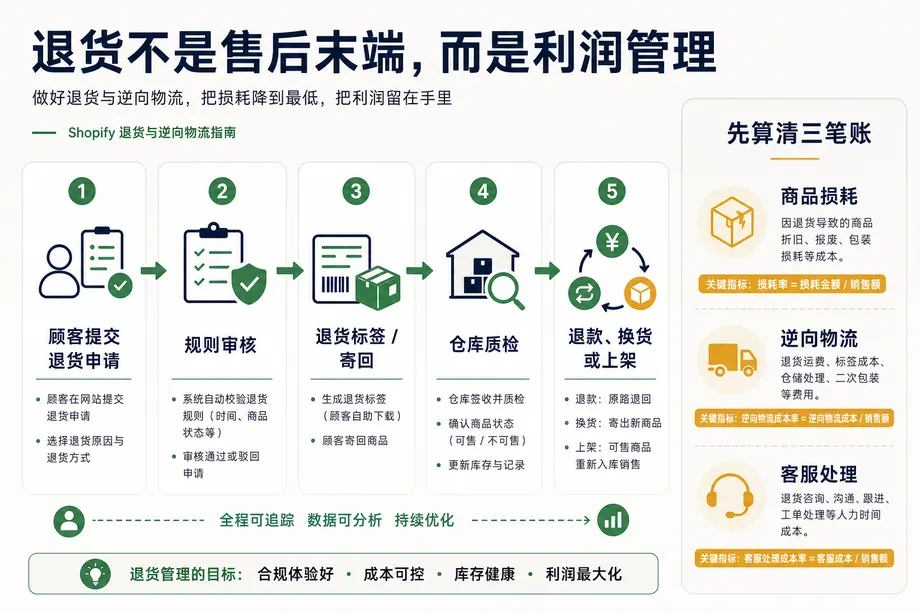
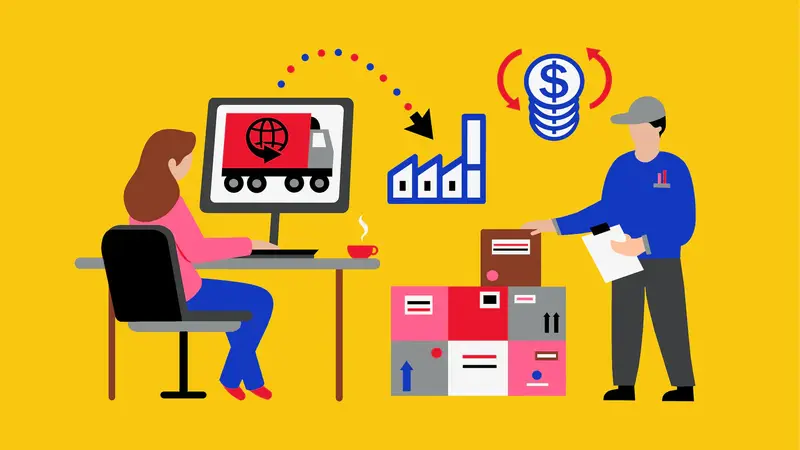
Reverse logistics refers to a system of reverse logistics that involves collecting goods returned from consumers to businesses (producers and retailers) and using them for resale, repair, reuse, or recycling.
Difference from logistics (arterial logistics)
Logistics (arterial logistics) refers to the entire process from a company to the consumer, from order placement to delivery. In e-commerce logistics, the main objective is to efficiently supply goods by managing the entire fulfillment process, including order placement and delivery, and optimizing inventory management, transportation, and sales. It also plays a crucial role in optimizing the entire supply chain, including procurement from suppliers.
The Importance of Reverse Logistics
Reverse logistics is gaining importance because it transforms returns, collections, and waste—which were previously treated as costs—into new value through resale, reuse, and recycling. Returned goods, which were traditionally simply disposed of, can now be monetized through resale or parts reuse, leading to a reduction in disposal costs.
Benefits of implementing reverse logistics
Improving customer satisfaction and loyalty: Providing a smooth return experience, including prompt refund processing and transparent progress tracking, increases trust and leads to increased repeat purchases and customer loyalty.