跨境独立站开店
What is reverse importing? Dropshipping on e-commerce sites: Benefits and target products.
Reverse import dropshipping is the reverse of the traditional dropshipping system. By focusing on reverse import products, you can enter a niche market and avoid competition.


Reverse import dropshipping is the reverse of the traditional dropshipping system. By focusing on reverse import products, you can enter a niche market and avoid competition.
It's not uncommon for goods to be distributed from Asia to North America. For example, in traditional dropshipping, products sourced from manufacturers in China are sold and shipped across the Pacific Ocean to customers in North America.
However, there is also a unique business model called reverse import dropshipping. In this model, goods flow in the opposite direction, targeting emerging markets.
If you have access to reliable suppliers and can run an online store that appeals particularly to the Chinese market, the reverse import dropshipping business could be a great opportunity. Here's how reverse import dropshipping works.
What is reverse import dropshipping?
Reverse import dropshipping is a retail method in which goods are sourced from countries with less developed manufacturing sectors and then sold to consumers in countries with more developed manufacturing sectors.
Reverse import dropshipping reverses the traditional dropshipping model, which involves sourcing low-cost goods from countries like China and selling them to consumers in the US and other countries. There are significant differences between standard dropshipping and reverse import dropshipping. Reverse import dropshipping products are typically high-quality goods sold at a premium price. Wealthy overseas buyers prioritize superior product quality and therefore source from global markets.
In contrast, traditional dropshipping typically involves brands selling products at affordable prices. While quality is important in traditional dropshipping businesses, unit price, shipping costs, and reliability often take precedence.
The mechanism of reverse import dropshipping
- The dropshipping seller selects the products.
- Dropshippers find reliable suppliers
- Customers purchase online
- Dropshipping partner submits order
- The product has been shipped and cleared customs.
Reverse import dropshipping follows the same logistics steps as traditional dropshipping. The process is as follows:
1. The dropshipping seller selects the products.
First, a reverse import dropshipper decides which products they want to sell. In reverse import dropshipping, sellers focus on high-quality products, especially luxury brand items that are difficult to find in their target market.
These high-value goods often come from countries that produce premium goods, such as the United States, Japan, and Canada. Reverse import dropshippers can capitalize on the demand for high-quality goods and often sell them at high profit margins.
2. Dropshippers find reliable suppliers
A highly reliable dropshipping supplier is essential for the success of a reverse import dropshipping business. Similar to traditional dropshipping, the supplier stores inventory and fulfills orders. However, what differentiates this from traditional dropshipping is the dealing with premium goods. Therefore, building relationships with trustworthy brands and artisans is crucial.
3. Customers make online purchases.
Once you've secured high-quality products and reliable suppliers to sell online, it's time to start selling your goods through your reverse import dropshipping website. The key to reverse import dropshipping is to be mindful of your target audience—people who value brand recognition and consistent product quality.
4. The dropshipping partner submits the order.
Customers purchase reverse-imported dropshipping goods in the same way they would purchase goods on any other e-commerce site. However, behind the scenes, the fulfillment process is different.
When a customer places an order, the seller forwards the details to the supplier, who then ships the goods directly from the country of origin to the customer. This direct shipping model eliminates the need for sellers to maintain inventory, reducing initial costs and risks.
5. The goods are shipped and clear customs.
Reverse import dropshipping suppliers ship goods across international borders. This involves complex logistics such as international shipping and customs procedures.
Sellers must comply with the export regulations of the supplier's country and the import regulations of the target market. They must obtain the necessary permits, pay customs duties, and ensure that the goods meet local standards. This is one of the most challenging aspects of reverse import dropshipping, which is why a premium price is required.
Start international sales in minutes on a controlled marketplace.
With a managed marketplace, you can sell in over 150 countries and expand your business internationally from a single Shopify store. We provide tools to manage store localization, collect customs duties in advance, simplify customs documentation, and ensure fast shipping times.
Discover controlled markets
What is the difference between dropshipping and reverse import dropshipping?
Dropshipping and reverse import dropshipping share the commonality that the seller is not the entity responsible for fulfilling the order. However, there are clear differences between the two.
dropshipping
Focusing on affordability and convenience, dropshipping sources low-cost goods (typically from countries like China) and sells them to consumers in high-income markets.
Reverse import dropshipping
Reverse import dropshipping reverses this model, sourcing high-quality goods, especially premium products from developed countries such as the United States, Canada, and Japan, and selling these premium products to consumers in emerging markets where they are not readily available.
The main differences lie in the type of product and the target market. Dropshipping prioritizes cost efficiency, while reverse import dropshipping focuses on uniqueness and quality. However, both prioritize reliable delivery and customer satisfaction.
Advantages of reverse import dropshipping
- Access to niche markets
- Low competition
- Perceived Value
- Customer loyalty
Reverse import dropshipping offers several advantages to e-commerce entrepreneurs who are adept at finding reliable suppliers. The benefits of reverse import dropshipping are as follows:
Reverse import dropshippers can create a market niche and potentially achieve high profit margins by selling products that are not readily available in their target market.
The reverse import dropshipping model often sees less competition compared to traditional dropshipping because it targets premium products. For example, there may be hundreds of dropshippers offering affordable smart home devices (such as Wi-Fi plugs), but only a few reverse import dropshippers offering organic beauty products from France.
For certain items, some countries have a reputation for quality. For example, French wines and perfumes, or Korean skincare products. By dropshipping these items, you can expect to get a good price.
The unique nature of reverse import dropshipping means that providing excellent customer service and striving to exceed customer expectations increases the potential for customer loyalty. This is in contrast to traditional dropshipping where many suppliers sell the same products.
Disadvantages of reverse import dropshipping
- High shipping costs
- Customs clearance and regulations
- Supplier reliability
- Learning curve
Reverse import dropshipping has both advantages and disadvantages.
Reverse import dropshipping requires shipping goods worldwide. International shipping can be expensive, especially for heavy or bulky items, which can impact profit margins.
Dealing with international customs and regulations can lead to delays and additional costs. You will also need to learn about local laws regarding dropshipping. It's crucial to research whether reverse import dropshipping is legal in your target country and to be fully prepared.
Take your time when searching for a reliable supplier. If a supplier compromises on quality or delays shipping, it can negatively impact your customer service as a seller. It may be wiser to build strong relationships with reliable suppliers rather than constantly switching between different overseas suppliers.
Not being able to speak the target country's language or not knowing its culture can be a major obstacle. Market research should include cultural exploration, and it's necessary to build an e-commerce store in a language that the target customers understand.
Six popular products for reverse import dropshipping
- Beauty and skincare products
- health supplements
- High Fashion
- Premium Pet Supplies
- technology
- Home decor items
To succeed in reverse import dropshipping, it's crucial to leverage its unique market demand. Instead of trying to sell common goods at the lowest price, you're aiming to sell premium products to customers who wouldn't otherwise have access. Below are six popular product categories for reverse import dropshippers.
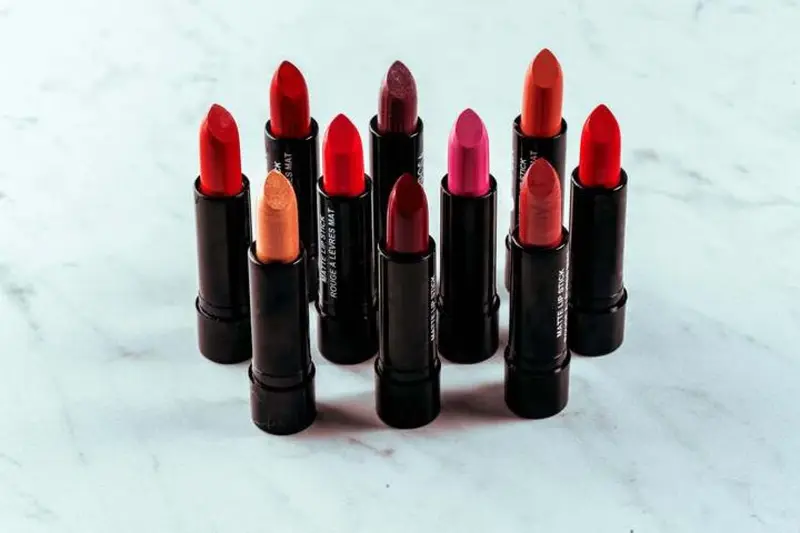
1. Beauty and skincare products
There is a huge global market for luxury cosmetics, organic skincare, and high-end beauty products from countries such as South Korea, France, and the United States. While these products are readily available in developed countries, they are difficult to obtain in developing countries. Reverse import dropshipping provides a way for customers worldwide to access these products.
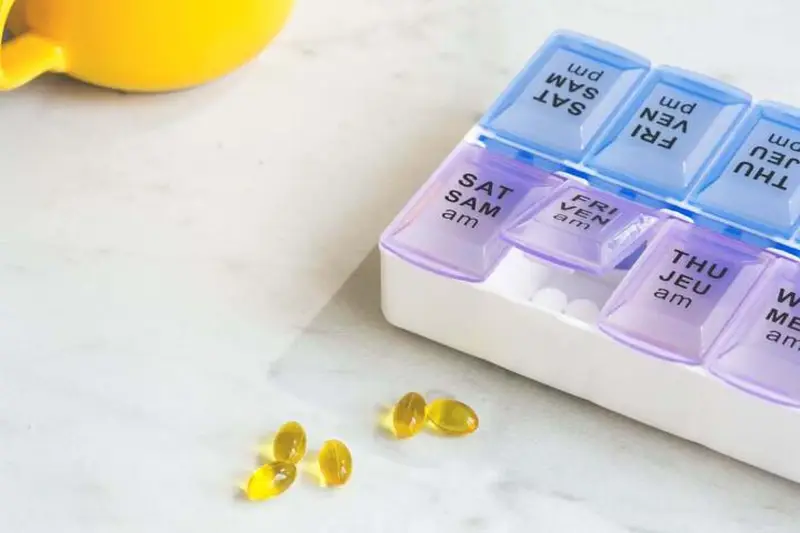
2. Health supplements
Finding dietary supplements, vitamins, and wellness products with ingredients listed on the label can be difficult. Customers worldwide may be willing to pay a premium for supplements manufactured in countries with strict health regulations, such as the United States and Canada.
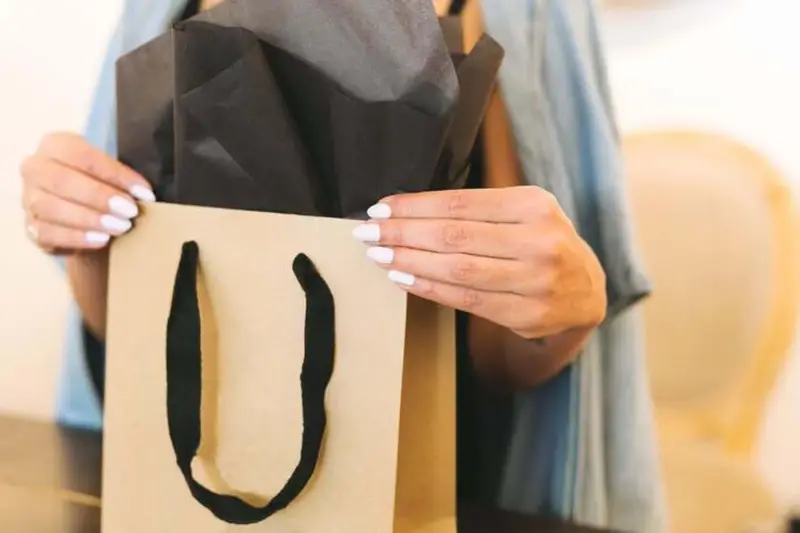
3. High Fashion
Designer clothing, luxury brands, and unique fashion items are in high demand. Items from Europe and America, in particular, appeal to global consumers seeking individuality and status symbols.
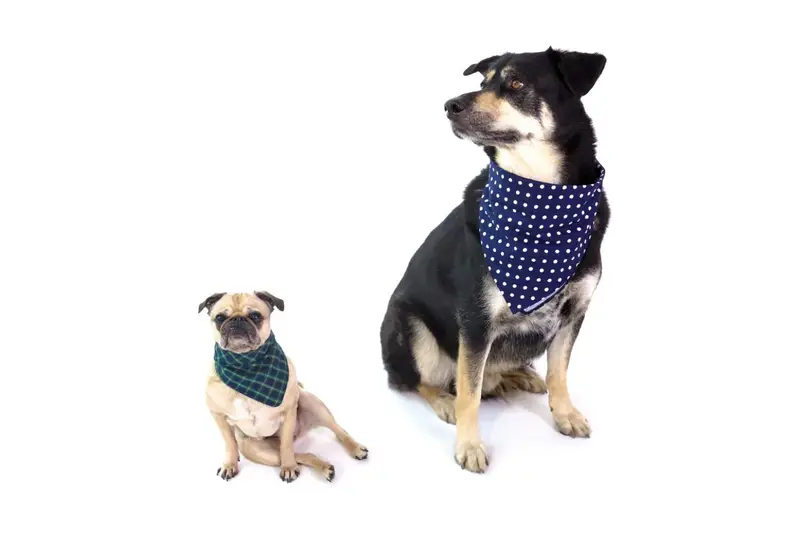
4. Premium Pet Supplies
Many pet owners are willing to spend a lot of money on their beloved pets. High-quality pet food, organic grooming products, and innovative pet accessories are typical examples.
5. Technology
Some people want cutting-edge electronics, smart home devices, and unique technology accessories, but lack the means to acquire them. Reverse import dropshippers can be a good way to reach technology enthusiasts in emerging markets.
6. Home decor items
High-quality, handcrafted household goods, luxury bedding, and designer furniture have a strong global market. Reverse import dropshipping allows you to sell these items to such regions.
How to start reverse import dropshipping
- Know your target market
- Building relationships with suppliers
- Master international logistics
- Marketing Optimization
- Set the price of the product correctly.
- Comply with local laws and regulations.
The key points for success with reverse import dropshipping are as follows:
1. Understand your target market.
We conduct market research to identify where there is demand for high-end or unique products from high-income countries. The B2B model involves selling premium products to retailers and wholesalers in emerging markets. The DTC model involves reaching individual consumers directly through online platforms, offering luxury goods that are not readily available locally.
2. Build relationships with suppliers
If you choose the B2B route, you will need to enter into long-term contracts with manufacturers and wholesalers to ensure a stable supply. For the DTC model, you will need to find suppliers who offer direct fulfillment and maintain high-quality standards. Because consumer expectations for premium goods are usually high, suppliers must excel in quality control and inventory management.
3. Master international logistics
Shipping premium goods from developed countries to emerging markets requires handling complex logistics. For B2B transactions, establish a system capable of handling large-volume shipments while complying with import and export regulations. In a DTC (Direct-to-Consumer) model, prioritize a smooth delivery experience for each customer, clearly communicating estimated shipping times and customs information in advance.
4. Optimize Marketing
B2B reverse import dropshippers can leverage trade shows, industry networks, and targeted advertising to connect with wholesalers and retailers handling premium goods. DTC reverse import dropshipping involves investing in digital marketing strategies, such as social media advertising and influencer partnerships. A compelling brand story can attract affluent consumers.
5. Set the product price correctly.
The pricing for reverse import dropshipping should reflect the uniqueness and quality of the product. In B2B, offer wholesale discounts but maintain a margin to cover international shipping and logistics costs. For DTC, reflect shipping costs, customs duties, and the perceived luxury of the product in the price.
6. Comply with local laws and regulations.
Whether direct-to-consumer (DTC) or business-to-business (B2B), ensure your operations comply with local health, safety, and consumer protection laws. Import or export certifications may be required at various stages of the implementation process. Ensure your team adheres to these requirements to minimize delays.
FAQs about reverse import dropshipping
Who is the target audience for reverse import dropshipping?
The target audience for reverse import dropshipping is consumers in emerging markets who seek high-quality, luxury, or exclusive goods from high-income countries.
What is the best platform for reverse import dropshipping?
For successful reverse import dropshipping, a robust platform is essential, offering powerful tools for international e-commerce, payment processing, and supplier relationship building. Shopify can meet those needs.
Share this article
- Share on Facebook
- Share on X
- Share on LinkedIn