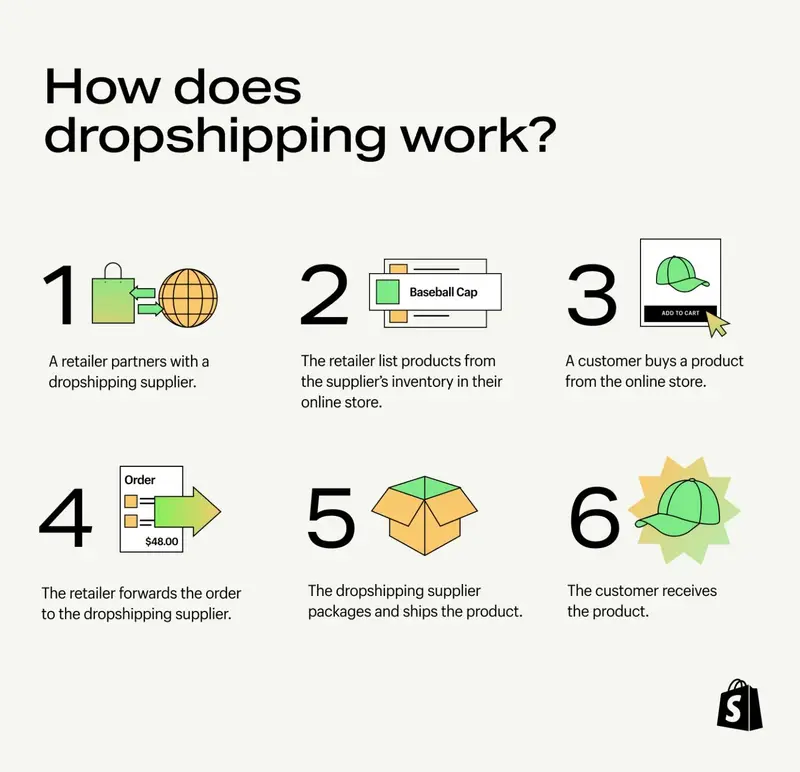
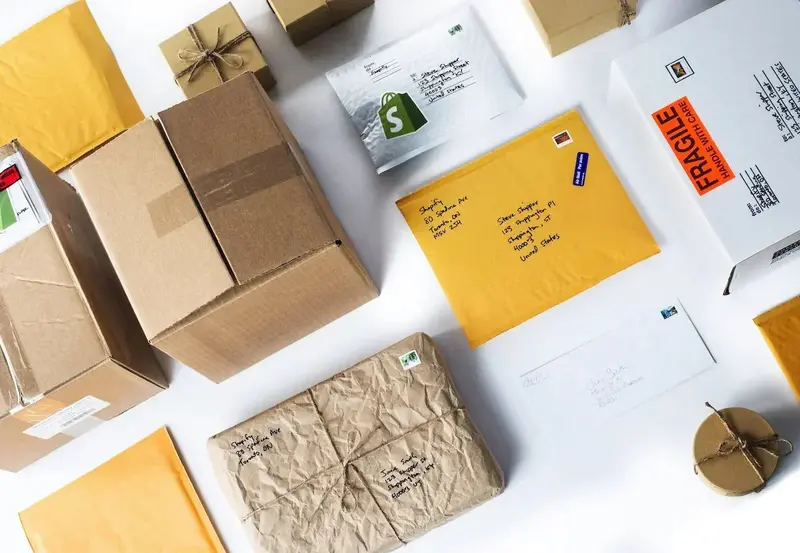
Dropshipping refers to a business that does not hold inventory of the products it sells. When a dropshipping business makes a sale, it outsources packaging and shipping to a third-party fulfillment service that then ships the goods to the customer.
manufacturer
Manufacturers produce products, but the vast majority do not sell them directly to retailers or consumers. Instead, they sell them in bulk to suppliers.
Dropshipping Supplier
Suppliers purchase products in bulk from manufacturers, add a profit margin, and resell them to retailers.
retailer
A retailer is someone who sells products directly to consumers. If you run a business that fulfills orders through dropshipping suppliers, you are a retailer.
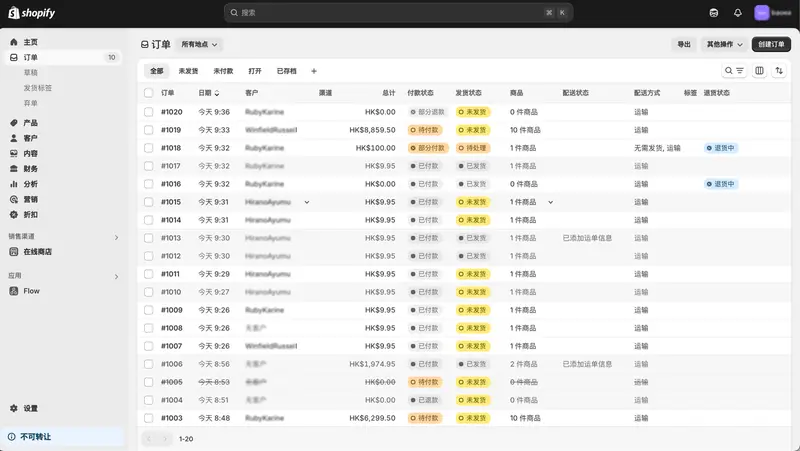
An order may have been paid for but not yet shipped, or it may have only been partially fulfilled. Recording the financial and logistical status separately makes it easier to pinpoint the problem when customers inquire.
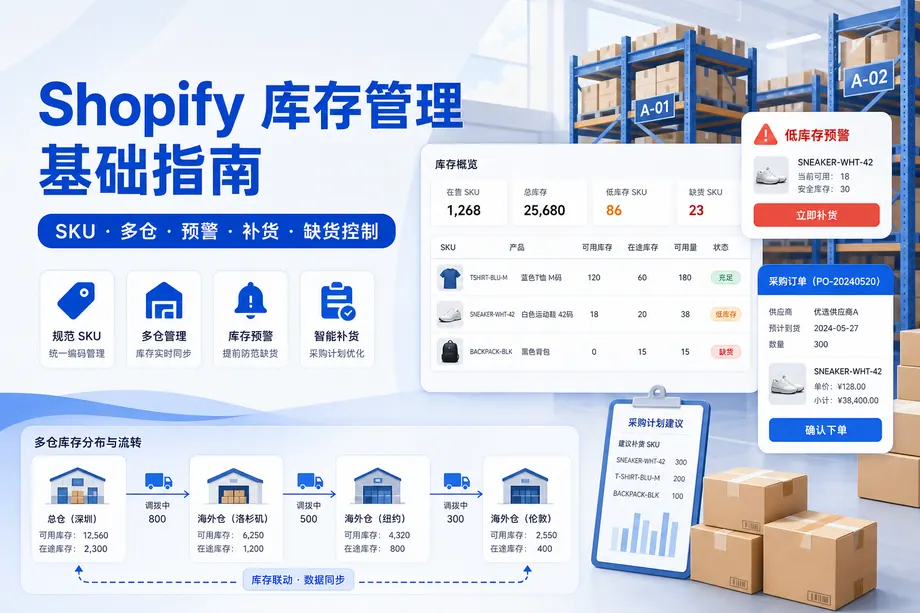
A product can look well stocked while its most popular size is sold out. Track quantities by variant and location, then use lead time and sales pace to set a reorder point.
When the same item is shipped to different countries or postal zones, the package weight, shipping conditions, and optional services may differ. Testing with sample addresses is more reliable than simply checking rate tables.
 跨境独立站开店