An impulse buy refers to purchasing something that wasn't planned beforehand, based on a spur-of-the-moment idea or emotion. This often happens after feeling an urge to buy something, and is usually done without hesitation.
This article explains e-commerce site security measures for online shop owners. Understand the risks and safety measures you need to know to operate a secure and reliable e-commerce site.
This practical guide breaks down the strategies of 10 brands that have achieved success with omnichannel strategies. It organizes key points for data integration, linking stores and e-commerce, and personalization, providing hints that can be used to create your own customer experience.
This article showcases successful omnichannel case studies in the retail industry. Learn about mechanisms for a seamless customer experience, including inventory synchronization and mobile app integration, and discover key points for leveraging Shopify.
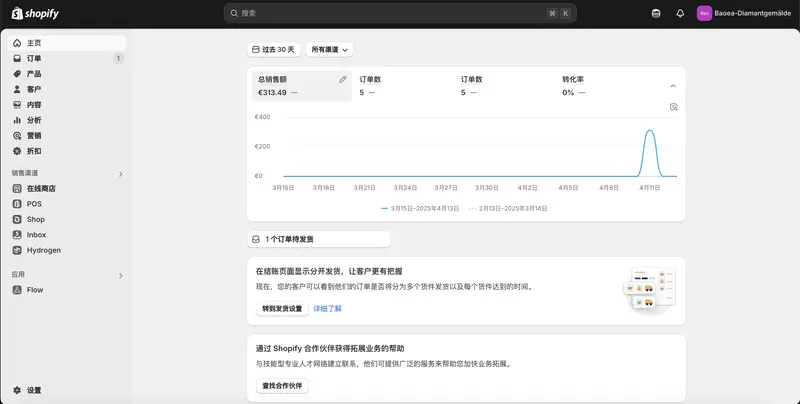
A Shopify Independent Website Guide for Chinese Cross-Border Sellers: The essential differences between independent websites and platform stores, why most people use Shopify to build independent websites, the complete cost structure and minimum investment for the first month, the setup path and timeline from 0 to 1, five traffic channels after launch, and when you shouldn't build an independent website.
Shopify Theme Testing and Deployment Process: Checklist of functional, responsive, browser compatibility, performance, SEO and accessibility tests, pre-launch performance optimization, deployment process based on Shopify CLI and Git, and post-launch monitoring, maintenance and rollback methods.
Shopify Liquid Performance Optimization Guide: Performance metrics measurement and object access statistics, optimized writing of data preprocessing, loop iteration, filters and object access, lazy loading of image media, code splitting and modularization, caching strategies and mobile optimization checklist.
Shopify Store Setup Guide for Sellers in Mainland China: 5 Required Documents Before Registration (Email, Business Qualifications, Payment Channels, International Credit Card, Domain Name) and Their Estimated Time, Complete Registration Process, 6 Essential Settings for Registration Day, and 5 Common Pitfalls.
A beginner's guide to the Shopify platform for sellers with no prior experience: the essential differences between SaaS website building and self-built websites, six things Shopify truly solves for you, the complete cost structure (subscription fee + rate + application), four situations where Shopify is not suitable, and the next step from understanding to opening a store.
A complete user guide to Shopify's built-in Web Performance dashboard. It covers access paths, interpreting Core Web Vitals metrics, methods for time-period analysis, reasons for data discrepancies with external tools like PageSpeed Insights, and troubleshooting common issues.
A comprehensive guide to web performance optimization for Shopify stores. It covers diagnostic approaches for the three Core Web Vitals metrics, the quantitative relationship between performance and conversion rates, setting up a monitoring system, and prioritizing optimization by page type.
A practical guide to US tariffs for cross-border independent websites. It outlines the complete timeline of de minimis's suspension in 2025 to its statutory cancellation in 2027, the replacement of Section 122 and 301 after the Supreme Court overturned IEEPA tariffs, the new CBP postal customs declaration process, and the implementation details for Shopify regarding HS codes, country of origin, DDP/DDU, and price increase pass-through.
A Rollouts guide for Shopify merchants and operations teams. It clarifies the differences between scheduled rollouts, gradual rollouts, and native A/B testing, including package requirements, entry points, traffic allocation logic, criteria for determining sample size and test duration, how to interpret results, comparisons of discount schedules and offers added in October 2026, and when third-party CRO tools are still needed.
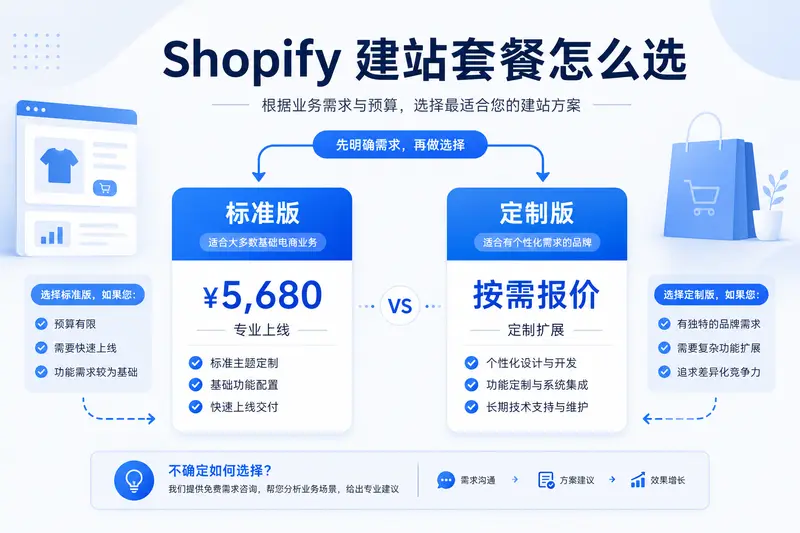
This article breaks down the differences between Shopify's standard and customized versions, helping cross-border sellers choose the right website building solution based on their budget, page requirements, feature expansion, and operational stage.
An implementation guide for Shopify Plus engineering teams. It covers code examples and architecture patterns for Flow automation, migration of legacy scripts in the Script Editor, Launchpad campaign scheduling, multi-store synchronization, B2B wholesale and Company accounts, and bidirectional synchronization with ERP/3PL.
A Shopify Plus decision guide for medium to large-sized independent websites. It covers functional differences from standard Shopify, pricing models, Checkout Extensibility, Shopify Functions, B2B commerce, multi-store management, and typical and inapplicable scenarios.
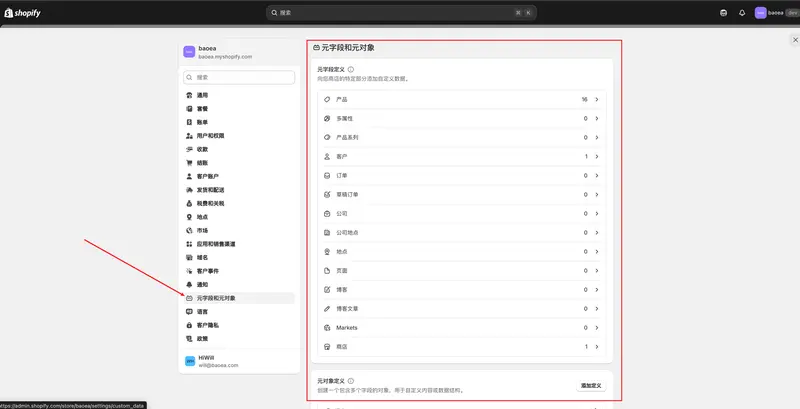
A systematic tutorial on Shopify metafields and metaobjects. It covers conceptual distinctions, namespace conventions, field types, Liquid theme rendering, Admin/Storefront GraphQL API read/write, troubleshooting common issues, and production practices.
A guide to customs duties for cross-border independent websites. It explains the impact of Managed Markets ceasing support for DDU, the cost and experience differences between DDP and DDU, the conditions for enabling Shopify checkout customs duties collection and the 0.5% fee, two ways to handle the EU's €3 low-value tariff, and alternative paths and profit recalculation methods for Chinese sellers who do not qualify for Managed Markets.
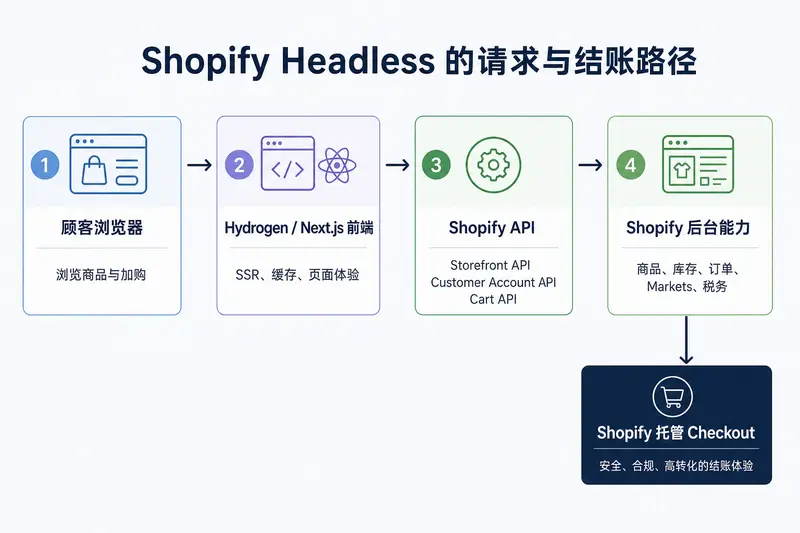
A beginner's guide to Shopify's Headless architecture. It covers the architectural principles, key differences from traditional themes, applicable and unapplicable scenarios, Hydrogen/Next.js selection decisions, typical cases, and migration recommendations.
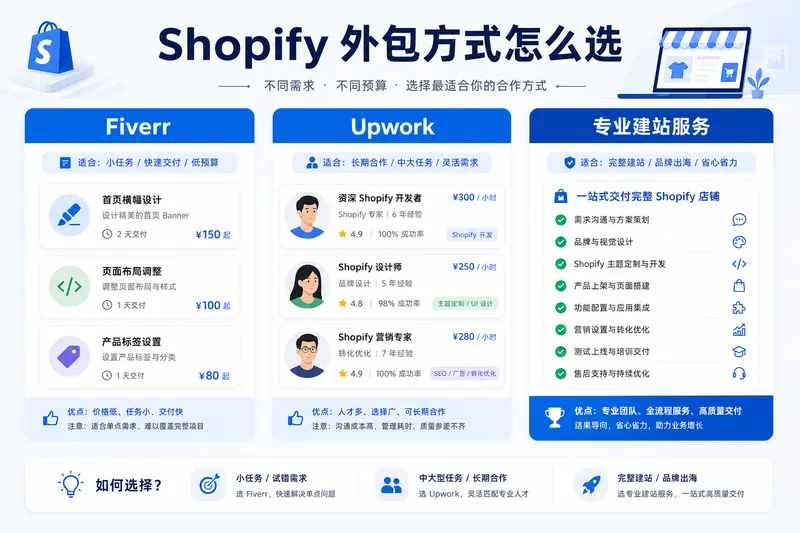
This article compares the pricing, communication, delivery, maintenance, and risks of freelancers like Fiverr and Upwork with professional Shopify website building services to help cross-border sellers choose the right Shopify outsourcing method.
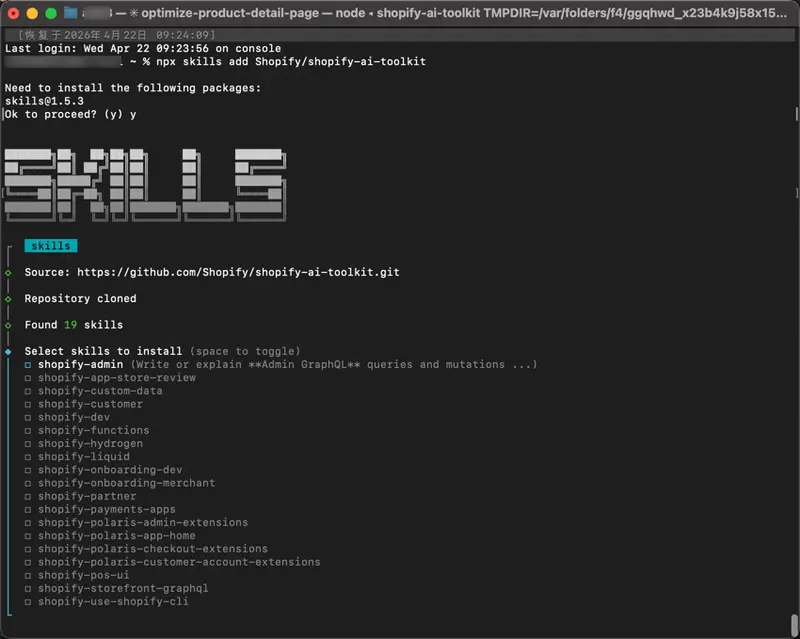
This article introduces how to install Shopify's official AI Toolkit and its practical applications, helping developers use AI tools more efficiently in theme development, bulk SEO optimization, product data processing, and application development.
A performance optimization guide for Shopify store operators and theme engineers. It covers debugging methods for the three core Web Vitals metrics (LCP, CLS, and INP), image and script optimization, application auditing, and a comparison and usage process of performance monitoring tools.
Not every Shopify store should be headless. This guide helps engineering and business teams make actionable decisions, starting with business considerations, Hydrogen/Next.js selection, Storefront API, caching, SEO, application compatibility, and migration risks.
 跨境独立站开店