跨境独立站开店
A Guide to Technology Integration in the Retail Industry
"The inventory in our physical stores' POS systems and our e-commerce site are not synchronized, resulting in frequent overselling." "Customer information is scattered between online and offline channels. We are unable to provide consistent service even to our best customers."

A fragmented "hodgepodge" system of e-commerce, POS, CRM, and other technologies leads to data silos and a decline in customer experience. This article emphasizes the importance of "unification" rather than "integration" of technologies and explains how Shopify can achieve true unified commerce.
"The inventory in our physical stores' POS systems and our e-commerce site are not synchronized, resulting in frequent overselling." "Customer information is scattered between online and offline channels. We are unable to provide consistent service even to our best customers."
The root cause of these problems lies in a "frankenstein technology stack"—a forced integration of separate systems such as e-commerce, POS, CRM, and ERP. This leads to data silos, operational inefficiencies, and, above all, a fragmented customer experience.
This article highlights the technology integration challenges faced by retailers and explains how a "unified" platform like Shopify can solve these problems and enable sustainable business growth.
Why is "unification" rather than "integration" of technology necessary?
Many companies attempt to "integrate" different systems retrospectively through API integration. However, this is merely a patchwork, stopgap solution. Data synchronization between systems always involves time lags and the risk of errors, and it does not address the root cause of the problem.
What's truly needed is a "unified" approach, where all functions are built from the outset on a single platform, under the same philosophy. This allows for a smooth flow of data and enables a real-time, comprehensive view of the business.
Four harmful consequences of a fragmented, "hodgepodge" system
Fragmented systems cause numerous concrete problems in daily operations and hinder a company's growth.
1. Decline in the quality of the customer experience
Fragmented systems, such as inconsistencies between online and in-store inventory information, or the inability of customers to share their online purchase history with store staff, cause stress for customers. Trust in the brand is eroded with each channel crossed.
2. Inefficiencies in inventory management and lost opportunities
Because it's impossible to accurately track inventory levels across all channels in real time, excess inventory and lost sales opportunities due to stockouts of popular items are common. Manual inventory adjustments are time-consuming and costly, and human error is unavoidable.
3. Obstructions to data-driven decision-making
Because customer and sales data are scattered across various systems, it is difficult to accurately analyze the overall business situation. This forces critical decision-making, such as marketing strategy and product development, to rely on intuition and experience, which carries significant risks.
4. High operating costs and technical debt
Maintaining and managing multiple systems individually, and then developing custom solutions to link them together, requires enormous costs and specialized knowledge. As systems become more complex, "technical debt" accumulates like a snowball, making future modifications and the introduction of new technologies increasingly difficult.
Shopify enables true unified commerce.
Shopify is a true unified commerce platform that provides online stores, physical stores (POS), and backend operations (inventory, orders, customer management) in a single operating system.
A powerful POS system that connects online and physical stores.
Shopify POS is a powerful point-of-sale (POS) system that is fully synchronized with your online store. Store sales are reflected in your e-commerce inventory in real time, and vice versa. This ensures a seamless in-store experience and accurate inventory management.
A world-class checkout experience
We offer secure and fast payments, including Shop Pay, which boasts one of the world's highest conversion rates. The one-click purchase experience, where customers complete a purchase with a single click after entering their information once, dramatically reduces cart abandonment.
Customer, inventory, and order management across all channels
Online and offline customer data are automatically integrated to provide a 360-degree customer view. Furthermore, centralized management of inventory and orders across all channels supports efficient fulfillment, such as shipping from the store closest to the customer.
Flexible scalability through a wide range of apps and APIs
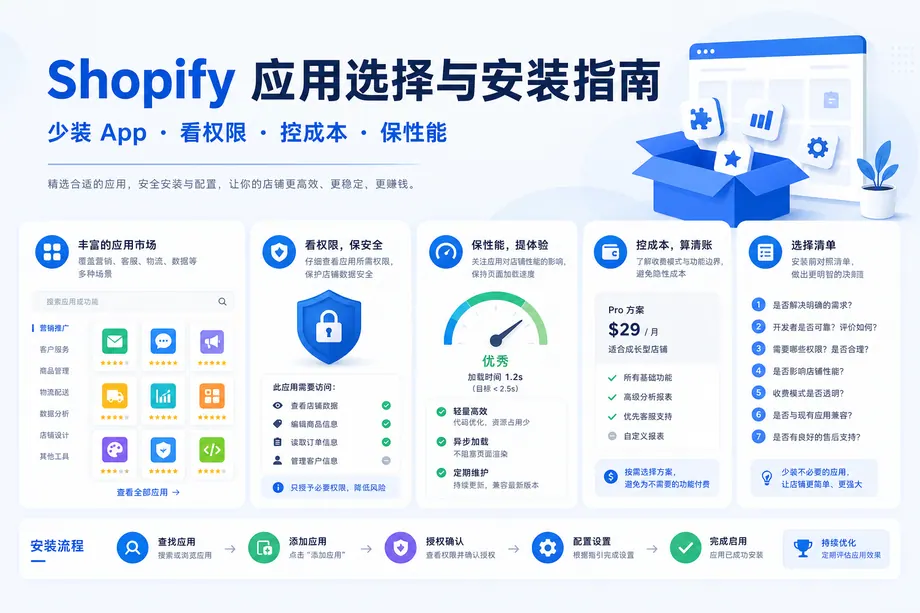
In addition to its core functionality, Shopify offers the App Store with over 6,000 apps and a powerful API. This allows specialized systems such as ERP and CRM to seamlessly integrate on a unified platform. Because there is a single central "brain," data consistency is maintained, and stable operation is possible.
The future of retail depends on technological "unification." Instead of forcing fragmented systems to work together, placing a unified commerce platform like Shopify at the core of your business frees companies from complexity and allows them to focus on creating truly customer-centric experiences.
Reducing total cost of ownership (TCO) and gaining the agility to respond quickly to change—that is the smartest technology strategy for succeeding in the coming era.
Are "invisible costs" and "national borders" hindering your business growth?
Are you able to focus on the core issue that business leaders should be addressing—how to increase sales—by avoiding system maintenance costs and complex international operations?
Shopify is a platform that accelerates your business by enabling both domestic distribution and global expansion.
Reduce defensive costs and invest in offensive growth. Check out our concrete solutions to achieve this.
Share this article
- Share on Facebook
- Share on X
- Share on LinkedIn