跨境独立站开店
What is the "extended warranty" strategy for Shopify stores that improves the customer experience (CX) in e-commerce?
With the rise of platforms like Shopify, anyone can now easily build an e-commerce site. However, generating stable sales from that site remains a constant challenge for merchants. To generate sales from an e-commerce site, it's necessary to continuously improve three universal steps: attracting customers, converting them into buyers, and retaining them.



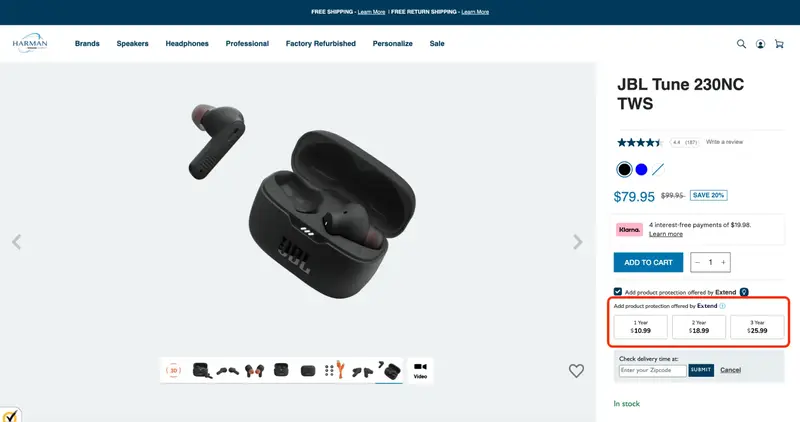
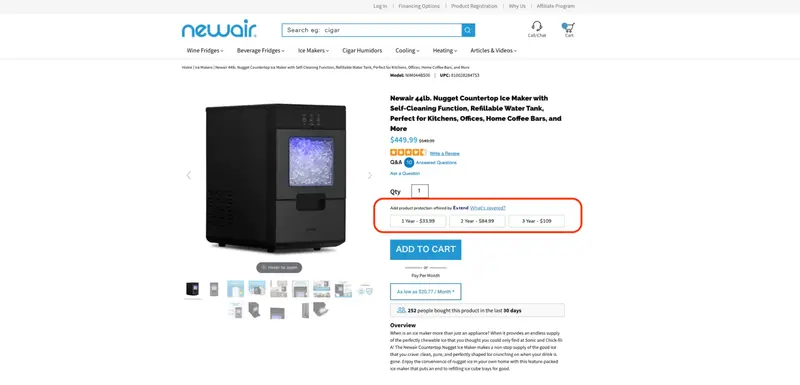
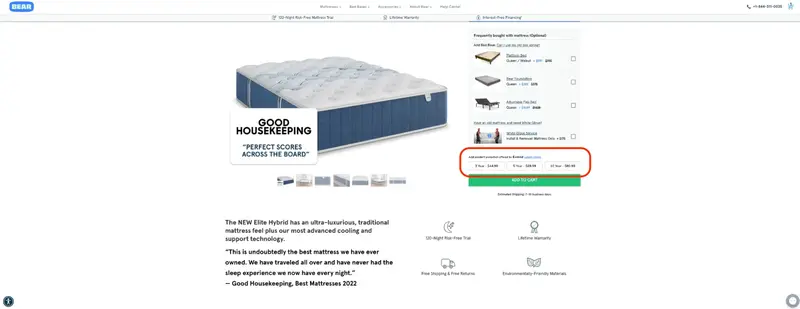


The "purchase" challenge is the decline in brand credibility.
Data shows that millennials and Gen Z, who currently make up the majority of e-commerce users, have a "share of trust that companies do the right thing" of 49% and 38%, respectively. *1
Setting up an extended warranty is no easy task. You need professional help.
To launch an extended warranty, you'll need to calculate the "liability risk," such as the cost of replacing a product if it actually breaks down; a "system" that can be seamlessly integrated into your e-commerce site; and personnel to smoothly manage the extended warranty. We will explain these in order.
Extended warranty case studies in the US e-commerce market
Many e-commerce sites have a period for initial defects and a manufacturer's warranty. Businesses that handle repairs first ask the customer to send images and other information to describe the product's condition. Then, they provide the customer with a repair estimate in advance, and if the customer agrees, they send the product to the manufacturer for repair. Depending on the business, this process usually takes about one to three weeks for the repair to be completed.
Products that are suitable and unsuitable for extended warranties
Products suitable for extended warranties include electronics such as home appliances, audio equipment, and PCs, as well as furniture, watches, outdoor equipment, automotive products, car accessories, and jewelry. Generally, products intended for long-term use and high-priced items are a good fit.