跨境独立站开店
What is international trade? Risks, regulations, and challenges
International trade refers to everything that facilitates the buying and selling of goods across national borders, including shipping, banking, and advertising. This section will discuss the risks associated with international trade.




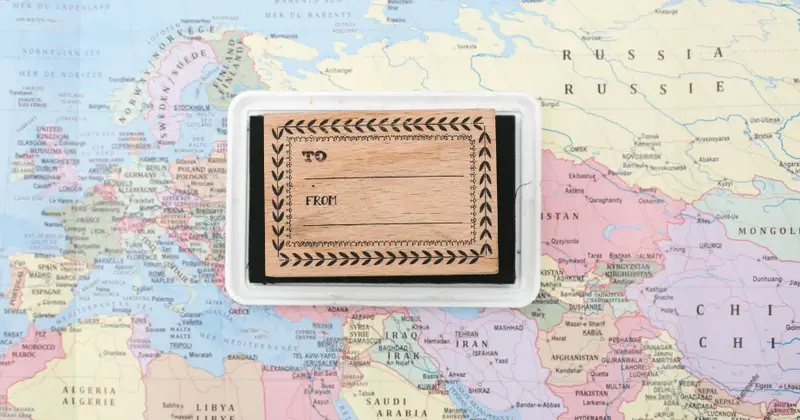

What is international trade?
International trade refers to the buying, selling, and distribution of goods and services across national and regional borders. This includes all transactions that cross national borders, such as selling Japanese products overseas or importing overseas products into Japan. Cases where a company outsources operations to an overseas team are also included.
Delivery and logistics trouble risks
International shipping involves long distances and passes through multiple carriers and customs, increasing the likelihood of delays, loss, or damage upon arrival. Logistical routes may also change due to international circumstances, and freight rates may suddenly increase.
Risks of customs duties and import taxes
Customs duties, consumption tax, and customs clearance procedures vary depending on the trading partner's country, which may result in discrepancies between anticipated pricing and procurement costs. It is necessary to clarify who will bear the customs duties—the business or the buyer.
Payment security and exchange rate fluctuation risks
Because exchange rates fluctuate daily, the timing of purchases and sales can significantly impact profits. Furthermore, international transactions using credit cards tend to have a higher risk of chargebacks (where payments are cancelled some time after confirmation) and fraudulent use.