Submitting a Shopify sitemap and interpreting index status
A sitemap lists URLs a store would like search engines to discover. Before submission, verify the primary domain and confirm that the pages intended for search are publicly accessible.
A sitemap lists URLs a store would like search engines to discover. Before submission, verify the primary domain and confirm that the pages intended for search are publicly accessible.
Open sitemap.xml and confirm it returns XML, then submit it under the matching property. Inspect a sample of products, collections and posts to distinguish discovery, crawling and indexing. Successful submission does not guarantee a search listing for every page.
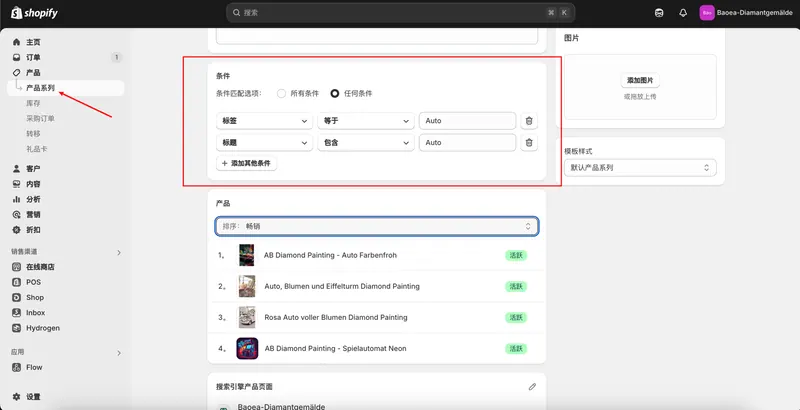
The same items can be grouped by material, use or audience. When two collections contain nearly identical selections, identify the separate buyer questions each page would answer before maintaining both.
Changing a domain affects storefront access and the relationship search engines see between old and new addresses. Before the move, collect representative home, product, collection and article URLs.
A product page explains a specific item, while a blog can answer buying questions such as how two materials compare or how to choose a size. Group the terms customers actually use into topics before drafting posts.
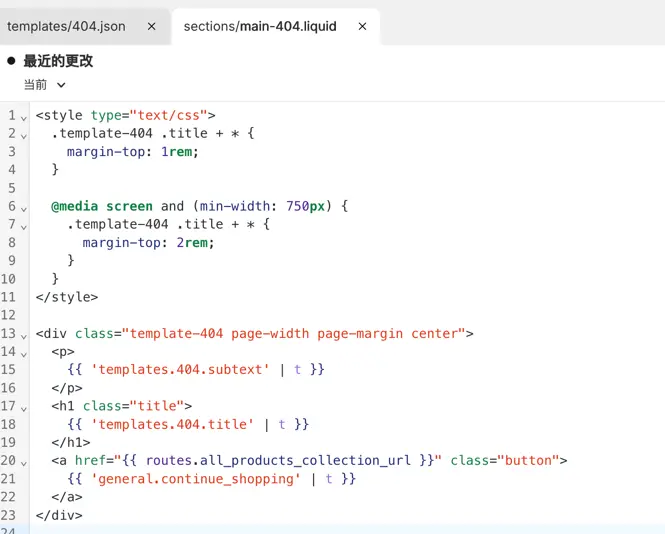
When migrating, renaming, or removing products, it's necessary to handle old addresses that are still used by visitors and search engines. Each redirect should have a clearly defined target page.
 跨境独立站开店