跨境独立站开店
What is core system integration? Benefits and integration methods.
This article explains the types of core system integrations, their benefits, and how to proceed. Address data integrity and compatibility issues to streamline your business operations.
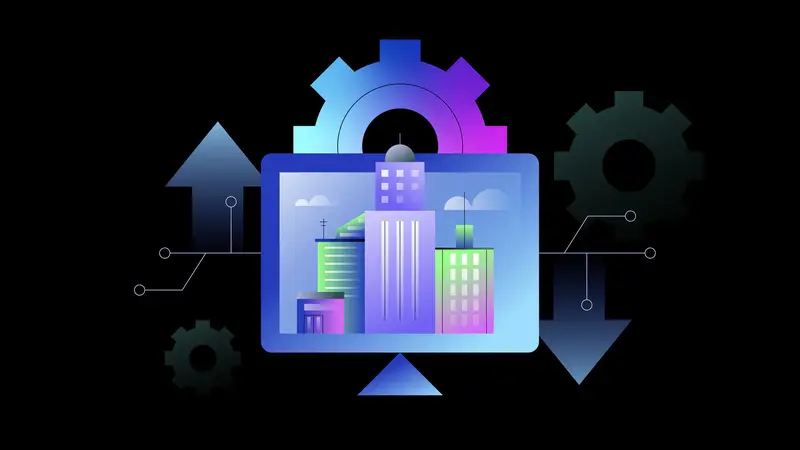


What is core system integration?
Core system integration is a method of linking independent core systems together to enable smooth information exchange between them. By integrating systems, it becomes possible to reduce the effort involved in tasks such as data entry and information retrieval for each system, and managing data in different formats.
Database Integration
Database integration is a method of linking data by accessing the database of a core system. Because each system exchanges common data, even when managing large amounts of information, information can be entered and verified from each system. While it has the advantage of efficiently handling large amounts of data, it also has the characteristic of tending to handle large amounts of data. Since database integration relies on network communication, security measures such as encryption of communications are essential.
File Transfer
File integration is a method of linking systems by exporting information required by a core system in a file format such as CSV or Excel, and then importing it into another core system. Not only is it easy to implement into existing systems, but because export and import are performed separately, a failure in one system will not affect the other. It is suitable for updating data that does not require real-time integration.
API integration
API integration, which has become mainstream in recent years, is a method that enables real-time information sharing by connecting core systems via an interface. While it allows for smooth integration even between systems built with different programming languages, it's necessary to check beforehand whether the target core system supports API integration.