跨境独立站开店
Localizing e-commerce stores: Proper localization methods and points to note
Localization is key to success in cross-border e-commerce. Localization needs to consider not only language and currency, but also domain names, payment methods, and cultural differences.




What is e-commerce store localization?
E-commerce store localization refers to optimizing e-commerce websites and the purchasing experience for local users in overseas markets. It goes beyond simple translation and involves adjusting language, currency, payment methods, shipping, design, and other aspects to suit each country and region.
Benefits of localizing an e-commerce store
Leading to increased sales: By handling content and products that are easily accepted by local users and promoting sales with marketing strategies tailored to the local market, it leads to an expansion of market share in new markets.
Conduct market research
In market research, it's crucial to consider not only demand but also the logistics environment and supply chain challenges in each country. Popular product categories, price ranges, payment methods used, and purchasing behavior vary significantly from country to country and region to region.
Choose a domain structure that is suitable for your target market.
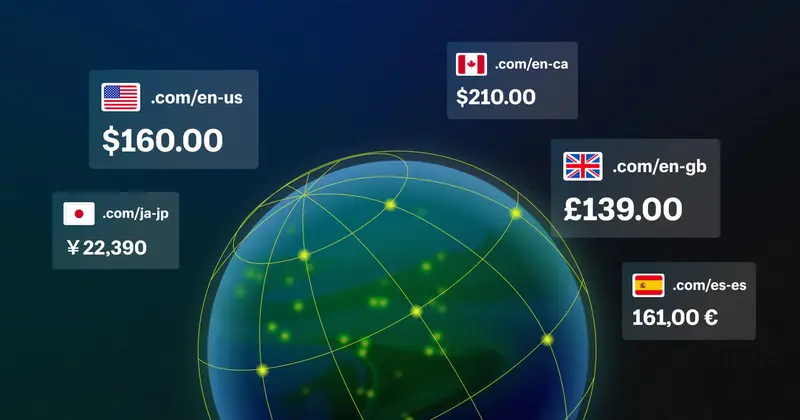
Domain structure refers to how websites are divided by country and language, and it affects SEO and user experience. Typical methods include country code top-level domains (ccTLDs) like "example.jp", subdomains like "jp.example.com", and subdirectories like "example.com/jp/". For example, country code top-level domains tend to gain trust from local users, but they also tend to have higher operational costs.