跨境独立站开店
The basics of cross-border e-commerce and product selection for success in the American market.
The presence of Japanese companies in New York has changed with the times. During the bubble economy, they even owned Rockefeller Center, one of New York's iconic buildings. After the bubble burst and the prolonged recession followed, many Japanese companies, including regional banks and those with small offices, withdrew. Now, facing a shrinking Japanese market due to a declining birthrate and aging population, expanding overseas sales channels has become a major challenge for Japanese companies. With a population of 330 million, nearly three times that of Japan, and with continued growth potential, the American market is attractive to Japanese companies.



This article explains how to enter the American market.
The presence of Japanese companies in New York has changed with the times. During the bubble economy, they even owned Rockefeller Center, one of New York's iconic buildings. After the bubble burst and the prolonged recession followed, many Japanese companies, including regional banks and those with small offices, withdrew. Now, facing a shrinking Japanese market due to a declining birthrate and aging population, expanding overseas sales channels has become a major challenge for Japanese companies. With a population of 330 million, nearly three times that of Japan, and with continued growth potential, the American market is attractive to Japanese companies.
Many people aspire to work in the American market, but doing business in an environment with a different language and business environment is by no means easy. However, it is said that products that are recognized in America, especially New York, can succeed worldwide, and Japanese companies continue to enter the American market.
What are some ways to enter the American market? Broadly speaking, there are three main approaches.
(1) Exhibit at local trade shows to build connections with local companies (2) Establish a local office to conduct independent market research and develop sales channels (3) Cross-border e-commerce
What are the advantages and disadvantages of each method?
Exhibiting at local trade shows
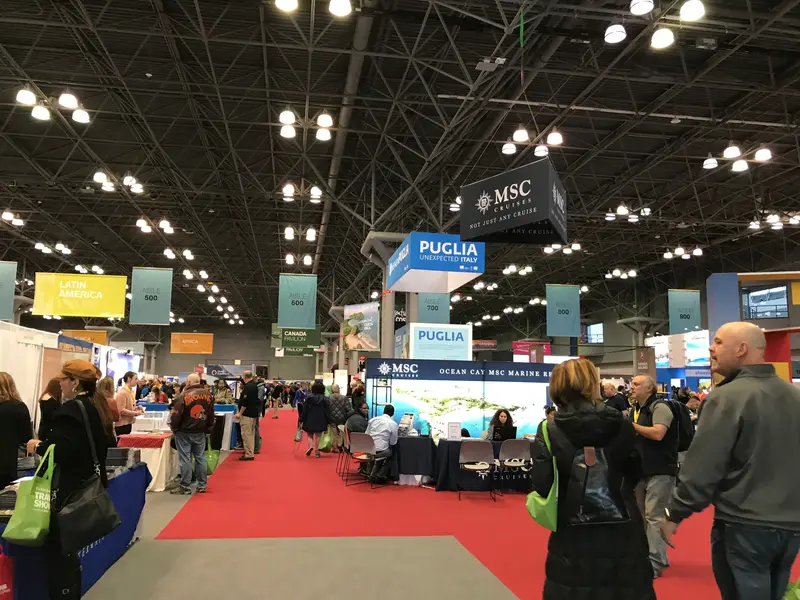
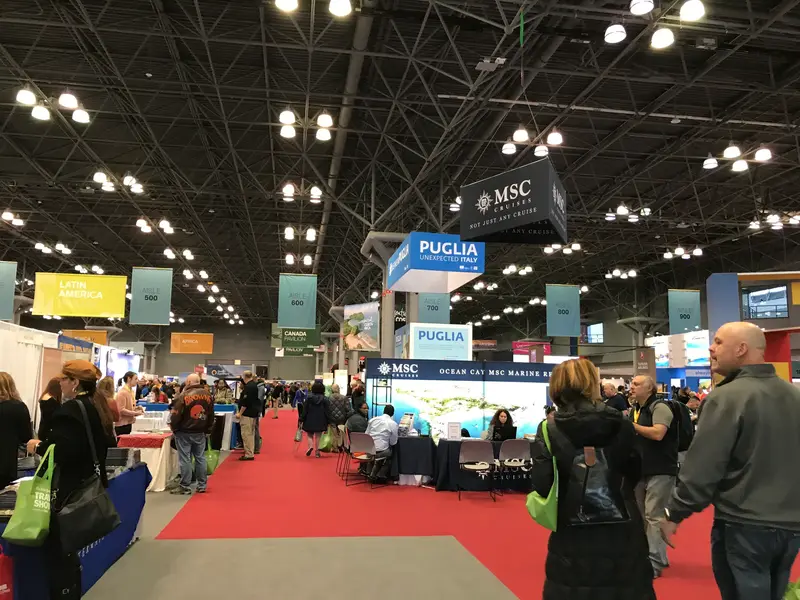
In the United States, trade shows focusing on various themes such as vegan food, children's clothing, sustainable fashion, and general merchandise are held throughout the year in major cities. The biggest appeal of exhibiting at these trade shows is the opportunity to have local buyers physically examine your products and to speak directly with them. Since Americans tend to make quick decisions, there may even be a chance to secure large wholesale orders on the spot.
On the other hand, exhibiting at trade shows involves many expenses, including booth rental fees, salaries for staff during preparation and the event, and travel expenses for key members from Japan. Furthermore, companies without English-speaking staff may need to hire interpreters for on-site business negotiations.
Companies exhibiting at trade shows often don't yet have a local office. In such cases, even if a buyer wants to purchase a product after the trade show, they may find that there is absolutely no stock available locally. While it's possible to contract with a company that supports overseas expansion to handle post-trade show follow-up, since they aren't your own employees, there's a high possibility that your passion for the product won't be conveyed as effectively, and it also incurs additional costs.
If you have a product you're confident you can introduce to the American market and your company can afford the associated costs, that's great. However, if that's not the case, exhibiting at local trade shows can be a significant burden for small and medium-sized enterprises.
Establishment of a local office
So, how about setting up a local office and entrusting such matters to local staff? Even in this age of advanced internet technology where information from all over the world is readily available, there is still information that can only be obtained by being actually on-site, and in the American business world, where people bring in more people, there are many networks that can only be built locally. Furthermore, having a local office allows you to sell your products to local companies not only during trade shows but throughout the year.
However, on the other hand, there are ongoing costs such as rent for the local office and allowances for expatriate employees. Furthermore, it's important not to forget that administrative tasks necessary for running a business, such as paying salaries and filing tax returns, also constitute a considerable burden.
Furthermore, even if you send highly skilled employees from Japan as expatriates, it will take time for them to adapt to an English-speaking environment and a different lifestyle than in Japan. Without understanding American business practices, they may struggle to achieve results, no matter how hard they try. On the other hand, finding loyal American staff who meet your company's needs in a fluid labor market is extremely difficult.
Cross-border EC
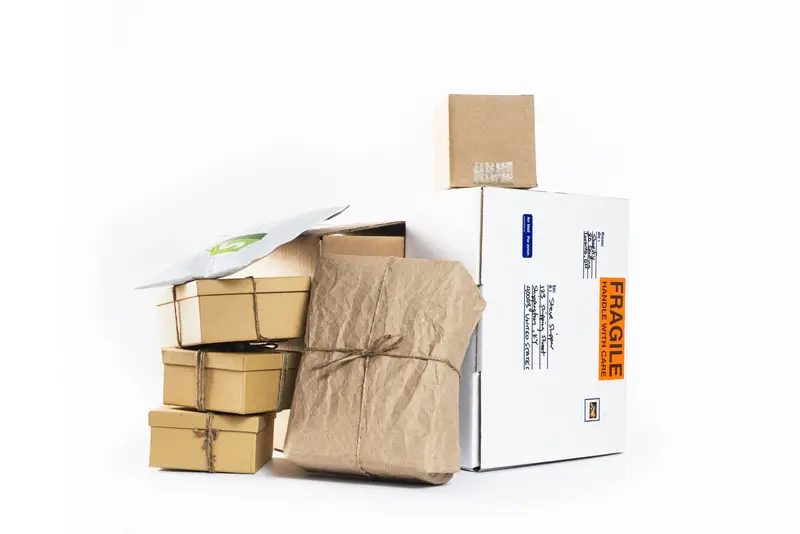
Online shopping has long been widespread in the United States, and Americans have little resistance to purchasing products without seeing them in person. Furthermore, many enthusiasts import products that are difficult to obtain domestically from overseas, and these individuals have little resistance to paying customs duties and high shipping costs.
For retailers, cross-border e-commerce is growing, particularly in the fashion and general merchandise sectors, because they can start their business simply by creating an English-language website and securing staff who can handle customer inquiries in English.
One important thing to keep in mind is that just because a product is good and sells well in Japan doesn't mean it will sell equally well in the United States. This is largely due to differences in tastes and lifestyles between Japanese and Americans. Therefore, careful product selection is crucial for successful cross-border e-commerce.
It's also often said that Japanese products are generally too small. If it's a size difference, you can research the general size in that country by looking at the websites of your competitors in the country you want to enter. Other differences in preferences may be difficult to grasp from the start, but you can address them by continuing to analyze while selling products through cross-border e-commerce, or by studying the local situation if you have the opportunity to visit the country for market research.
So, what kind of products are likely to sell well through cross-border e-commerce when targeting the American market? This time, we'll introduce such products, divided into three categories.
1) Products rooted in traditional Japanese culture
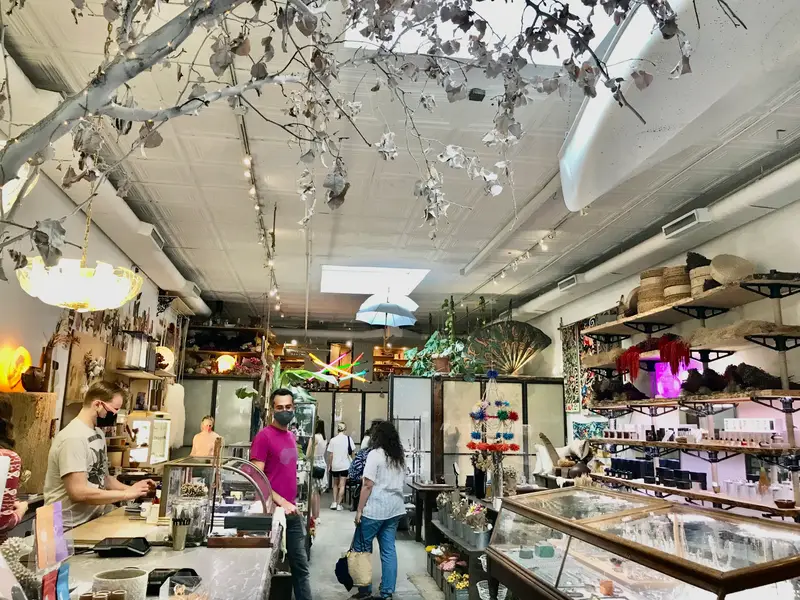
I've lived in New York for 12 years, and I've always felt that there are many people in New York with a deep appreciation for art, and among them, a certain number are interested in traditional Japanese culture. In recent years, I've started to see indigo-dyed products, Japanese ceramics such as Hasami ware and Kutani ware, and tenugui (Japanese hand towels) in select shops run by Americans.
I've met artists who learned indigo dyeing techniques in Japan and then returned to New York to use those techniques to create clothing, bags, and other accessories. I've also heard about American women whose indigo-dyed scarves are very popular. Ceramics seem to be popular with Americans because of their high quality, a testament to Japan's unique technical skills, and their simple designs. Items that are difficult to find overseas, such as children's jinbei (traditional Japanese summer wear) and kimono sashes, are also attracting attention in America. In Japan, sashes are typically used with kimonos, but in America, many people buy kimono sashes to use in their home table settings. These kinds of unique ideas are something you only learn by talking to people from other countries.
2) High-tech products that can only be purchased in Japan
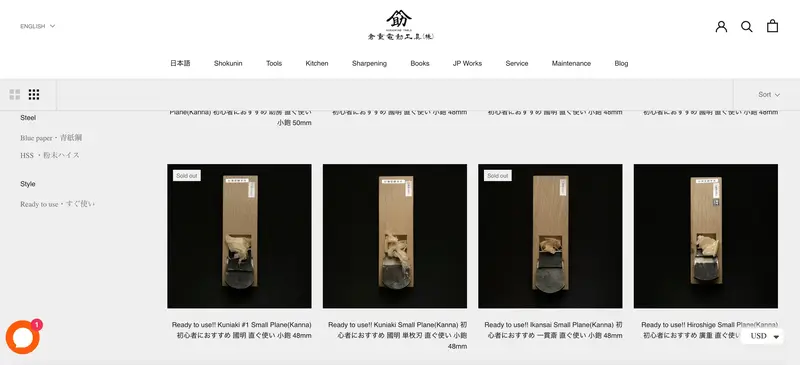
A friend of mine, an American who lived in Japan for several years, told me that Japanese tools are gaining attention among woodworking enthusiasts in New York. He said that there are hardly any substitutes in the US for the precision tools made in Japan, which are produced with high technical skill accumulated over many years of experience. I've also heard a story about a small business that was struggling with declining domestic demand, but started promoting its products on Instagram, and as a result, received a flood of inquiries from overseas, and started cross-border e-commerce with its existing employees.
Thus, even if a product faces a tough challenge in a niche market in Japan, if it possesses high technological capabilities and is only available in Japan, it's entirely possible that looking beyond Japan could open up new sales channels. While overseas purchases involve customs duties and shipping costs, these are not obstacles for fans who absolutely want that particular product.
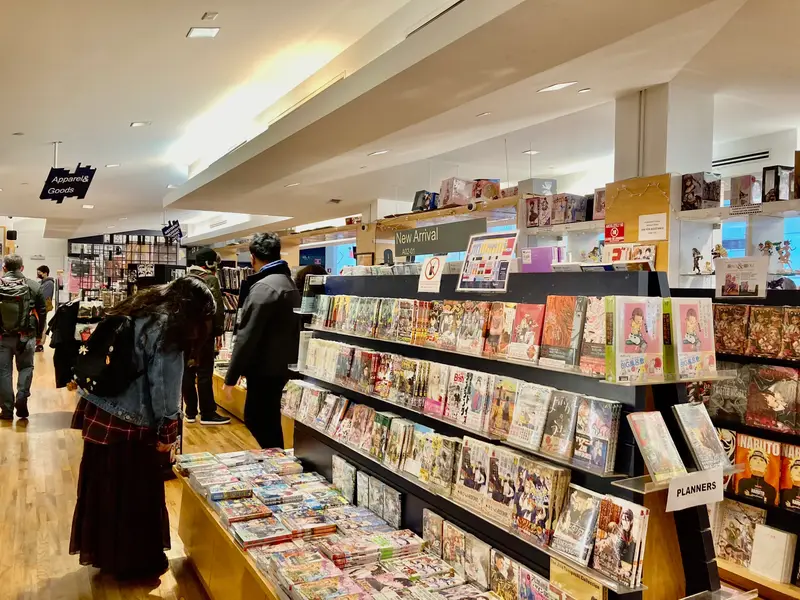
3) Japanese subculture-related products
As we have seen, even if a product is not particularly novel in Japan, it may appear differently to people overseas, and cross-border e-commerce, which can tap into such demand, holds great potential.
Even with the same product, if you provide detailed English descriptions to help customers visualize the product (for example, using inches for sizes in the US market), and include plenty of photos and videos to effectively convey how the product is used on your website, you can effectively showcase the product's appeal online.
I hope that through cross-border e-commerce, the day will come when Japan's proudest products can spread their wings even further around the world.
For specific steps on starting cross-border e-commerce, please refer to our "Complete Guide to Starting Cross-Border E-commerce."
Share this article
- Share on Facebook
- Share on X
- Share on LinkedIn