跨境独立站开店
A Guide to Cross-Border E-commerce | How to Get Started, Platform Selection, and Key Points for Success
"We want to sell our products overseas, but we don't know where to start." "We're interested in cross-border e-commerce, but we can't predict the risks and investment costs." "We want to organize our platform selection and how to set up payment and logistics." These are some of the first hurdles that businesses considering overseas sales encounter.

Introduction
"We want to sell our products overseas, but we don't know where to start." "We're interested in cross-border e-commerce, but we can't predict the risks and investment costs." "We want to organize our platform selection and how to set up payment and logistics." These are some of the first hurdles that businesses considering overseas sales encounter.
The prerequisites are significantly different from domestic e-commerce, and stumbling in the initial design can delay the launch by six months to a year.
The challenge of cross-border e-commerce lies in the fact that it doesn't end with just building an e-commerce site. For example, it involves international payment processing, international shipping, customs duties and clearance, local language and currency support, tax regulations, and local marketing.
This is a topic that cannot be avoided if you are thinking about business growth.
This article will provide a clear explanation of cross-border e-commerce, including its definition, market size, business model, 7 steps to getting started, criteria for selecting a platform, key points regarding payment, logistics, and legal regulations, and common pitfalls.
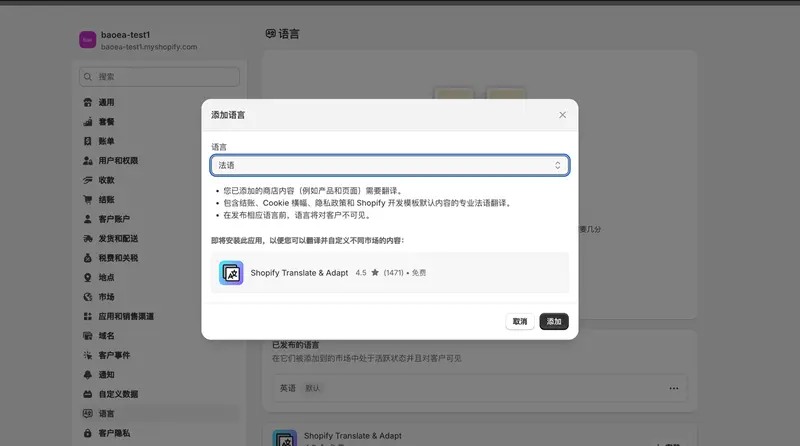
To deliver products to overseas customers through cross-border e-commerce, multilingual support is crucial. Please also refer to our "E-commerce Multilingual Support Guide."
The Complete Guide to Multilingual E-commerce | Thorough Explanation of Implementation Methods, SEO, Currency Payments, and Operational Design
1. What is cross-border e-commerce?
1-1. Definition of Cross-Border E-commerce
Cross-border e-commerce refers to transactions in which businesses in a country sell goods and services to consumers overseas via the internet.
Rather than establishing physical stores or local subsidiaries overseas, a typical model involves maintaining a base in Japan and selling across borders through one's own e-commerce site or overseas e-commerce marketplaces.
While it's sometimes called cross-border e-commerce, global e-commerce, etc., this article will use the term "cross-border e-commerce" consistently.
A major characteristic of cross-border e-commerce is that you can start selling products overseas without having to set up a physical store abroad.
For example, cosmetics, apparel, food, and general merchandise manufactured in Japan can be sold overseas by building an e-commerce site. Compared to opening physical stores or establishing local subsidiaries, the advantage is that it allows for a smaller, more manageable entry into overseas markets.
On the other hand, simply publishing the same website overseas as you do domestically is not a viable option.
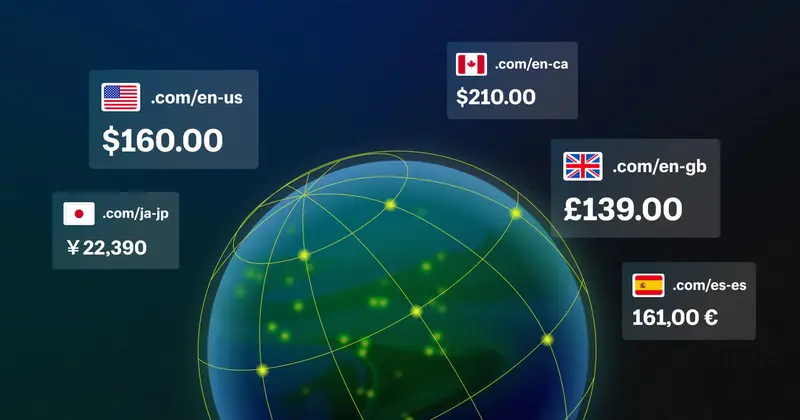
Multiple factors must be considered, including the language and currency of the country of sale, payment methods, shipping, customs duties, tax systems, return policies, privacy policies, and product labeling.
Therefore, when building an e-commerce site for cross-border e-commerce, it is important not only to translate product pages, but also to create a system that allows overseas users to complete their purchase with peace of mind.
2. Size and Trends of the Cross-Border E-commerce Market
2-1. The size of Japan's cross-border e-commerce market
According to a market survey on e-commerce conducted by the Ministry of Economy, Trade and Industry, the cross-border e-commerce market, in which Japanese businesses sell to overseas consumers, is already quite large, even considering only the two major markets: China and the United States.
3. Three Business Models for Cross-Border E-commerce
There are three main business models for cross-border e-commerce.
The most suitable model depends on the product, sales countries, internal resources, brand strategy, and available investment.
4. 7 Steps to Starting Cross-Border E-commerce
Cross-border e-commerce is a business where you're likely to encounter setbacks if you proceed in the order of your ideas.
In particular, if you start by building the e-commerce site first, you may later discover issues with the countries of sale, payment systems, logistics, and legal regulations, which can necessitate significant revisions.
Here, we'll introduce the seven basic steps to starting cross-border e-commerce.
5. How to choose a cross-border e-commerce platform
The success or failure of cross-border e-commerce largely depends on the selection of the platform.
Comparing only the initial costs of building an e-commerce site can lead to unexpectedly high costs after launch, as additional apps and external services may be required.
Therefore, it is important to make a decision based on the total cost, which includes initial costs, monthly fees, sales commissions, app costs, development costs, translation costs, and logistics costs.
6. Payment, logistics, and legal regulations for cross-border e-commerce
The three areas where cross-border e-commerce businesses often encounter difficulties are payment, logistics, and legal regulations.
While it's easy to focus on the website design and product pages, the actual purchasing experience is influenced by information such as payment methods, shipping costs, delivery times, customs duties, and return policies.
7. Common characteristics of companies that are achieving success in cross-border e-commerce
Companies that are successful in cross-border e-commerce share several common characteristics.
8. Common Mistakes in Cross-Border E-commerce
Finally, here are six common pitfalls in cross-border e-commerce.
Cross-border e-commerce offers the potential to sell to overseas customers that are difficult to acquire within Japan alone, but it requires a different business model than domestic e-commerce.
Building an e-commerce site isn't the end of the story; it needs to be designed as a complete purchase experience, encompassing everything from the country of sale, products, payment methods, logistics, customs duties, legal regulations, translation, SEO, social media, advertising, and customer support.
What's particularly important is not to target the entire world from the start, but to narrow down the countries and products you sell to and create an environment where local users can easily purchase your products.
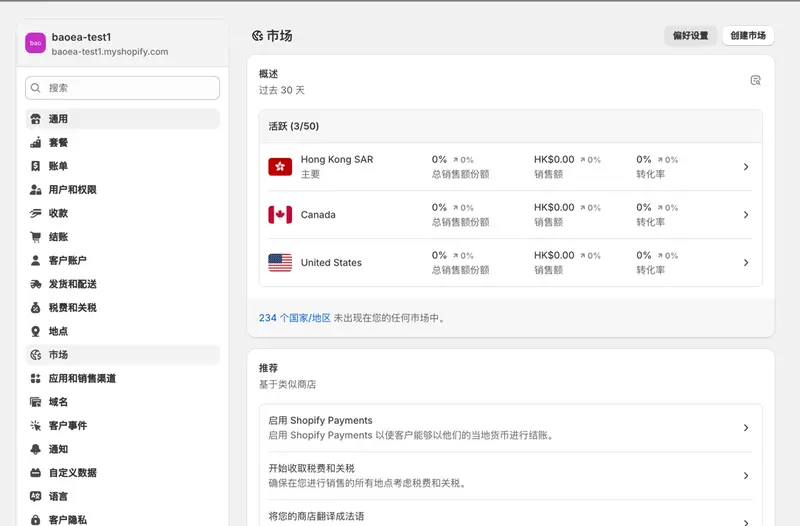
By utilizing a globally-oriented platform like Shopify, you can also consider building an e-commerce site by gradually adding necessary features.
References
- Ministry of Internal Affairs and Communications, "Survey on Trends in Communications Usage"
- Statista E-commerce Market Data
*The figures in this article are based on industry statistics and publicly available information as of May 2026. Regulations, tax systems, and major payment methods in each country may change, so please check the latest information before implementation.
Share this article
- Share on Facebook
- Share on X
- Share on LinkedIn