Running an online shop involves a variety of tasks, such as taking product photos, registering products, redesigning various pages, and setting up apps. However, many people are so busy with these daily tasks that they can't do what they really want to do or what they should be doing. They may also lack the knowledge or experience in design or coding, and even if they want to improve something, they can't. Running an online shop involves a wide range of tasks, from routine tasks like product registration to those requiring specialized skills, such as design renewals and app setup. These tasks can be outsourced using Lancers!
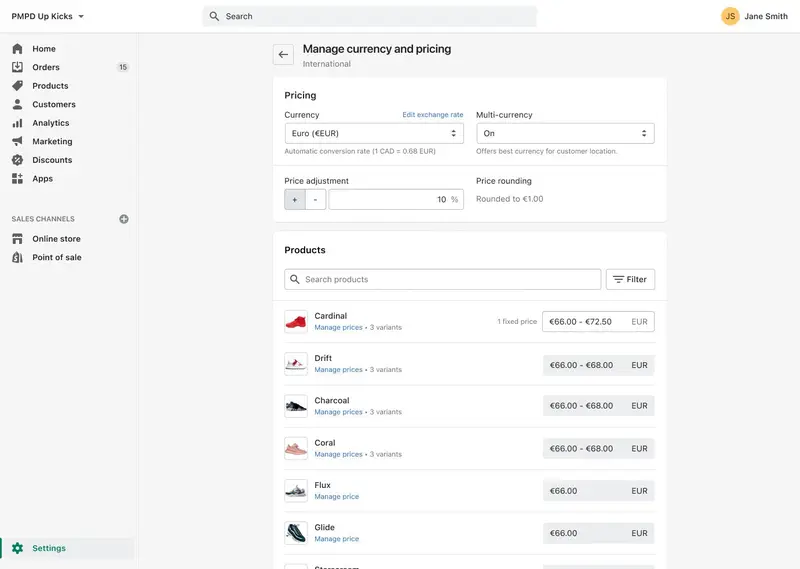
This article explains the features of Shopify Markets, which allow online store managers to easily build a global growth strategy from their Shopify store.
Since Apple launched the App Store in 2008, the app market has expanded rapidly. In 2018, there were 194 billion app downloads, mainly in emerging markets. The Shopify App Store alone has thousands of apps.
Hi, I'm Ezra, CEO of SmartMarketer.com. I've sold over $5 million in design, development, and marketing services to e-commerce business owners. I've attended hundreds of sales meetings and I've learned one thing: there's one question that prospective clients want answered, and if I answer it well, I get the contract and acquire a new client. If I answer it poorly, I leave empty-handed.
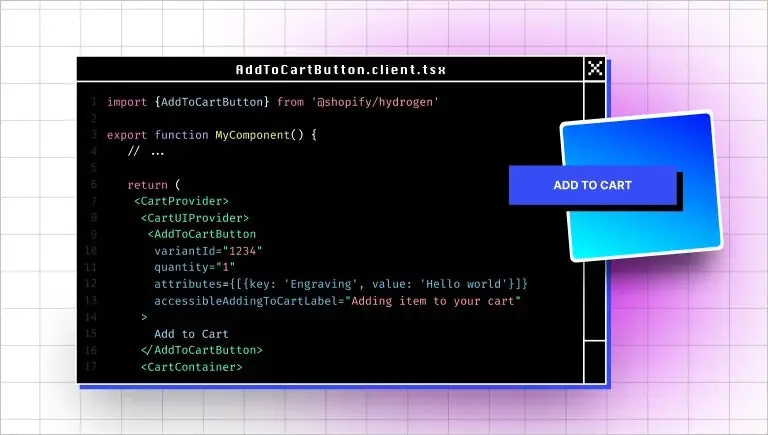
The future of commerce is personalized, contextual, and dynamic. Hydrogen is a React-based framework for building custom, creative storefronts that leverage the Shopify platform and APIs.
We support business growth by providing trends, tips for improvement, and educational resources not only to Shopify merchants running various businesses, but also to freelancers and developers in the web industry.
Shopify's meta fields make it easier to add and manage information that isn't available in standard fields, such as product details and customer information. This section will show you how to use meta fields with examples.
This article supplements a video from the ShopifyDevs YouTube channel. It's the second in a three-part series created by Shopify Plus Solutions Engineer Zameer Masjedee. Building on the content of the first post, "An Overview of Rate Limiting," this article examines the benefits of GraphQL, why it's recommended, and how it differs from REST APIs.
When developing a Shopify app, especially during sales periods, it can become difficult to scale the app by receiving webhooks directly from Shopify. In managing traffic loading,
When Shopify merchants use apps from the Shopify ecosystem, they entrust critical business operations to developers. Therefore, maintaining a trustworthy and reliable app marketplace is a top priority. We ensure all app developers meet high standards. If they do not, we face the difficult decision of removing their app from the store or even from the platform.
We have prepared free email newsletter templates for various scenarios and purposes. We also introduce email newsletter formats and writing tips, along with examples, to help you create email newsletters that get read.
As a Shopify partner, you need to be very familiar with store building. Store building is used as the first step in a Shopify client agreement, as well as for demos and portfolios.
Tokyo Freelance has launched a "Shopify Course" at its online school, "Daytra." Daytra's Shopify course not only provides detailed instruction on how to use Shopify, but also covers everything from sales pitches to advertising management in a comprehensive package.
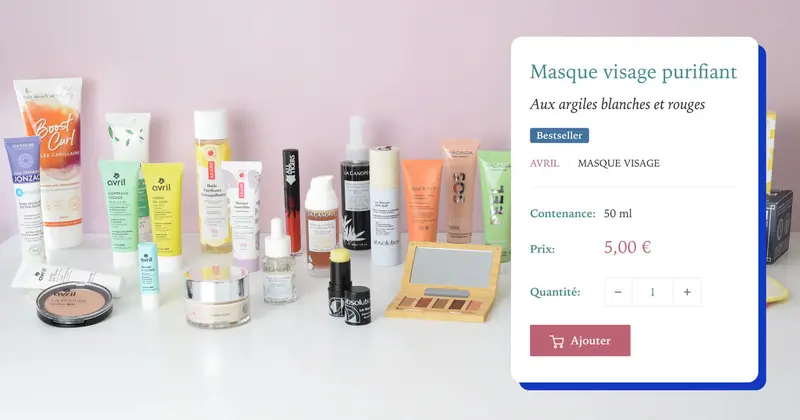
Product pages are arguably the most important touchpoint in a Shopify merchant's store. They are especially crucial for communicating the value of your products.
Shopify store search is a fairly powerful tool for searching products, posts, and pages. However, clients often want to optimize the search to display only specific results. This is especially true when clients have large product inventories or a lot of content other than products. As stores become more complex, clients require processes such as fine-grained search filtering to display specific results or prioritizing products over regular pages. Customized search options are helpful in these situations.
Amidst the impact of the COVID-19 pandemic, businesses are scaling back operations and pivoting their business models to limit direct, face-to-face interactions. While these measures are absolutely necessary, this trend is having a serious impact on independent small businesses around the world.
The opportunity to monetize content is greater than ever. Thanks to the internet, individuals around the world are building content empires by meticulously sharing their unique experiences. From foodies to entrepreneurs, from fitness instructors to politicians, a multitude of people delivering new content are moving through social media, videos, blogs, and emails. Where there are passionate audiences, there are content creators ripe for monetization. And today, these big names are called "influencers."
 跨境独立站开店