 跨境独立站开店
What is the difference between UI and UX? What are their relationships and roles in e-commerce?
This article explains the differences and similarities between UI and UX, and their relationship. Understanding their respective characteristics and roles in e-commerce will help you improve your e-commerce site.




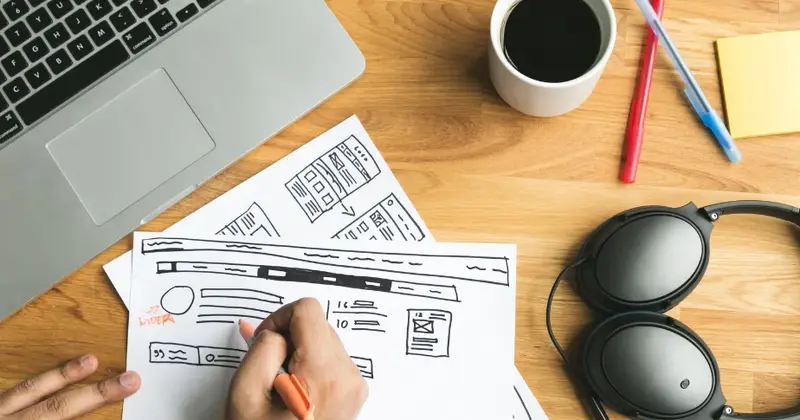


This article explains the basics of UI and UX, including their differences, similarities, and roles in e-commerce.
Excellent UX and UI are essential for providing users with a superior customer experience, increasing engagement, and driving purchases of products and services. By understanding the respective roles and specific approaches of UX and UI, and incorporating them into the design, you can build a store that is easy for everyone to use.
This article provides a clear explanation of the differences and roles of UI and UX, as well as their roles in e-commerce businesses.
What is UX?
UX stands for User Experience, and it refers to the entire experience a user has while using a product or service. It encompasses the entire experience from the moment a user first interacts with the product or service until they finish using it. In UX, it's crucial to design products and services that are intuitive, user-centered, and visually appealing.
In the field of e-commerce, "users" refer to customers who use, for example, a brand's website or shopping app. On the other hand, "experience" includes all aspects of the product or service, from minute details like the size of the shopping cart icon to larger factors like the impression received during the purchase process.
UX design refers to optimizing the customer experience, including all touchpoints on apps and websites, as well as interactions with product packaging and other elements.
The role of a UX designer
UX designers primarily plan, design, and improve products and services with the aim of meeting user needs. Designing customer experiences utilizes methods such as "design thinking," which considers issues from the user's perspective; "systems thinking," which grasps the overall interconnectedness of the product; and "lean UX," which enhances usability while reducing waste.
Specific tasks of a UX designer include the following:
- Strategy formulation (how to measure the success of the design, etc.)
- Conducting user research
- Persona setting
- Creating an information architecture (organizing and labeling information to make it easy to use)
- Structuring and improving the customer journey
- Creating wireframes (design drawings)
- Test execution
What is UI?
UI stands for User Interface, and refers to the visual elements that users interact with on the screen of a digital product. UI is a part of UX, and it focuses particularly on screen design and display.
UI (User Interface) is responsible for designing how a product looks, feels, and is used, ensuring that users can operate it efficiently. It incorporates design elements such as graphic design, typography, and color schemes, as well as the results of user research.
Typical UI elements include icons, search fields, buttons, and progress bars. UI also includes elements that respond to user actions, such as animations, sounds, and messages indicating the outcome of an action.
The role of a UI designer
UI designers create visually appealing and user-friendly screens for websites, mobile apps, and software. Their role is to create interfaces that allow users to achieve their goals without stress.
The main responsibilities include creating and arranging visual elements such as menus, widgets, sliders, page navigation, and brand illustrations. The goal is to create consistent and highly usable designs that reflect the results of user research. It's also crucial to collaborate with engineers as needed to ensure the designer's intentions are accurately reflected in the coding.
The relationship between UX and UI
To understand how UX and UI impact products and businesses, it's essential to first grasp their differences and similarities.
What is the difference between UX and UI?
The main difference between UX and UI lies in their scope and focus. UX is a broader concept that deals with the entire user interaction and experience with a product. Therefore, it applies not only to digital products but to all products, services, and experiences in general. UI, on the other hand, is more specific and focuses primarily on the on-screen design, the appearance of user elements, and the functionality of those elements in digital products.
Because of these differences, typical product development follows a sequence where UX design comes first, followed by UI design. First, the UX designer designs the user flow, and then the UI designer creates the specific visual and interactive elements of the screen based on that design.
What are the similarities between UX and UI?
UX and UI are design fields that share a common user-centered approach. Both aim to provide users with a superior experience, which requires a deep understanding of user needs and behaviors. To achieve the ultimate goal of improving customer satisfaction, they employ common processes such as research, the use of design methodologies, team collaboration, and prototype creation.
The Role of UX and UI in E-commerce
The role of UX and UI in e-commerce is to provide customers with a stress-free purchasing experience, generate repeat customers, and lead the e-commerce business to success.
If the UX and UI are designed to allow users to smoothly browse and purchase products from desktops, mobile devices, and apps, the likelihood of repeat business increases. In fact, the "2nd Survey on the Actual State of Design Utilization in Corporate Management" showed that companies that actively incorporate design into their management strategies had the highest percentage of respondents who answered that "the average sales growth rate over the past five years was 20% or more," indicating a strong correlation between sales and design.
For example, by incorporating the following UI/UX measures into your e-commerce site, you can expect to acquire users who previously abandoned their shopping carts or left the site.
- Easy-to-find product design: We've adopted a design that allows users to intuitively find products by categorizing them, introducing filtering and sorting functions, and providing a search bar.
- Simplified checkout process: We've implemented guest checkout, automated form filling, and ID payment to minimize input fields and simplify the checkout process.
- Accessibility improvements: We are working to create a website that is easy for everyone to use by implementing features such as font and color adjustments, animation controls, audio mute, and ALT text.
Both UX and UI are essential elements for increasing customer satisfaction. UX designs the overall experience, while UI shapes the appearance and usability of the screen.
When operating an e-commerce site, it's essential to make it easy to find products and streamline the purchase process. Designing a site where customers can shop comfortably without getting lost will lead to increased sales and repeat customers.
If you're looking to launch an e-commerce site with excellent UX and UI, Shopify is highly recommended. It simplifies navigation and the checkout process, and offers numerous templates to reflect your brand's worldview. A free trial is also available, so please give it a try.
Frequently Asked Questions about UI and UX
How would you explain UI/UX in simple terms?
UX refers to the overall experience a user has while using a product or service, while UI refers to the design and elements of the screen that the user actually interacts with.
What is the difference between a UI designer and a UX designer?
UX designers design the overall user experience, while UI designers are responsible for designing the parts that users actually interact with, such as the appearance of the screen and the elements they use to interact with the user. In some cases, a single job title may handle both roles.
What is the difference between a UI/UX designer and a web designer?
The difference between a UI/UX designer and a web designer lies in the purpose of their design and the areas they focus on. UI/UX designers pursue functionality and usability of products with the goal of improving the user experience, while web designers are primarily responsible for creating the visual design of websites.
Share this article
- Share on Facebook
- Share on X
- Share on LinkedIn



