跨境独立站开店
The difference between dye-sublimation printing and DTF printing: How to choose the best printing method
Both dye-sublimation printing and DTF printing can produce high-quality designs with vibrant colors, but they differ in their mechanisms and characteristics.
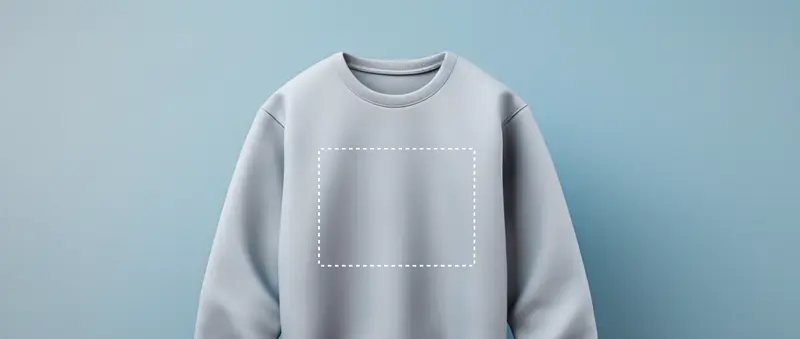
Both dye-sublimation printing and DTF printing can produce high-quality designs with vibrant colors, but they differ in their mechanisms and characteristics.
While spilled juice soaking into carpets can be problematic, there are also cases where the dye penetrating the fabric can be advantageous. A prime example of this is sublimation printing. Sublimation printing is a printing method characterized by its vibrant colors and long-lasting finish.
DTF printing is a printing method that closely resembles applying a high-quality sticker. It can reproduce vibrant colors and intricate designs, but it may be less durable than sublimation printing.
This article explains the main differences between DTF printing and dye-sublimation printing, as well as the unique strengths of each printing technology.
Sublimation printing: A printing technique that infuses dyes into the material.
Sublimation printing is an image transfer technology widely used for custom printing on fabrics, ceramics, metals, plastics, and other materials. It can reproduce delicate designs and photographs with rich colors and is suitable for blended and synthetic fibers and poly-coated materials.
Sublimation printing uses heat and pressure to transform solid ink into a gas without going through the liquid stage. By using a dedicated sublimation printer and heat press, the ink doesn't just sit on the surface of the material, but bonds with the material itself. As a result, the print is highly durable. Another characteristic is that the finished product has a slight translucency, allowing the original texture and color of the material to be faintly visible.
This technique is particularly suitable for light-colored fabrics. Sublimation printing is offered by many printing companies, but the process is relatively simple, and you can even print on handmade items at home.
Sublimation printing process: 3 steps
- Design preparation
Sublimation printing is an ideal method for creating custom-printed products. Here, we'll introduce the basic process of sublimation printing and key points to consider when preparing your design.
Dye-sublimation printers use digital files such as PNG and vector PDF. The required file format and resolution vary depending on the printing company.
For example, the print-on-demand service Printful accepts JPEG or PNG files with a resolution of 150 dpi or higher. They also recommend using a transparent background and an sRGB color profile. Requirements vary by printing company, so be sure to check beforehand.
Sublimation printers use a special ink called sublimation ink to print designs onto transfer paper. Because the image is inverted during printing, the design is printed horizontally inverted on the transfer paper.
The printed design is transferred to the product using a heat press. The design is positioned on the product and placed in the heat press. The ink sublimes due to the heat and pressure, transferring the design to the material. The transfer time varies depending on the conditions, but it is usually around 40 to 90 seconds.
DTF printing: A printing technology that can handle a variety of materials.
DTF printing is a textile printing technology that allows for the printing of high-quality images with vibrant colors on a variety of fabrics, including natural fibers such as cotton and linen. It can print on both light-colored and dark-colored fabrics.
The DTF printing process involves creating print data, printing, curing, and transferring. A dedicated printer reads the digital file, and water-based ink is applied to the transfer film to output the print data. A white ink base layer is applied before color printing, ensuring that colors appear vibrant even on dark fabrics.
How DTF printing works: 4 steps
- Preparing print data
DTF printing requires specialized equipment, and regular maintenance of the equipment is essential. Here, we will introduce the basic process of DTF printing.
DTF printers use digital files. Printing companies usually have guidelines for submitted data, and generally accept PNG or TIFF formats. In most cases, the use of the sRGB color profile and image data with a resolution of 300 dpi or higher are recommended.
To achieve a clean finish, it's best to avoid designs or images that fill in large areas. When ink is applied continuously over a wide area, it tends to result in a hard, unnatural texture.
🌟 If you want to learn how to create a T-shirt design in 6 simple steps, check out our guide which explains in detail the importance of materials, printing, color theory, and high-resolution images.
DTF printers use water-based inks to print onto thermal DTF transfer film. The image on the DTF film will be horizontally reversed compared to the final printed image.
In the curing process, adhesive powder is sprinkled onto the DTF film immediately after printing, and heat is applied. While the ink is still wet, DTF curing powder is applied and heated and dried in a curing oven or heat press. This activates the adhesive, increasing the clarity and durability of the print. It is important to allow the film to cool completely before transfer.
To transfer the design, place the fabric in the heat press, then place the printed film on top and press. Once the transfer is complete, carefully peel off the DTF film, leaving the print on the fabric.
🌟 If you're interested in starting an online t-shirt business, check out our expert guide on finding customers, designing popular graphics, and tips for selling online.
Five differences between dye-sublimation printing and DTF printing
- Material compatibility range
- Cost and equipment
- Color scheme of the design
- Design texture
Both DTF printing and dye-sublimation printing can produce high-quality designs with vibrant colors, but there are clear differences in the materials they can handle and the resulting finish. Let's look at the main differences to help you choose the method that best suits your business.
DTF printing can be used on a variety of fabrics, including natural fibers such as silk and cotton. Sublimation printing is suitable for polyester or polyester blend fabrics. Furthermore, sublimation printing can also be used on poly-coated materials such as ceramics and mousepads. DTF printing is primarily used for printing on fabric products.
DTF printing equipment is more expensive and requires more maintenance than dye-sublimation printing equipment. Therefore, it's common for printing companies to charge higher prices for DTF printing. Even producing at home requires a significant initial investment and complex printer setup.
On the other hand, dye-sublimation printing is relatively simple and easy to implement at home, even for hobbies or small businesses. Basic dye-sublimation printers can be purchased from around 80,000 yen, and heat presses from around 45,000 yen.
Both dye-sublimation printing and DTF printing can reproduce a wide range of colors.
Sublimation printers reproduce colors using CMYK (cyan, magenta, yellow, and black), and cannot print white ink. If you want to incorporate white into your design, choose a white material and leave the areas you want to appear white blank. Also, because sublimation ink is slightly translucent, the colors may appear weaker on dark fabrics.
DTF printing is a method that tends to produce brighter and sharper results. Because the ink sits on the surface of the fabric, it can express designs with high contrast. Since white ink can also be used, designs can be made to stand out clearly even on dark-colored fabrics.
In DTF printing, the ink sits on the surface of the fabric like a sticker, which can lead to cracking and peeling in items that are frequently used. In sublimation printing, the ink becomes a gas and penetrates and bonds with the material, resulting in a more durable print.
Sublimation printing results in a soft and supple finish, with virtually no difference in texture between the printed and unprinted areas. DTF printing, on the other hand, involves ink on the surface, which can alter the fabric's texture and reduce its flexibility. Slight unevenness or gloss may also occur.
Frequently Asked Questions about Sublimation Printing and DTF Printing
Which is better, dye-sublimation printing or DTF printing?
The best printing method depends on your budget, the number of items to print, the material, and how much you prioritize durability. For printing on natural fibers such as cotton t-shirts, DTF printing is suitable. Sublimation printing is mainly for synthetic materials, but it is generally more cost-effective and offers good durability.
Which lasts longer, dye-sublimation printing or DTF printing?
Generally speaking, sublimation printing is considered to last longer than DTF printing. In sublimation printing, the ink is vaporized using heat and pressure and then penetrates and bonds to the fabric, resulting in a finish that is less prone to fading. With DTF printing, the ink sits on the surface of the fabric, so cracking and fading may occur with repeated use.
What are the disadvantages of DTF printing?
DTF printing tends to be more expensive than many conventional printing methods. Furthermore, DTF printing equipment is delicate and requires regular maintenance.
Share this article
- Share on Facebook
- Share on X
- Share on LinkedIn