 跨境独立站开店
A shift in Christmas gift-buying trends!? E-commerce trends from the US - Secondhand edition
A New York-based writer reports from the scene about Christmas shopping during the winter 2021 season.
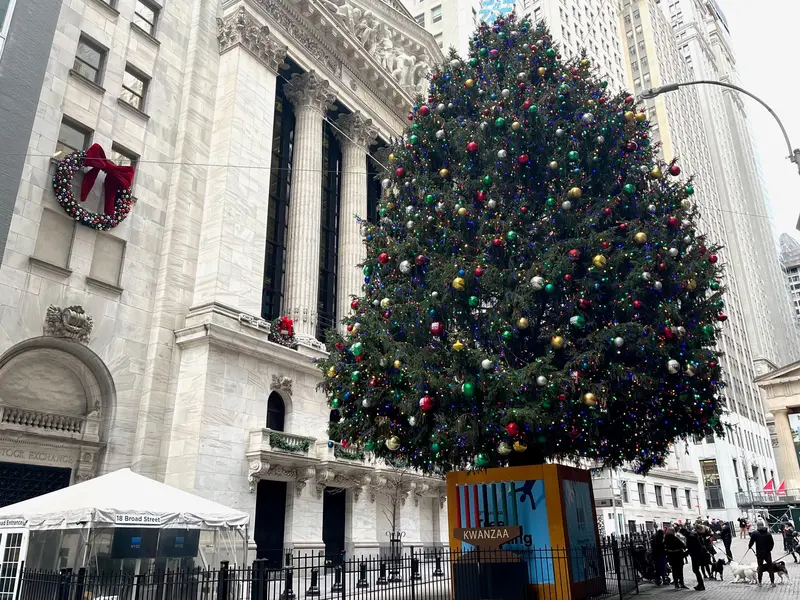
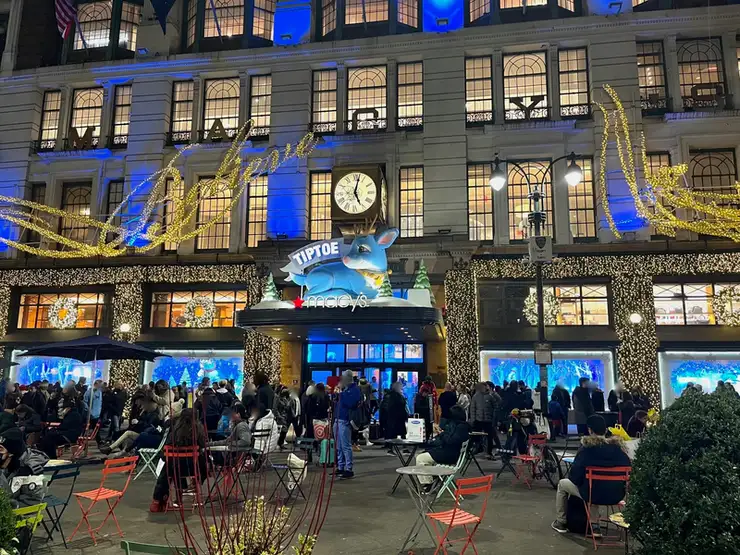
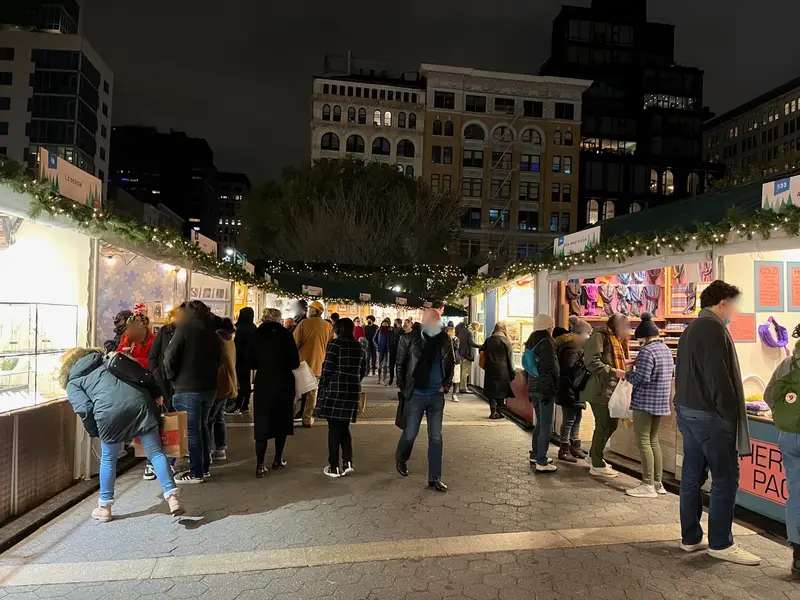
New York City, which had regained its vibrancy for the Christmas and holiday season after a year-long hiatus, has seen a dramatic change since last weekend, with Omicron stock surging and drastically altering the city's atmosphere. A New York-based writer reports from the scene on the trends for the 2021 winter Christmas season.
New York City, which had regained its vibrancy for the Christmas and holiday season after a year-long hiatus, has seen a dramatic change since last weekend as the Omicron strain of the virus has raged. People who had already been vaccinated are now testing positive one after another, and those around them are also becoming infected. According to the U.S. Centers for Disease Control and Prevention (CDC), 73% of the new infections confirmed in the week leading up to the 18th were due to the Omicron strain, raising concerns about the situation. Restaurants and bars in the city, which had been in a holiday mood, are beginning to close one after another, bringing to mind the pandemic of March 2020.
New York is currently experiencing a particularly high number of infections in the United States, and this situation is expected to spread throughout the country. This year's Christmas and New Year's holidays will likely be spent with family and loved ones.
The United States is once again experiencing the tension of the pandemic, and it seems that the changes in people's psychology since the pandemic began in March 2020 are also influencing Christmas. It is well known that the number of people who have become interested in environmental issues has surged due to the pandemic. There are many reasons for this, such as being forced to stay at home and becoming more aware of the amount of waste they produce, and noticing the air in big cities becoming cleaner as they stayed indoors, thus realizing the extent of air pollution. Meditation and mindfulness, which involve connecting with nature, have also become trends to calm the mind, and with more time on their hands, many people have sought to declutter and lighten their load by donating clothes they own, rather than accumulating possessions. The second-hand (used clothing) market has expanded rapidly due to the pandemic. According to Reuters, the second-hand market in the United States is expected to more than double to $76.4 billion by 2025.
We live in an age where people exchange secondhand items as Christmas presents.
According to Mercari's "Secondhand Holiday Report," a significant 72% of Americans are considering secondhand items as holiday gifts. Approximately 20 million people are purchasing secondhand items to avoid supply chain issues, and are projected to generate $7 billion in profits through resale. A high percentage (77%) of those surveyed in the report said they plan to purchase at least one secondhand item as a holiday gift.
In America, the emphasis on quantity in gifts, as seen in the way the base of the Christmas tree is filled with presents, is one reason why second-hand items are accepted as gifts. While it's a generous culture to give lots of gifts to family and friends during the holidays, recipients are aware that they might receive items they didn't want, so reselling unwanted items is seen as a positive act. Also, children's toys are likely to be outgrown by the following year, and many believe that second-hand clothing is perfectly fine for children who grow quickly. These choices are now considered sustainable and are positively received.
It's surprising that these second-hand gifts are seen as a huge opportunity to make money through resale, but as mentioned earlier, passing them on to someone else and using them again might be a sustainable act. 36% of those who receive gifts plan to resell them afterward, highlighting a growing "culture of not owning things," where even gifts are given away. Several reasons can be considered for the growing popularity of giving second-hand gifts at Christmas in America: 1. The pandemic has fostered a sustainable mindset, reducing resistance to second-hand gifts, even for holiday presents. 2. The growing culture of sharing has diminished the culture of ownership, making it commonplace to resell items after use and entrust them to another owner. 3. More people see a business opportunity in the economic cycle of reselling second-hand gifts and generating new profits. 4. Second-hand gifts are attractive in terms of price, fitting into the American culture of giving many gifts at Christmas.
Flea market apps are experiencing rapid growth in the United States.
Mercari, headquartered in Palo Alto, California, entered the American market in 2014 but has struggled ever since. Unlike Japan, where the delivery system is well-established and convenience store delivery is available, the US has a high rate of delivery problems, so Mercari focused on quickly developing a system to ensure smooth delivery. As a result, they partnered with UPS to offer the "Mercari Pack and Ship" service, where UPS sends sellers a shipping code, allowing them to pack and ship their items simply by bringing them to the UPS. These efforts to improve the user experience, combined with the lockdown in March 2020, led to a surge in sales, exceeding $100 million in monthly GMV (Gross Merchandise Volume). While this figure is extreme, it clearly indicates that there was a shift in consumer behavior towards shopping.
Not only Mercari, but other flea market apps are also showing strong performance. Poshmark, headquartered in Redwood City, California, listed on the Nasdaq in January of this year and is a noteworthy flea market app company with a market capitalization of $7.4 billion. Approximately 80% of its users are from Generation Z and Millennials, and sellers are free to list everything from new to used items, like owners of their own shops. In the United States, up-and-coming artists representing Generation Z, such as Olivia Rodrigo, also favor fashion that mixes vintage items, and the fact that younger generations also prefer a style that mixes affordable second-hand and vintage items with their existing or new clothes is one of the reasons for Poshmark's strong performance.
As second-hand items sold on platforms like Mercari, Poshmark, and eBay are increasingly viewed positively from the perspectives of trends and sustainability, second-hand items are naturally becoming a popular choice for holiday gifts.
Share this article
- Share on Facebook
- Share on X
- Share on LinkedIn



