跨境独立站开店
How to write a receipt: Issuing and handling receipts in accordance with the invoice system
When selling goods or services, you may be asked to issue a receipt by your clients. A receipt is a document issued to prove that money has been received, and it must be issued according to the rules, regardless of the type of company. Even if you are not an entrepreneur, you may be asked to issue receipts, so it is important to have basic knowledge about this.

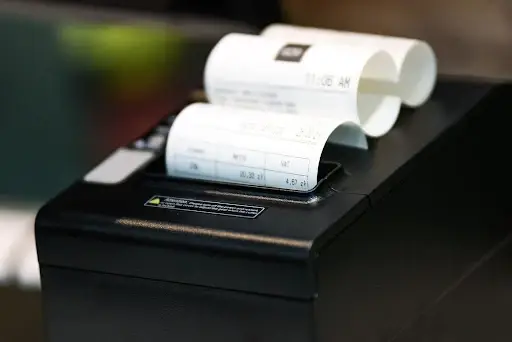
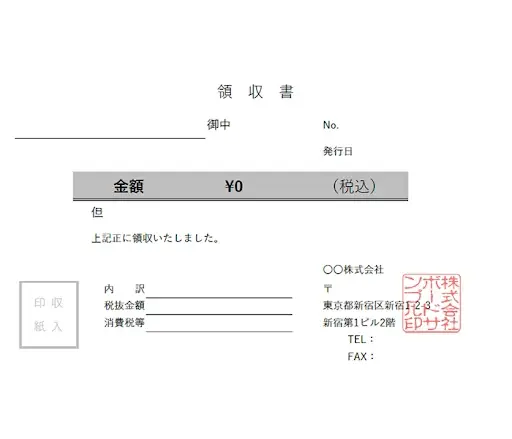

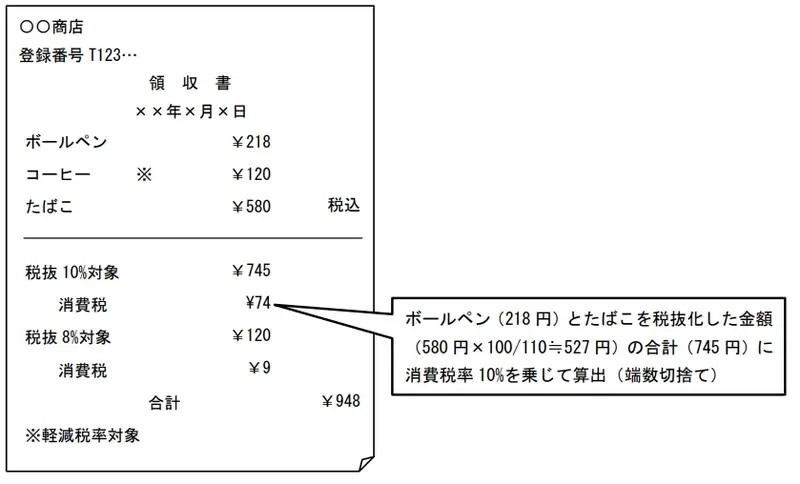


The difference between a receipt and a cash slip.
There are differences in the information contained in receipts and invoices. Both include details about the product, such as the price and purchase date, but receipts also clearly indicate the name of the purchaser.
How to write a receipt and points to note
There are two ways to write a receipt: handwritten or electronic. In either case, the following seven items must be properly included.
Proviso
The "notes" section of a receipt is where you specify exactly what you received payment for. Therefore, when writing the notes section of a receipt, you should avoid vague expressions such as "cost of goods" or "cost of goods," and instead write down specific items, such as "for the computer." If the items included are subject to reduced tax rates, this should also be clearly stated in the notes section.
Revenue stamp
For monetary transactions exceeding 50,000 yen, a revenue stamp must be affixed to the receipt. A revenue stamp is a small piece of paper that is affixed to taxable documents to pay stamp duty. Failure to affix a revenue stamp may result in a penalty tax of approximately three times the unpaid tax amount.