跨境独立站开店
What is a positioning strategy? How to develop a strategy and successful examples.
This article introduces the definition and methods of positioning strategy, along with successful case studies. Understand your brand and product's market positioning and utilize it in your marketing.






What is a positioning strategy?
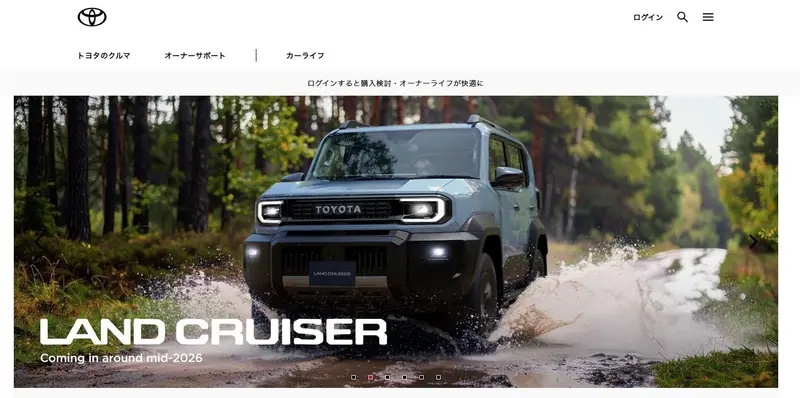
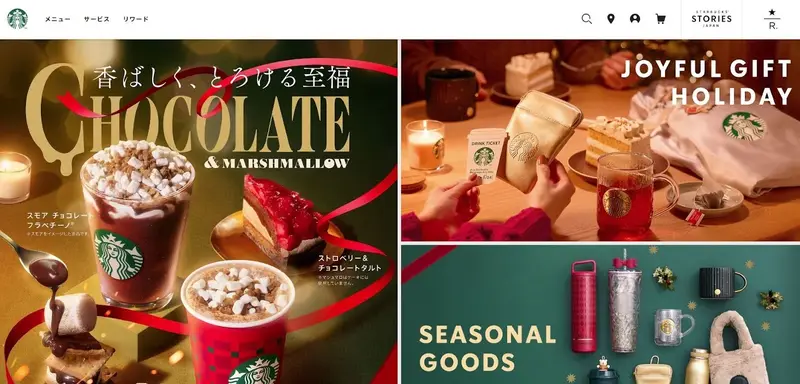
Positioning strategy is the process of clearly defining the position a company, brand, product, or service should occupy in the market. It involves identifying target customers and markets, identifying points of differentiation from competitors and competing products, and determining the optimal position for the company's brand or product to gain a competitive advantage.
1. Perform market segmentation.
To develop a positioning strategy, the first step is "market segmentation." This involves dividing the market into several groups called segments to understand their characteristics and needs. Market segmentation, also known as market subdivision, can be broadly classified into the following four categories.
2. Perform targeting.
We perform "targeting," which involves determining the segment that best suits your brand and product. This is the process of selecting the target group from within the market segments. By comparing this with market conditions obtained from market research and competitor analysis, it becomes easier to find the segment that can appeal most effectively. It is also important to focus on whether there is sufficient need and whether there is a competitive advantage. Furthermore, by creating customer personas, not only will the team be able to share a common understanding of the target group, but it will also be possible to explore more detailed needs.
3. Clearly define your company's unique characteristics and strengths.
This process clarifies the "uniqueness" and "strengths" that make customers choose your services or products. It focuses not only on features, quality, and characteristics not found in competitors' products, but also on the benefits and value gained from using them. By putting yourself in the customer's shoes and listing the points they find appealing, you can develop a more compelling positioning strategy. Clarifying these uniquenesses and strengths is also helpful in developing a unique selling proposition (USP).