跨境独立站开店
What is a POS system? We'll explain its functions, types, and the benefits of implementing one.
In recent years, the importance of improving operational efficiency and utilizing data has been increasing for retailers and e-commerce sites. Amidst labor shortages and the diversification of customer needs, there is a growing demand for systems that can centrally manage sales, inventory, and customer information. This is where POS systems come in handy. They can centrally manage all aspects of retail operations, from accounting and sales management to inventory management and customer management.

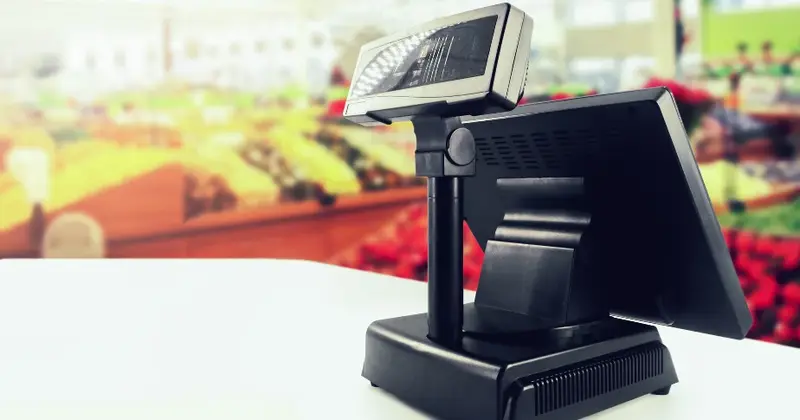



What is a POS system?
POS system stands for "Point of Sale system," and refers to a system that records and manages transaction information at the moment a product or service is sold.
Cash register/payment function
The register/accounting function is a fundamental feature of a POS system, enabling smooth product registration and payment processing. It quickly reads product information via barcode scanning or touch operation, and accurately handles automatic total calculations, discounts, and point application.
Sales management and data analysis
The sales management and data analysis function visualizes sales performance based on daily transaction data, enabling business decision-making. It automatically compiles daily and monthly sales trends, sales figures for each product, and trends by time of day, making it easy to identify best-selling products and peak hours.
Inventory and product management function
The inventory and product management function allows you to centrally monitor product inventory levels and sales status, enabling effective inventory control. Inventory levels are automatically updated as products are received or shipped, preventing manual errors and allowing you to check the latest inventory status in real time.