跨境独立站开店
What is web performance? Its importance and monitoring/measurement tools.
This article explains the meaning of web performance and its importance in e-commerce sites. Learn about factors that affect site performance and how to use useful monitoring tools to improve page loading speed and create a better user experience.

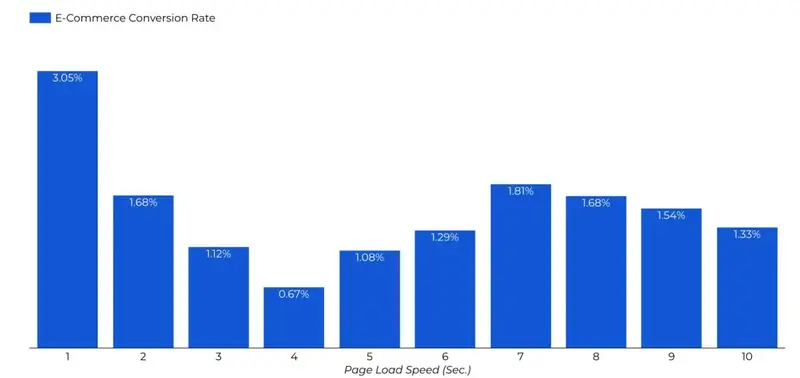
What is Web Performance?
Web performance refers to how fast and stable a website operates. This includes factors such as page load speed, server response time, and error rate. Since web performance significantly impacts the user experience, it's crucial to regularly monitor and improve it.
The Importance of Web Performance Optimization for E-commerce Sites
Web performance optimization is crucial because it directly impacts sales on e-commerce sites. For example, a Deloitte study reported that a 0.1-second improvement in mobile site loading speed resulted in an 8.4% increase in the conversion rate (CVR) of a retail site.
Page loading speed is slow.
The main reason for slow website loading speeds is the size of the page. Smaller page sizes mean less information is sent to the user, resulting in faster loading. Images, in particular, tend to take up a lot of space.
There is inefficient or outdated code.
Websites experiencing performance degradation often require a code review. In particular, bloated JavaScript and CSS, outdated custom code, and heavy theme files are typical causes of slow loading speeds and a poor user experience.