 跨境独立站开店
What is a value proposition? How to use and create one.
This article explains what a value proposition is, along with examples and how to create one. It also introduces how to create a value proposition canvas, which clearly defines the value offered to customers and your competitive advantage.







What is a value proposition?
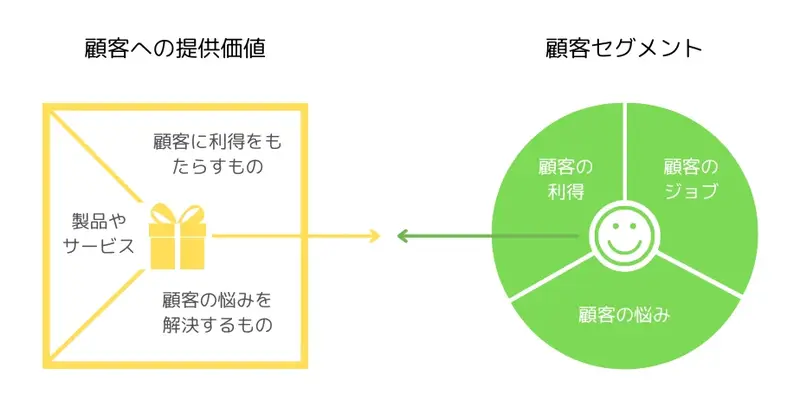
A value proposition is a message, or its components, that clearly communicates to customers what value their products and services offer and why they should choose their company over competitors.
Basic elements of a value proposition
By understanding these elements, you can clarify who you are delivering to, what you are delivering, and why, and build a message that resonates with your customers. Particularly important is to delve not only into superficial needs, but also into underlying dissatisfactions and fundamental challenges, and to communicate your company's unique strengths and achievements in a concrete and quantitative manner. A well-designed value proposition will gain trust and empathy, making it easier to translate that into actions such as purchases and contracts.
1. Understand your customers and competitors
To create an effective value proposition, it's crucial to understand what customers actually want, rather than getting caught up in what you perceive as your strengths or points of differentiation.
2. Think specifically about your company's strengths.
Clarity is essential in value propositions. No matter how appealing the language used, it's meaningless if the content is vague and doesn't get across. Therefore, value propositions need to be specific enough for customers to easily understand the value of the product or service.



