跨境独立站开店
User-Generated Content (UGC) Case Studies and Tips for Using Them in Marketing
Here are 7 examples of user-generated content (UGC). Learn how to utilize reviews, videos, and social media posts, as well as key points for building trust, to leverage user-generated content in your marketing.







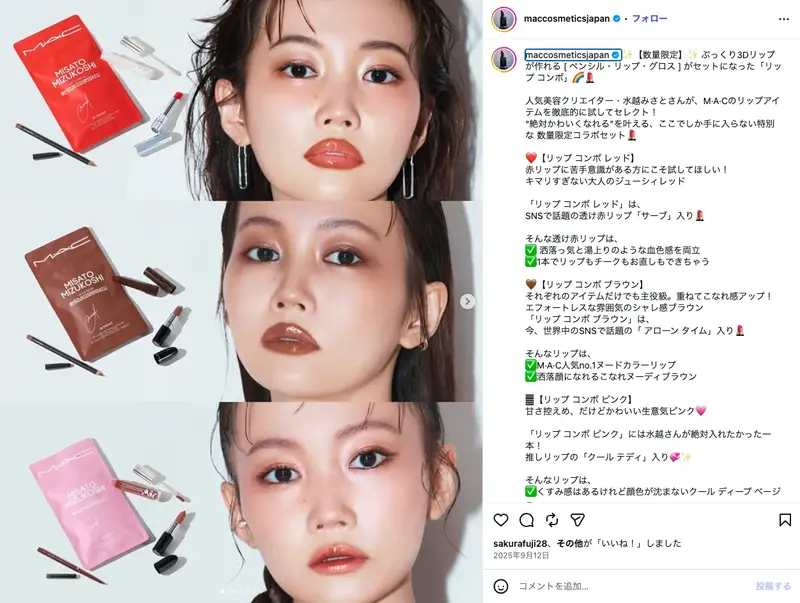
What is user-generated content (UGC)?
User-generated content (UGC) refers to content such as reviews, images, and videos posted by users about products and brands. Because it is information based on the experiences of actual users, consumers can learn about the user experience and honest evaluations that are difficult to grasp from advertisements alone, and it tends to be trusted by consumers.
The difference between organic UGC and paid UGC
The difference between organic UGC and paid UGC lies in whether the content is spontaneously created and shared by users, or whether it is produced at the request of a company.
Reasons why UGC has become important in recent years
User-generated content (UGC) is becoming increasingly important not only in product selection but also in corporate marketing strategies. This article explores the reasons behind this trend based on survey data.
Latest statistics on information consumers trust
User-generated content (UGC), including product reviews, has become an important factor in product selection. According to a consumer trend survey on beauty and skincare, the percentage of people who said they would be inconvenienced without product reviews increased from 54.8% in 2022 to 60.8% in 2025. In particular, reviews that convey a realistic experience, including not only specific content but also photos and videos, tend to be more trusted.