 跨境独立站开店
What are upselling and cross-selling? We'll explain how to do it and give you some tips.
Upselling and cross-selling are techniques that can improve the customer experience and increase sales. This article clearly explains how to implement and utilize upselling and cross-selling.

What is an upsell?
Upselling is a technique that involves suggesting higher-end products or options to customers who are considering purchasing a product, or to customers who have already made a purchase. By utilizing this technique, you can efficiently increase your average order value (AOV) without having to expend a great deal of effort on marketing.
Pre-purchase upsell and post-purchase upsell
Pre-purchase upselling is a proposition made to a customer while they are selecting a product or before they proceed to the purchase process. Since overly expensive upsells can be counterproductive for customers still considering a purchase, low-risk, easily accepted propositions such as free gifts or small additional options are more appropriate.
What is cross-selling?
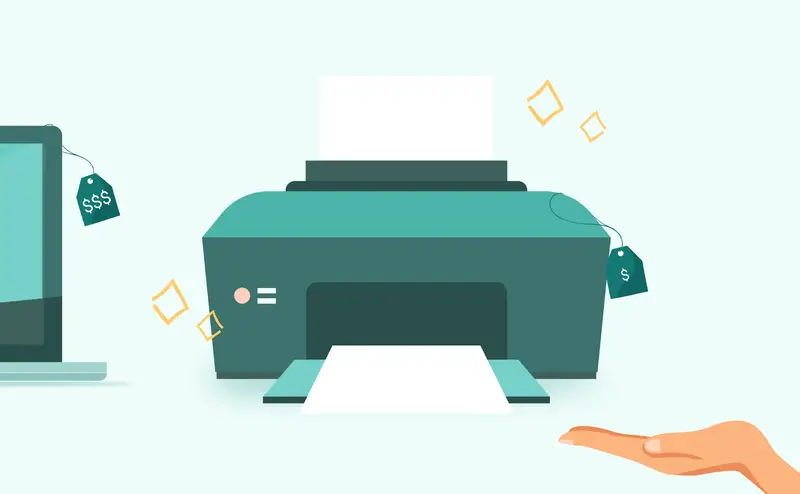
Cross-selling is a technique that suggests other products related to the product a customer is considering purchasing. While upselling aims to "upgrade" a product, cross-selling aims to encourage the additional purchase of related products.
The difference between upselling and cross-selling
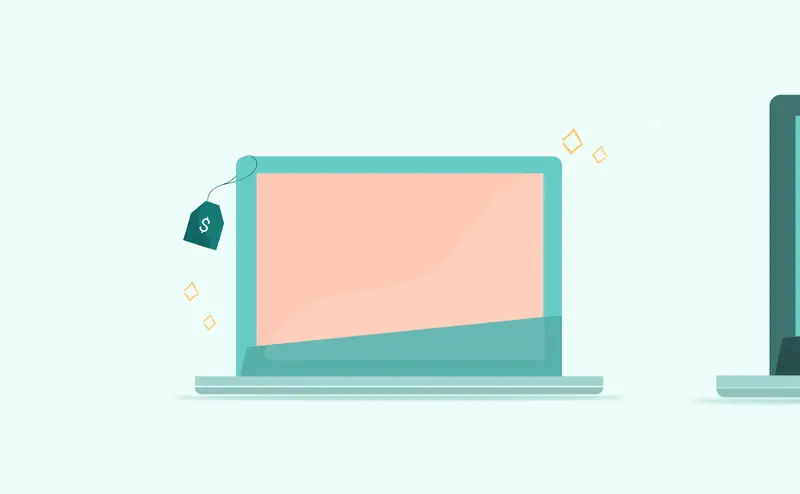
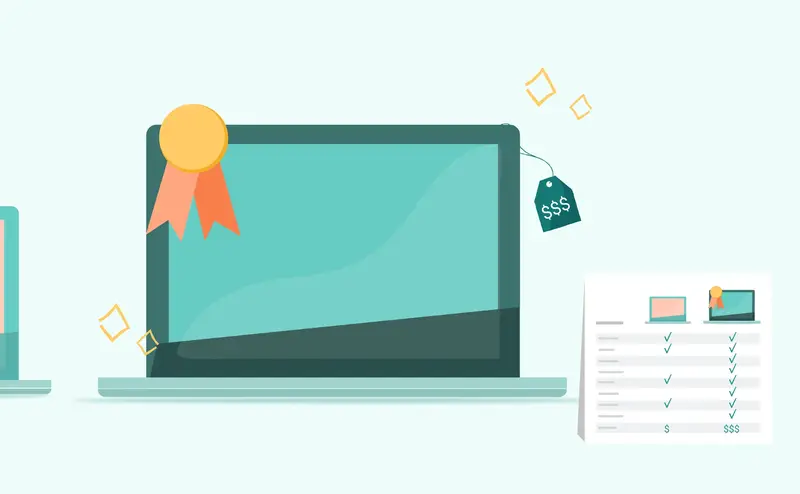
Upselling is a technique that involves suggesting a "higher-end product" or "higher-priced option" to a customer who is considering a particular item. The goal of this technique is to increase the purchase amount by offering a more valuable alternative than the current purchase. For example, suggesting a higher-end model with a powerful processor to a customer who has chosen a mid-range laptop is an example of upselling.



