 跨境独立站开店
What is a tiered pricing system? Explanation of its definition and types.
Implement a strategic tiered pricing system to increase average order value, attract a diverse customer base, and improve profitability.

What is a tiered pricing system?
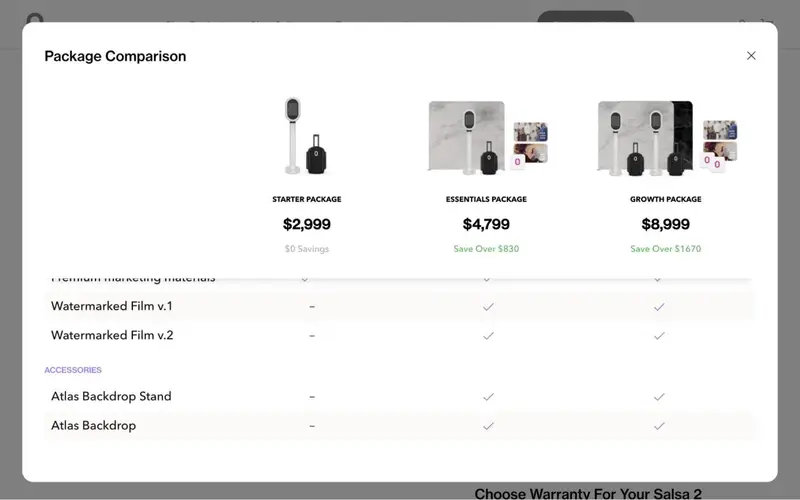
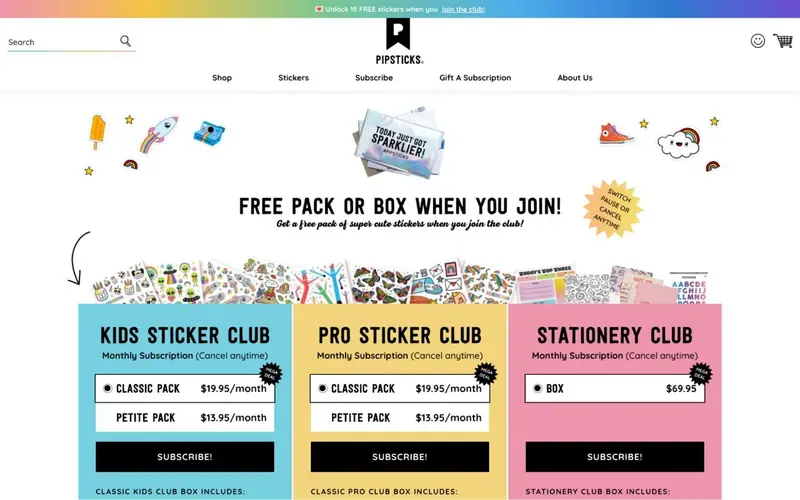
Tiered pricing is a strategy that sets different prices based on service level and purchase volume. It encourages high-value purchases while providing accessible options for customers who only need basic features.
The difference between tiered pricing and volume pricing.
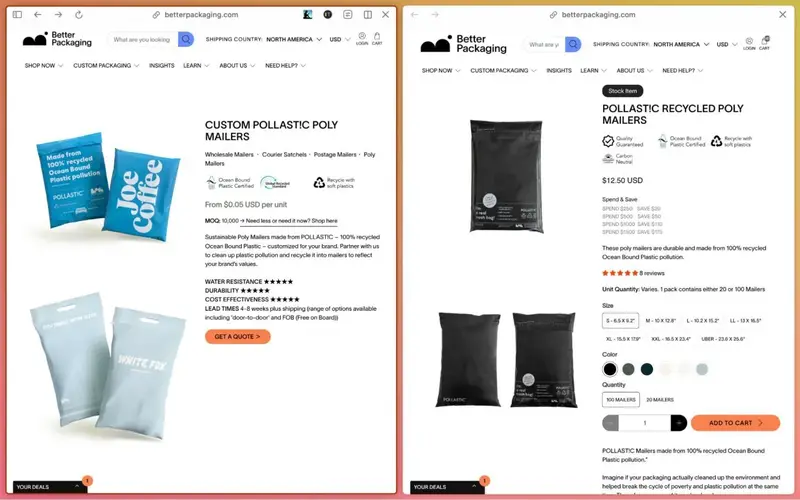
In terms of encouraging bulk purchases, tiered pricing and volume pricing are similar strategies. In this context, tiered pricing refers to a system where product quantities are divided into tiers, with the unit price decreasing as the tier increases.
Tiered pricing
There are various types of tiered pricing models. Customers either pay more for subscriptions with more features, or they pay a set price per unit within each tier, with prices typically decreasing as they move up the tier.
Volume pricing
Volume pricing systems simplify things for both customers and businesses. Buyers can accurately track unit costs as they scale, keeping their budgets predictable. Businesses benefit from streamlined invoicing, inventory planning, and order management, making operations more efficient.



