跨境独立站开店
What is store layout? An explanation of key points and traffic flow.
Whether you're planning a new retail store or considering renovating an existing one, an effective layout is essential. Store design shapes the customer's brand experience and directly influences their purchasing decisions.
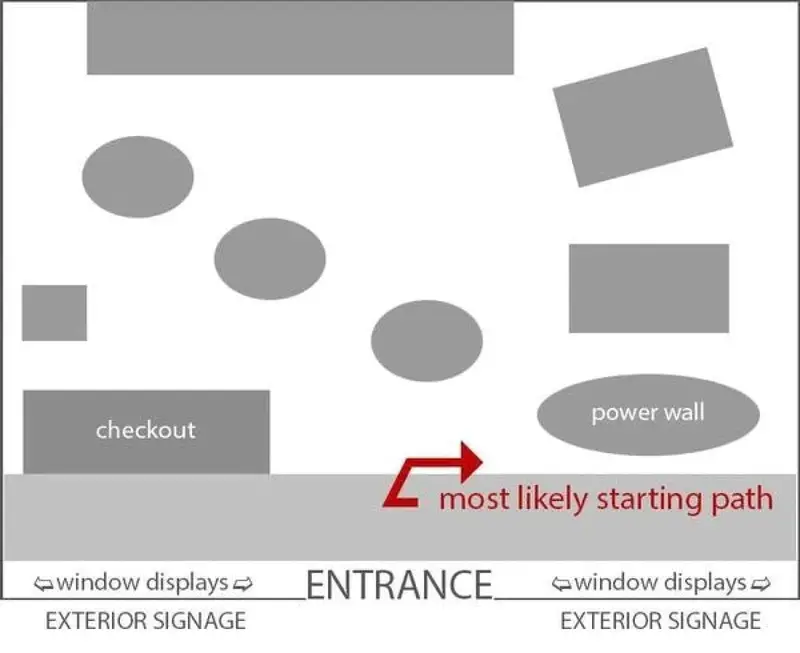
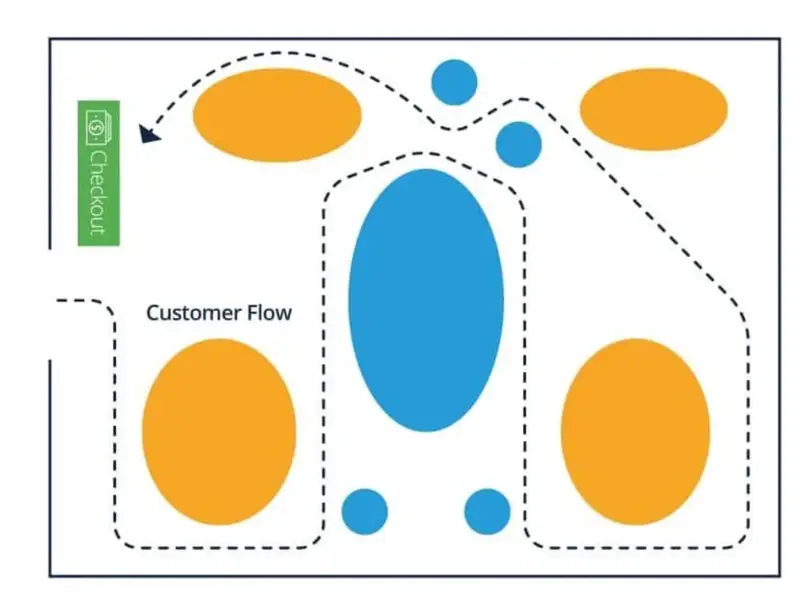
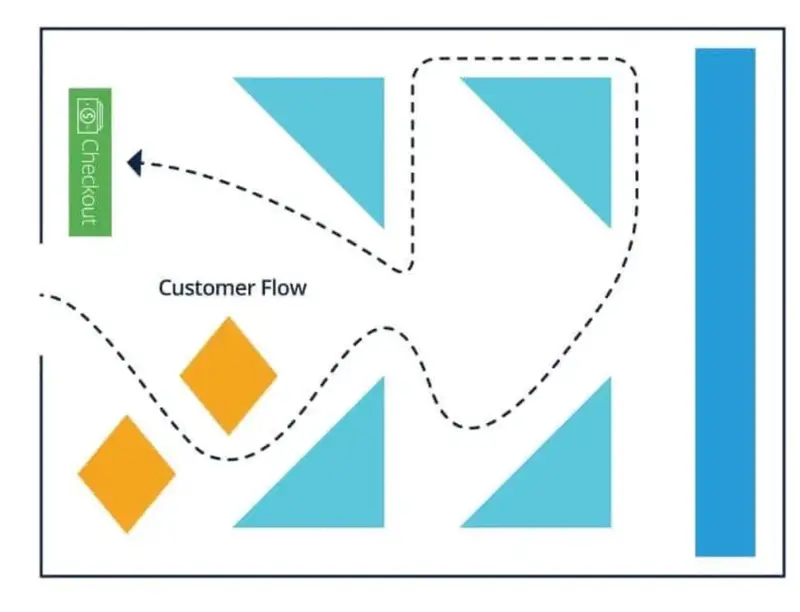
What is store layout?
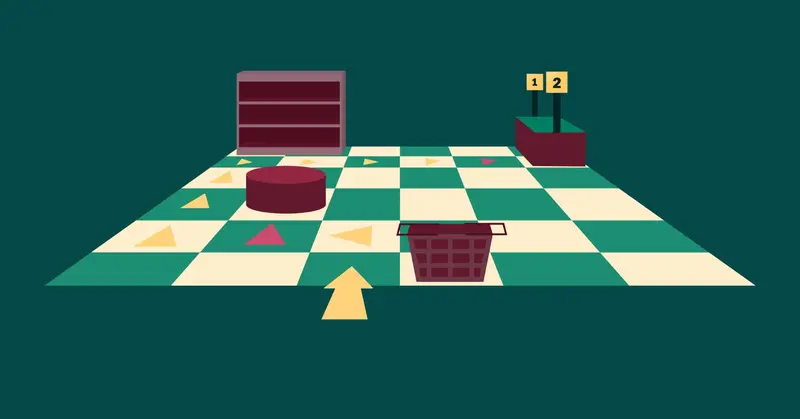
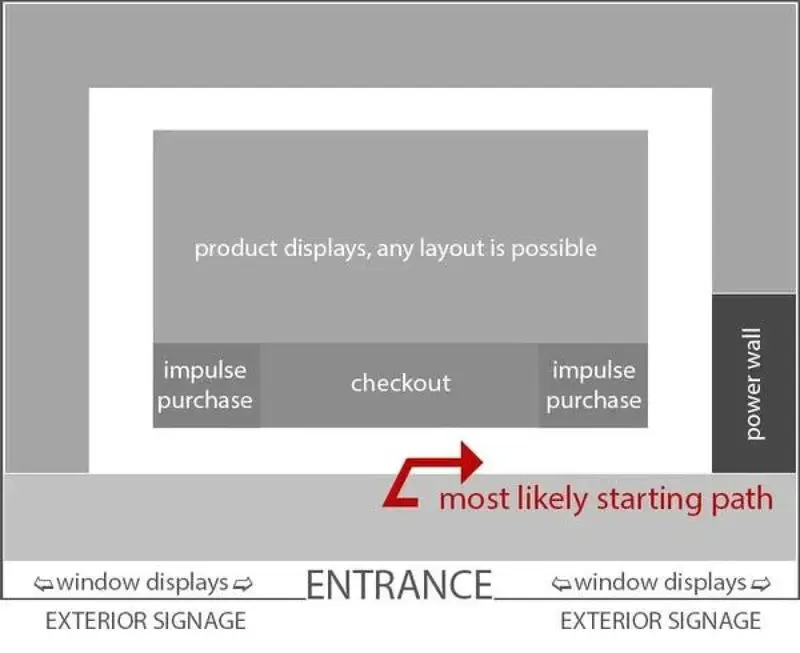
Store layout (also known as store design or layout design) refers to how retailers arrange product displays, fixtures, and merchandise within a store. This impacts the shopper experience in the store and the likelihood of purchasing displayed products.
The importance of store layout
Store layout influences whether customers are attracted to the store, how long they stay, which products have the highest sales rates, and whether they will return.
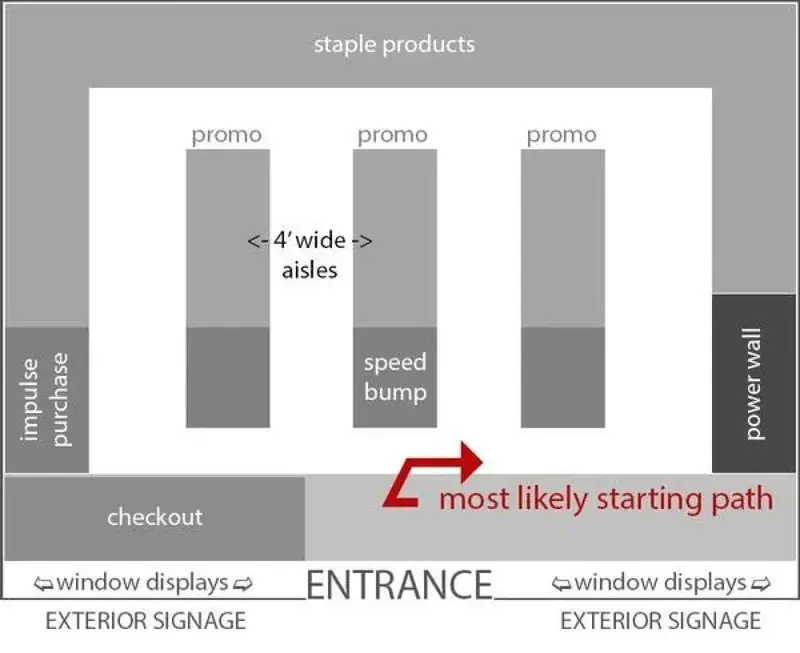
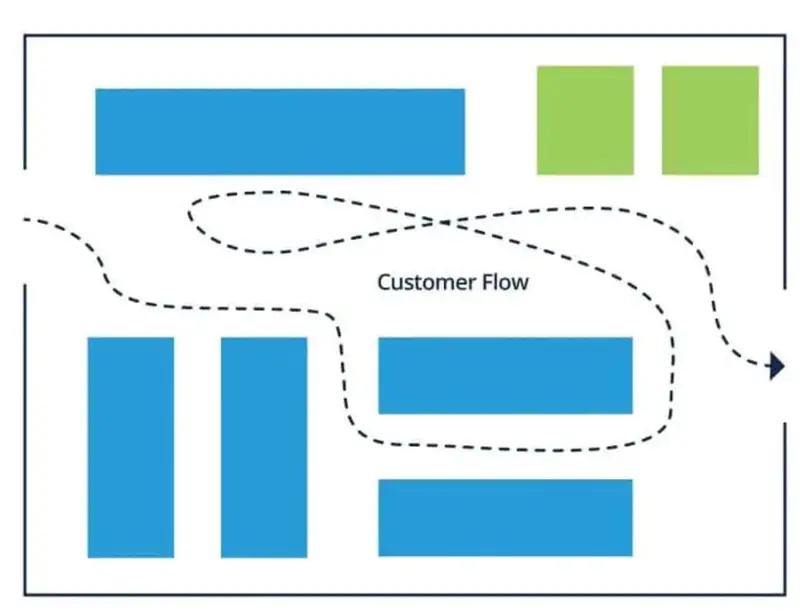
1. Grid store layout
In a grid layout, products are displayed in long aisles, and customers browse by moving up and down. The grid maximizes product display and minimizes dead space. Convenience stores, pharmacies, and grocery stores utilize this familiar layout.
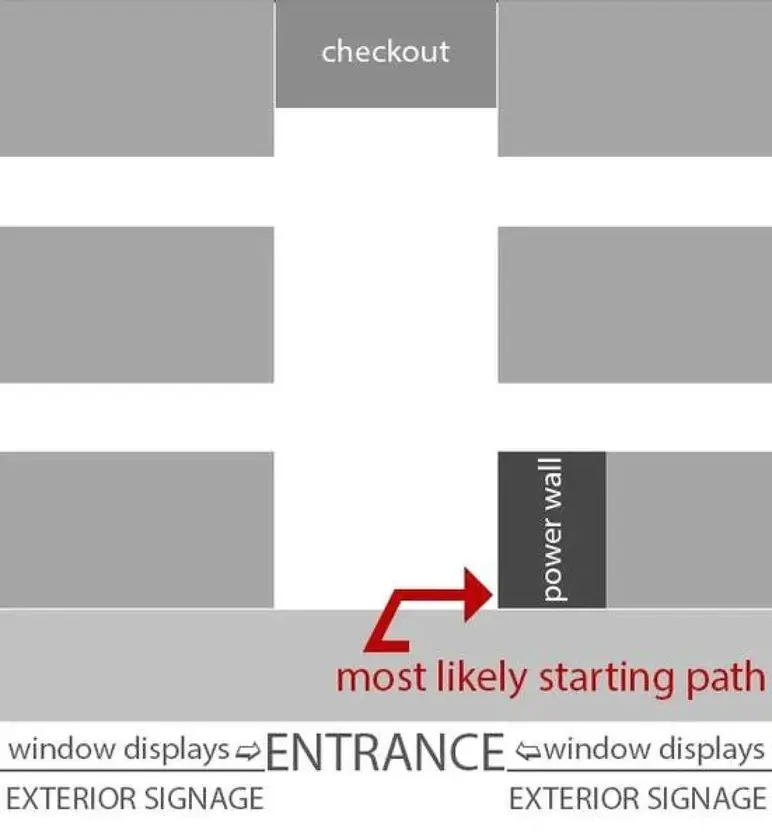
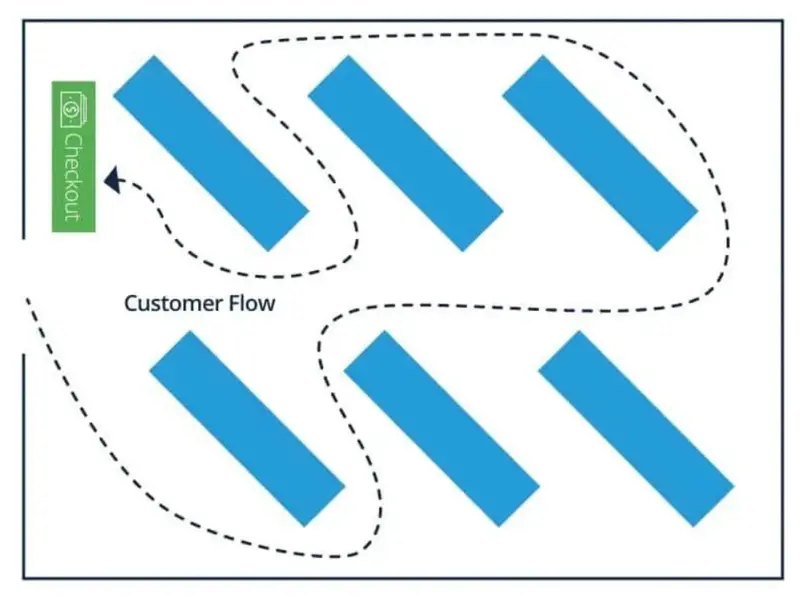
2. Herringbone store layout
While a grid layout might be ideal for your merchandise, a herringbone layout is worth considering if you have a very long and narrow store space.