 跨境独立站开店
Predictions for the Future of E-commerce: New Trends in the Evolving E-commerce Industry
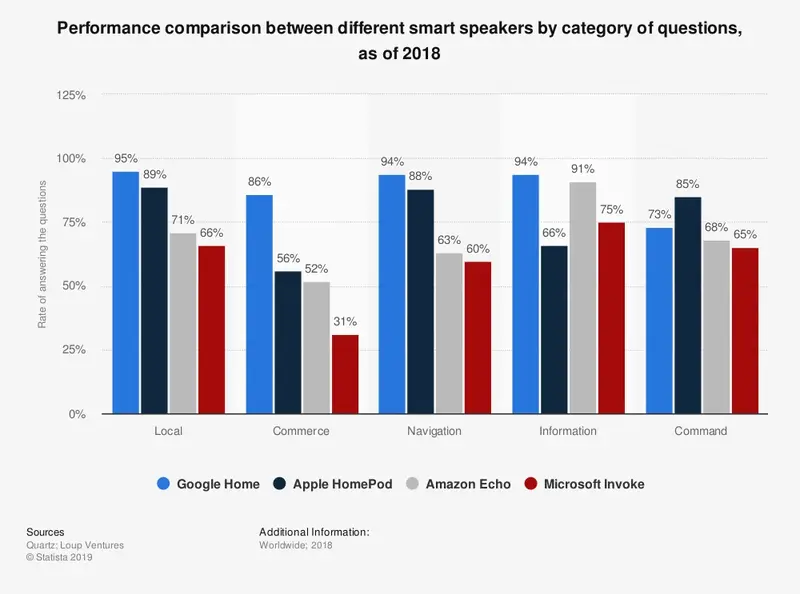
The "commercial resurgence" is happening everywhere right now. Leading digital-native brands are experimenting with voice commerce, exclusive pop-ups in partnership with luxury hotels in Las Vegas, and O2O experiences enabled by augmented reality (AR). Alongside headless commerce and progressive web applications (PWAs), the world is becoming a physical store as brands enable commerce through smart mirrors, video games, and live streaming.
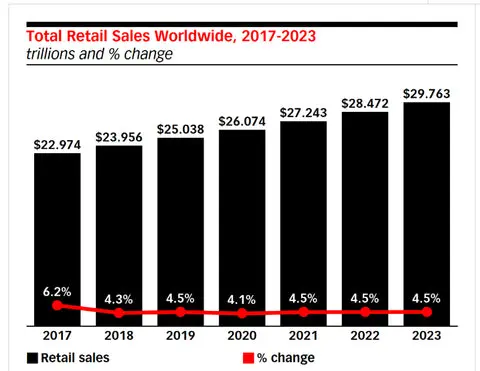
1. E-commerce accounts for the majority of the market share, but its growth is stagnant.
Although the lines between brick-and-mortar stores and digital commerce are becoming increasingly blurred, the differences in the growth trajectories of retail stores and e-commerce are still significant (though perhaps not as pronounced as in the past).
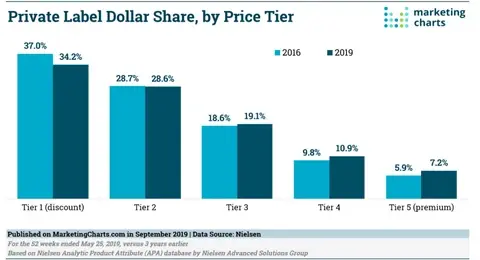
2. D2C and private label sales are accelerating.
In 2020, 16.1% of total retail sales were projected to come online, and manufacturers and traditional brands are gradually shifting away from retail stores and selling directly to consumers. In fact, it is the growing e-commerce market that is compensating for the sluggish store sales of traditional manufacturers.
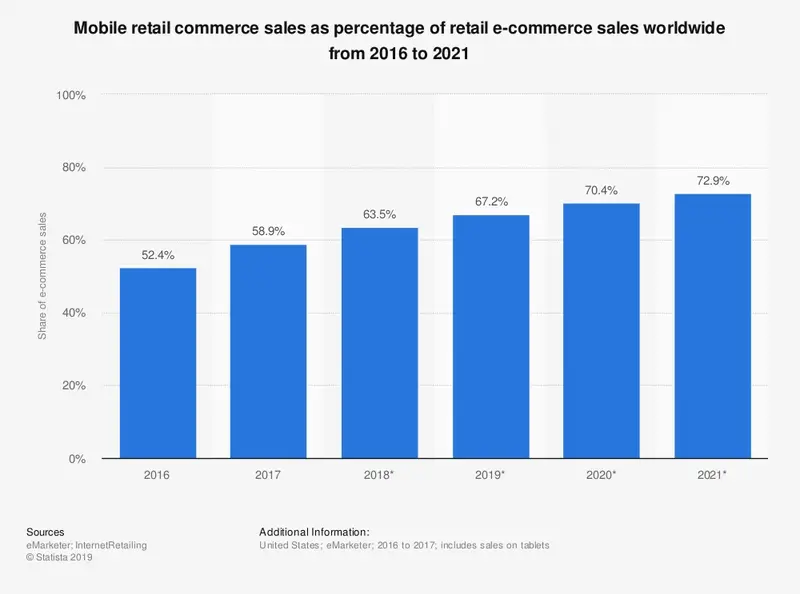
3. PWA (Progressive Web Applications) and AMP (Mobile Page Acceleration) are driving mobile commerce.
Analysts predict that by 2021, 53.9% of total e-commerce sales will be conducted via mobile devices. Globally, mobile commerce is expected to become widespread.
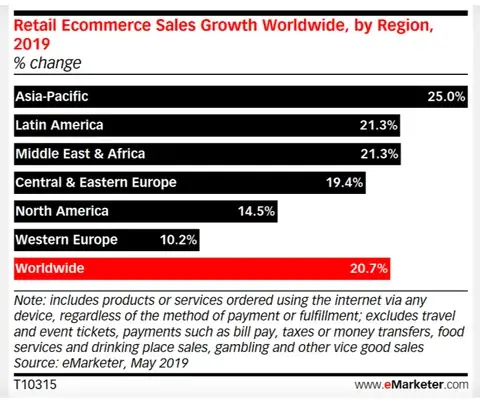
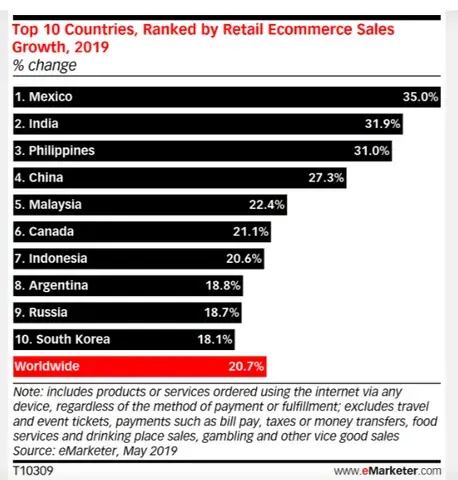
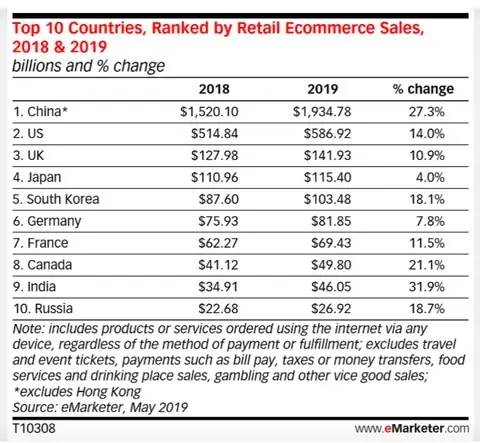
4. Global e-commerce is growing rapidly outside the United States.
Global e-commerce sales are projected to reach $4.2 trillion in 2020 and $6.5 trillion in 2023. Furthermore, it is predicted that by 2021, more than 2.1 billion shoppers will be purchasing goods and services online. The number of online shoppers residing outside the United States is also increasing daily.



