 跨境独立站开店
The US subscription market is seeing increased demand during the COVID-pandemic: E-commerce trends from New York – Subscription Edition
As November and December began, the United States continued to face a tense situation, with a highly anticipated presidential election boasting a once-in-a-century high voter turnout, coupled with the relentless increase in coronavirus cases that showed no signs of abating. While lockdowns have reportedly resumed in various European cities, the United States is no exception, and life remains largely restricted.

As November and December began, the United States continued to face a tense situation, with a highly anticipated presidential election boasting a once-in-a-century high voter turnout, coupled with the relentless increase in coronavirus cases that showed no signs of abating. While lockdowns have reportedly resumed in various European cities, the United States is no exception, and life remains largely restricted.
We recently announced that Shopify now allows you to offer subscription experiences directly within the checkout process. This feature will enable a smoother subscription checkout experience going forward. By gradually addressing these merchant needs, we anticipate that subscription experiences will become more convenient in Japan as well, and that demand for them will grow.
In the United States, subscription services have already been introduced for a wide range of services, but they are growing in the new normal of consumer behavior during the COVID-19 pandemic. According to a report by Forbes magazine, the number of people using subscription services has increased since March, when lockdowns began. Because people were forced to stay at home more than in Japan, they spent more time at home, and the shopping experience shifted online. These results are certainly due to a change in purchasing behavior. Looking at the research results from Google Trends, the number of research results for "subscription box" has increased sharply since March 15, when lockdowns began in various parts of the United States.
Subscriptions are also a new normal shopping experience.
At the beginning of the lockdown, the subscription service that attracted the most attention was video streaming, exemplified by Netflix. As people spent more time at home, they began watching more movies and TV dramas, leading many to subscribe to video streaming services. I believe this phenomenon is similar in Japan. American subscription services cover a wide range of genres, from familiar ones like newspapers and video streaming to home cooking kits, cocktail kits, sweets, books, children's toys, educational services such as webinar access, and clothing rentals. For women, there are skincare and cosmetics, and even unique services that deliver different designs of shorts every month. For men, grooming and shoe repair services are prominent.
As people continue to stay at home and there is a demand for new shopping experiences, subscription services are gaining popularity for the following reasons:
- Every month brings surprises and discoveries, all from the comfort of your home.
- Professional editing allows you to try products you've never tried before.
- Trying new products can lead to new discoveries and help you realize the breadth of your own preferences.
While the vast size of the United States contributes to a high demand for online shopping, subscription services that incorporate entertainment elements are certainly attracting customer interest.
A competitive society where winners and losers emerge.
While it's true that subscription services have grown during the COVID-19 pandemic, there are winners and losers. Brands that have turned this new normal into an opportunity, and those that have pivoted their business models in the face of difficulties, are showing strong performance. Because subscription services cater to luxury demand, it is said that as they become more expensive, they are more likely to be canceled during the recession caused by COVID-19. Products that have seen increased sales during the pandemic are everyday necessities such as home cooking kits.
According to a survey by CouponFollow, one in five people surveyed (over 1,000 respondents) started using a subscription service since March, when people began staying at home. The most popular subscription services include HelloFresh (21%), BarkBox (20%), and Blue Apron (19%). Tippsy, America's largest sake subscription service, says its sales have increased by 500% since March, as people who previously only bought alcohol at liquor stores have started buying it online.
MasterClass, which sells online courses featuring prominent figures such as American Vogue editor-in-chief Anna Wintour and chef Gordon Ramsay, has been doing exceptionally well this year and is constantly making headlines. A monthly subscription of $15 or an annual subscription of $180 allows users to listen to lectures by celebrities and download workbooks, effectively meeting the increased demand for learning opportunities during the pandemic. According to Bloomberg, the company raised 10.7 billion yen in a Series E funding round in May and is expected to focus on further expanding its content.
Interview about a subscription service using Shopify
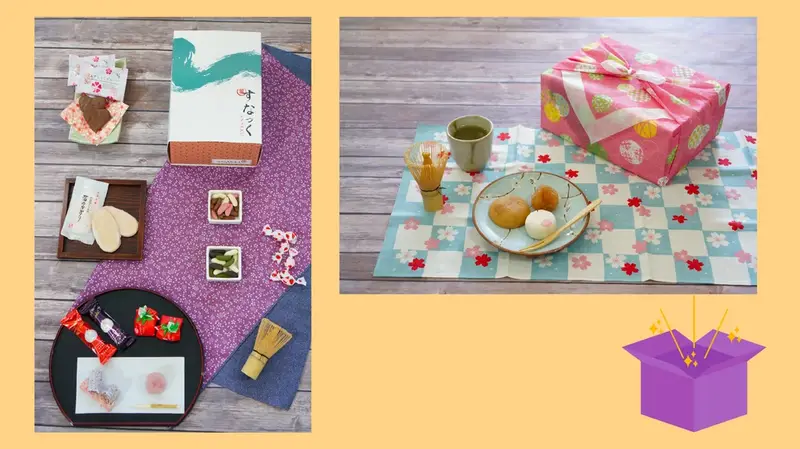
Shigeki Abe, the founder of "snakku," a New York-based subscription service for Japanese snacks, actually uses the Shopify platform to run his website.
Q. What was theきっかけ (trigger/reason) for starting snakku?
Whenever I returned to the US from Japan, I always brought back Japanese sweets, and I knew they were popular with Americans. 2015 was the year of the subscription boom, and I started a subscription service because it automatically renewed, bringing back customers every month, making it easier to create a business plan and less risky. Japanese sweets have more variety than any other country, with all 47 prefectures selling their own original sweets. I haven't seen any other country like it. And because of the four seasons, I can always deliver sweets with a fresh image through a subscription service.
Q. What are snakku's strengths?
Since we launched, the number of competitors selling Japanese sweets has increased. However, we believe that snakku has a higher Customer Life Value (CLV) than other companies. This is true not only for the quality of our sweets, but also for the high quality of the experience we provide to our customers. We have increased touchpoints for communication with customers, such as the smooth refund process, the use of recyclable furoshiki (wrapping cloths) for packaging, and the frequent sending of blog emails. We also offer a service of including a Japanese travel guide in the box, which has been well received.
Q. Have there been any changes in sales since the pandemic began?
Sales increased in April, but haven't changed much since then. In this situation, transportation options from overseas have been drastically cut. Cargo flights have also decreased, so transportation costs have increased significantly. Many businesses cannot survive without passing these costs on to their customers, so I don't think it's fair to say that subscription services are growing during the pandemic. Not only Japanese sweets, but anything that has packaging materials or other components produced overseas is now difficult to ship to the United States.
Q. Have you ever pivoted in a situation like that?
Amazon has launched a virtual travel experience service, and as a result, they've started a program where customers who purchase this service will receive a special box created in collaboration with snakku. Pivoting is often difficult, but in situations like this, it's a necessary choice.
Q. Will you be using Shopify's new features to offer subscription services in the future?
I heard the news the other day, and I need to compare it with the features I'm currently using. The reason I originally chose to use the Shopify platform was that, in addition to strengthening my content, Shopify has many features, and the ability to add Shopify features through the app store was the deciding factor. Currently, I use Shippingeasy (a US merchant-only app) for logistics management, but if using Shopify's features can help reduce costs, it would be very appealing. Also, customer analytics are important for subscription businesses. Currently, regular customers can be analyzed on Shopify, but subscription users are analyzed on ReCharge. I hope that by consolidating subscription checkouts on Shopify in the future, I will be able to analyze customers more comprehensively.
Share this article
- Share on Facebook
- Share on X
- Share on LinkedIn



