 跨境独立站开店
What is a self-checkout system? This article explains the advantages and disadvantages of implementing self-checkout systems in stores and how to utilize them effectively.
Self-checkout systems that allow for contactless transactions are rapidly becoming widespread. This article provides a detailed explanation of their features, mechanisms, advantages and disadvantages of implementation, and the process of introducing them.
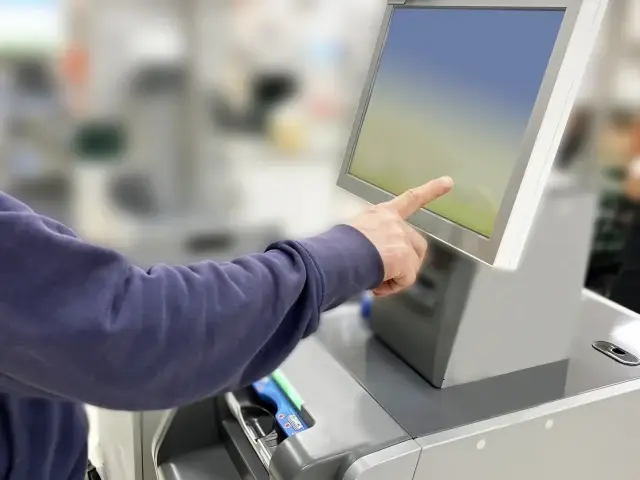
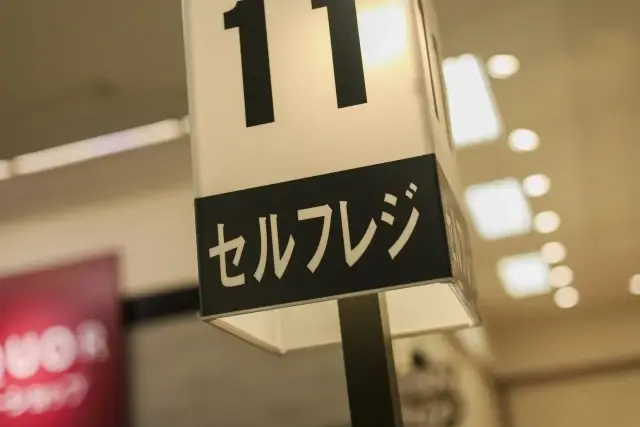
Features of self-checkout machines
When starting a business, you need to install various pieces of equipment, one of which is a cash register. Recently, more and more stores are introducing self-checkout systems, so some people may be wondering whether to install a manned cash register or a self-checkout system.
What is a self-checkout?
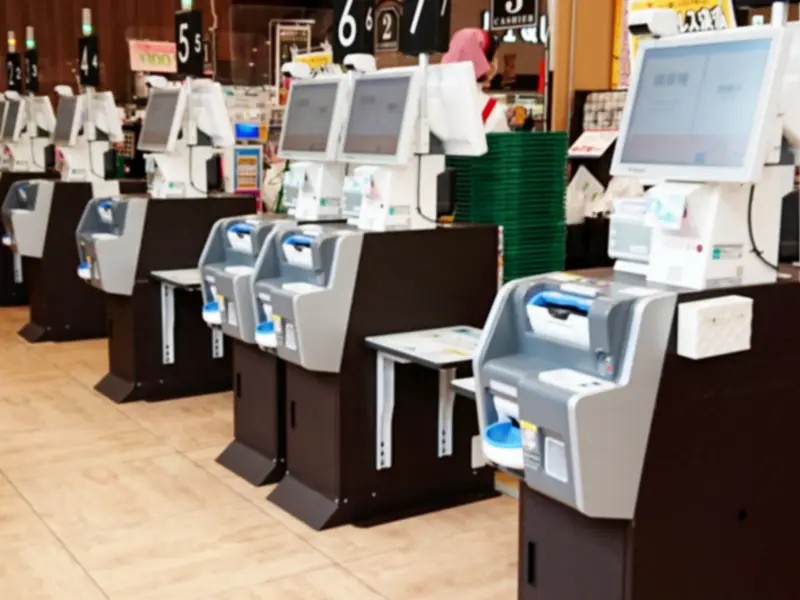
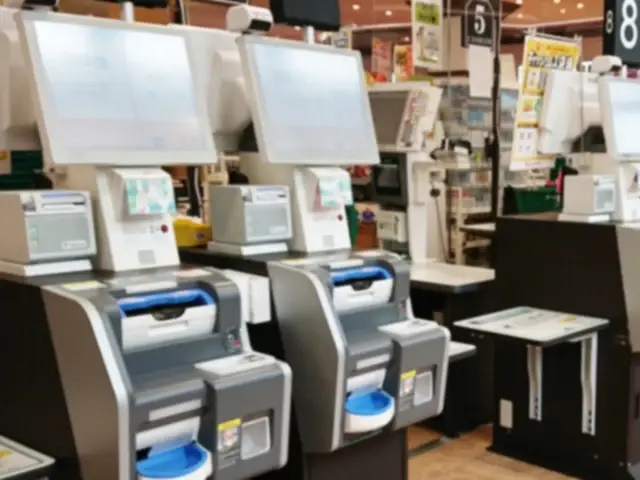
A self-checkout system, as the name suggests, is a checkout system where customers scan product barcodes and pay for their purchases themselves. When self-checkout systems were first introduced, they were mainly found in convenience stores and supermarkets, but recently they have started to be adopted in clothing stores, restaurants, and other establishments as well.
The difference between self-checkout and manned checkout
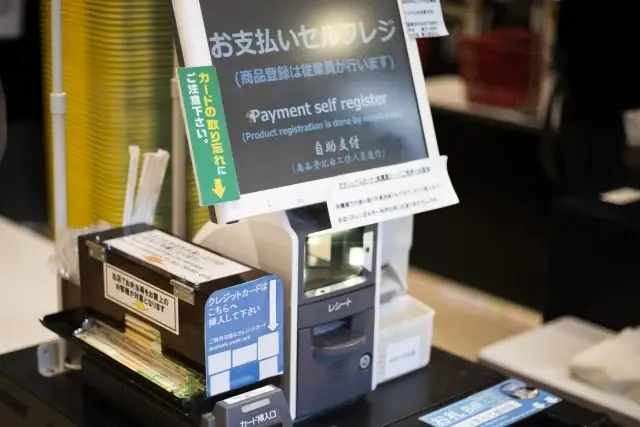
As mentioned earlier, there are two types of self-checkout systems: fully self-checkout and semi-self-checkout, but in both cases, the customer performs some or all of the operations.
How does a self-checkout system work?
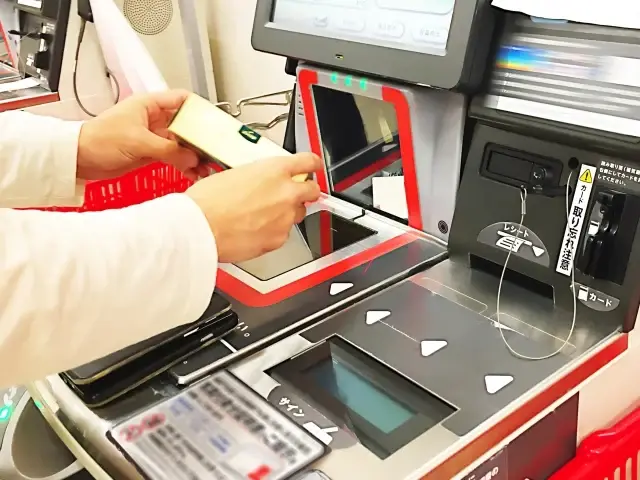
Cash registers are equipped with a device called a "scanner" that reads products. There are mainly two types of scanners used in self-checkout registers: one that reads product barcodes, and another that automatically reads the contents of the shopping basket using IC tags.



