 跨境独立站开店
Overview of the resale program and how to resell products.
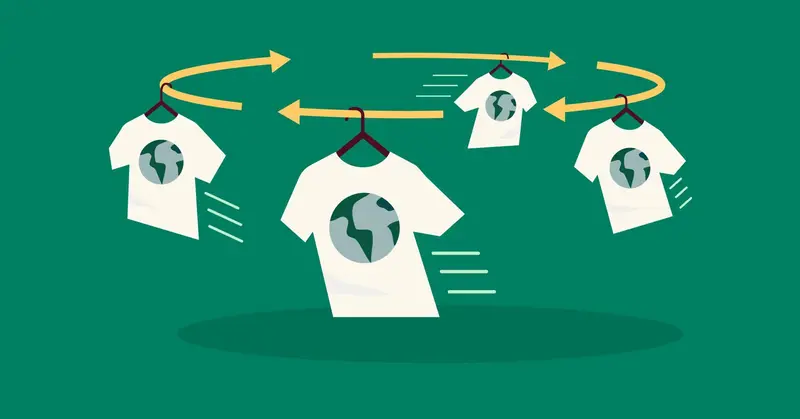
As the global environment changes, consumer purchasing behavior is also evolving. 77% of Americans are concerned about the environmental impact of the products they buy, and retailers are rethinking their business models to improve both the planet and profitability. Many retailers are focusing on the transition to a "circular economy" to address the increasing waste, particularly in the fashion industry. This is a system that emphasizes repairing, reusing, and recycling existing materials and products for as long as possible. Many companies are now leveraging this trend by launching buyback, trade-in, and upcycling programs. This strengthens their sustainability efforts while simultaneously enhancing brand value.
What is a resale program?
Resale programs typically go through organized buyback, trade-in, or upcycling programs. This allows customers to return used items, often in exchange for cash or store credit. Retailers then clean the items and resell them in-store or online at a discounted price.
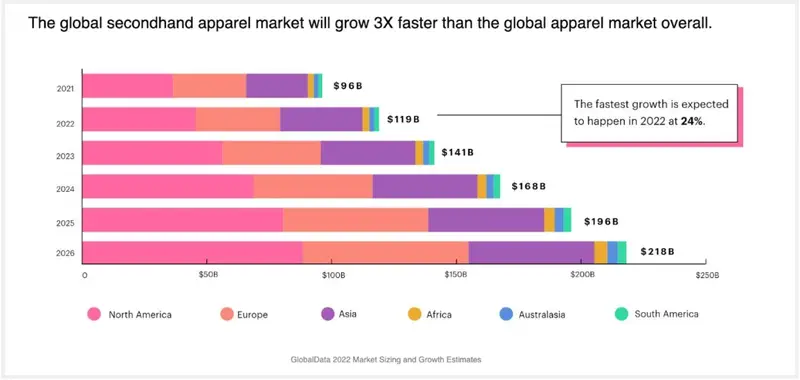
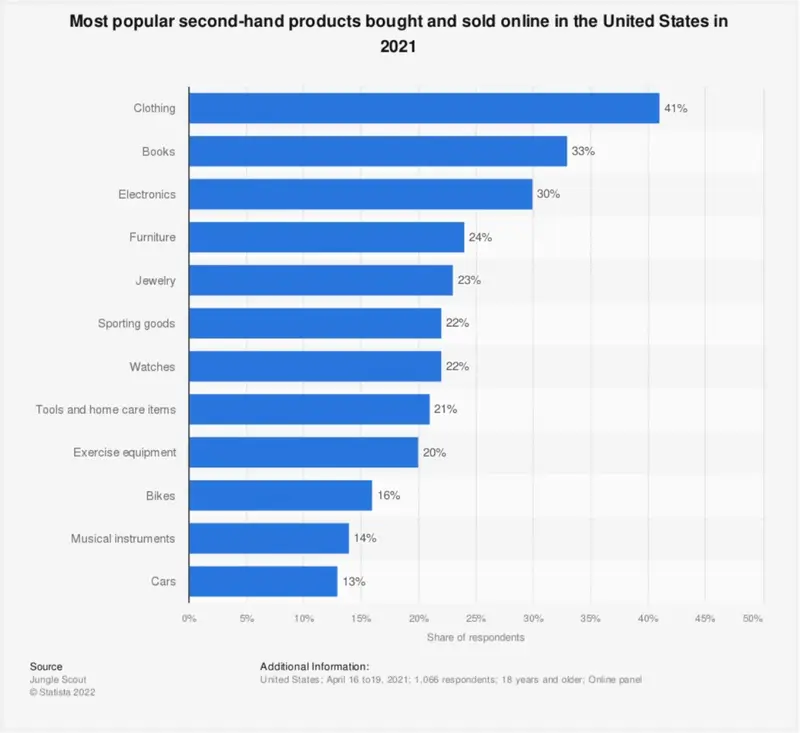
What is the size of the resale program market?
The planet is changing, and so are consumer purchasing habits. 77% of Japanese people are concerned about the environmental impact of the products they buy, and retailers are rethinking their business models to improve both the planet and their own balance sheets.
Advantages of a resale program
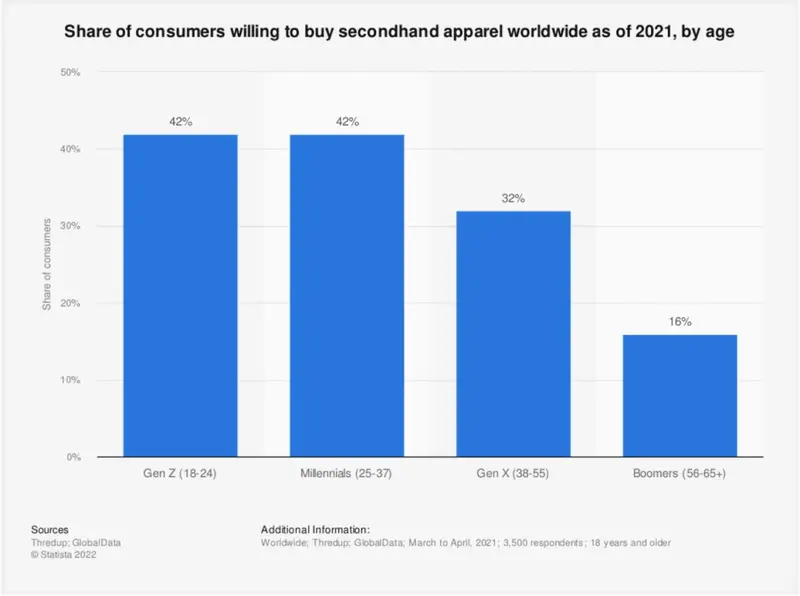
Attracting price-sensitive consumers: Consumption is trending downwards due to the effects of the recession. For premium brands, selling secondhand goods is a way to attract price-sensitive consumers. Once they try the product, it becomes easier for them to become full-price consumers.
Types of resale programs
Buyback Programs: Buyback programs encourage customers to return items they previously used and loved, and offer a partial refund of the purchase price. For example, a customer who returns a previously purchased phone charger could be offered points that can be used for their next purchase.



