跨境独立站开店
What are product attributes? Examples and how they can be used in marketing and inventory management.
This section explains the meaning and specific examples of product attributes. Understand how to utilize them in marketing and product management to make optimal customer recommendations and improve searchability.

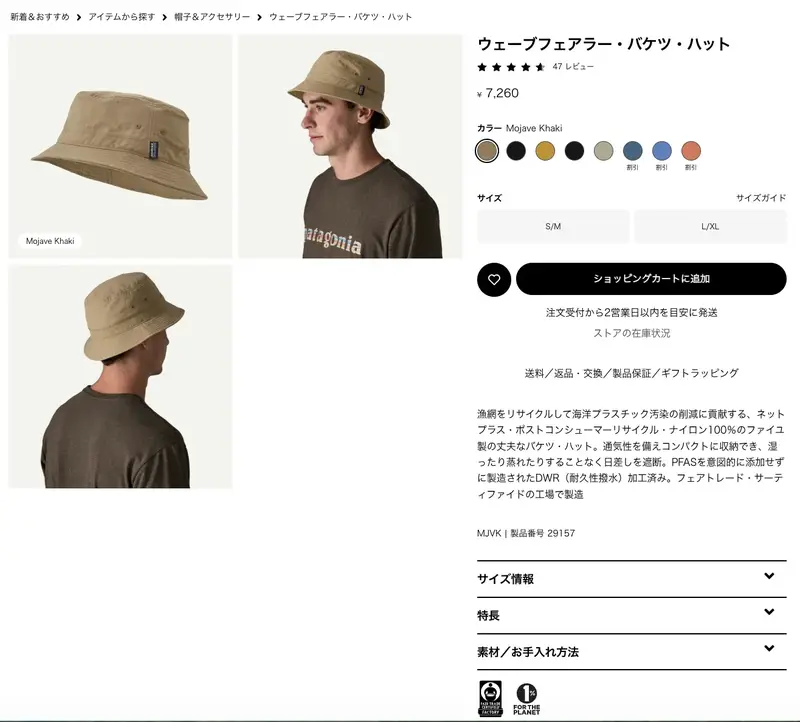
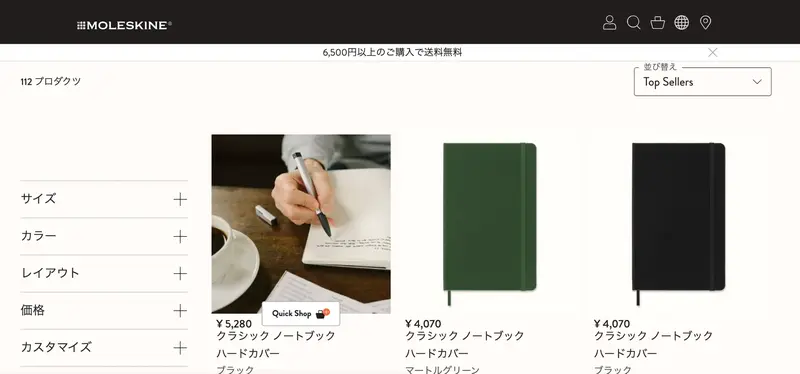
Product attributes are
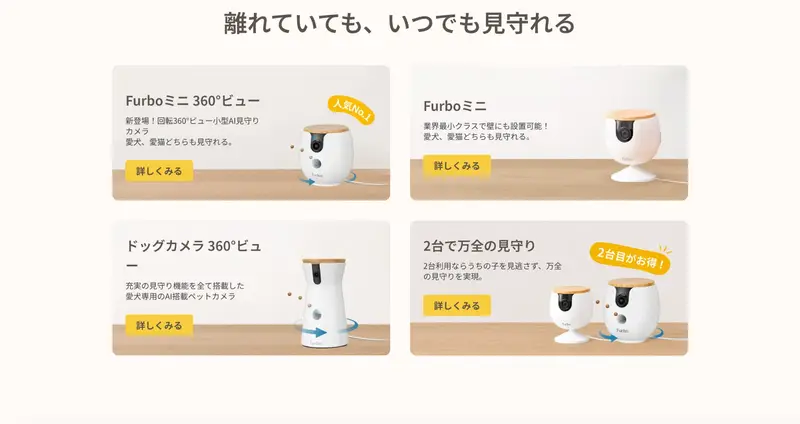
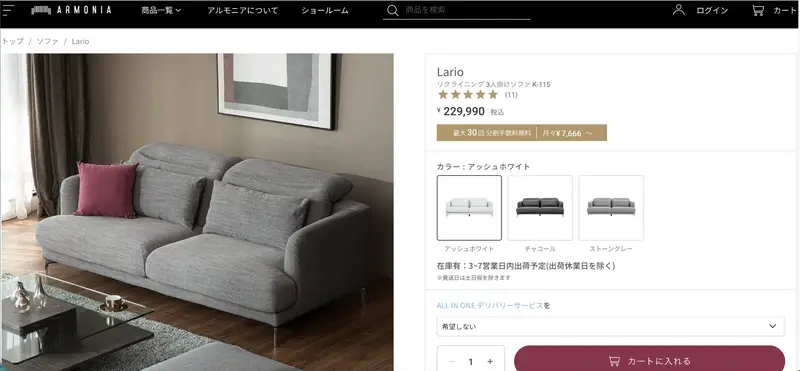
Product attributes describe the function, role, and characteristics of a product. Specifically, they include the product's size, color, material, and features. Product attributes can be broadly categorized into the following three types:
1. Product name
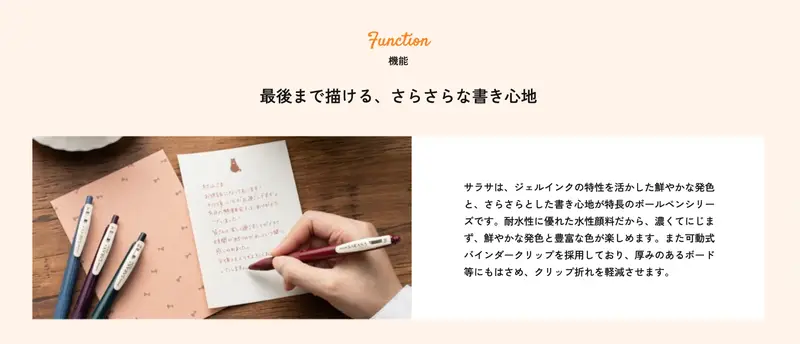
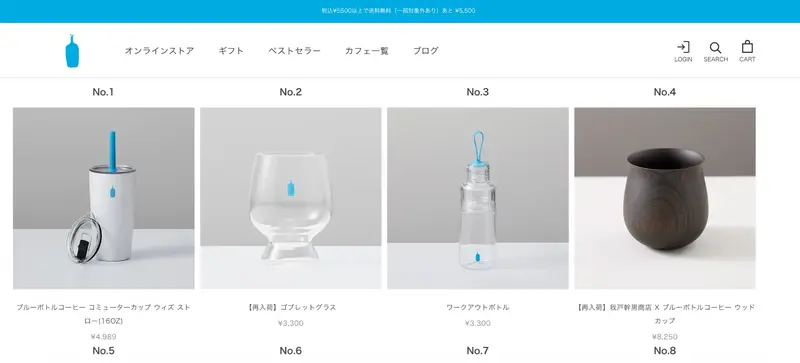
Product names are crucial for differentiating a company from competitors and increasing brand awareness. When devising a product name, it's effective to include not only memorability and ease of pronunciation, but also a USP (Unique Selling Proposition) that highlights the strengths of the brand and product. For example, Zebra Co., Ltd.'s "Sarasa" gel ballpoint pen series is a good example of how the product's characteristic "smooth writing feel" can be clearly and concisely expressed in its name.
2. Quality
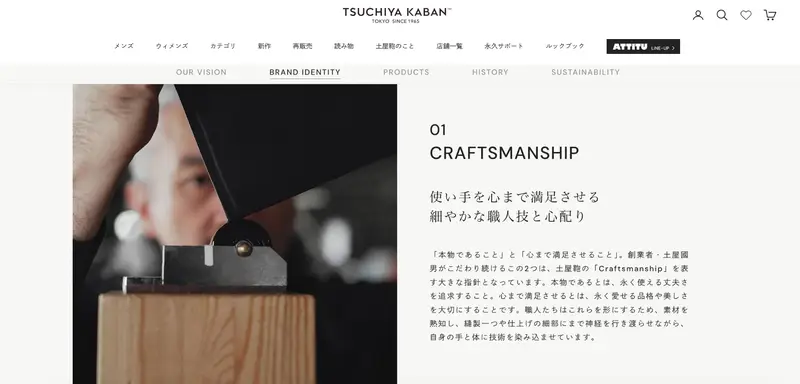
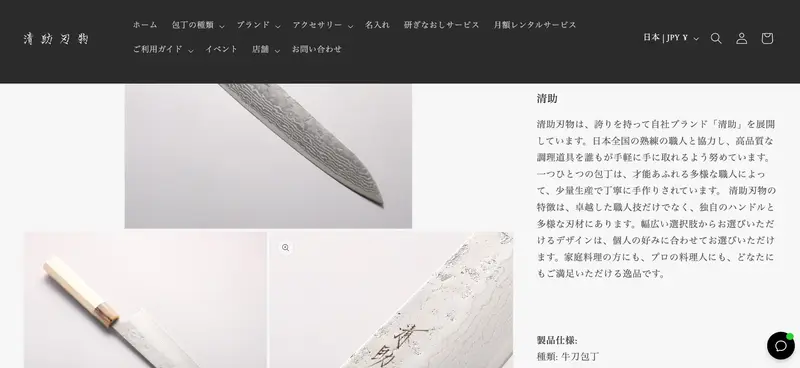
Quality attributes are the factors that determine the "perceived value" that customers recognize and the actual value. Products made with high-quality materials or handcrafted by skilled artisans have quality attributes as one of their selling points, and customers can purchase them with satisfaction even at a high price. On the other hand, if low price is prioritized over quality, it may appeal to budget-conscious customers, but it comes with risks such as reduced durability and can lead to decreased customer satisfaction.
3. Design
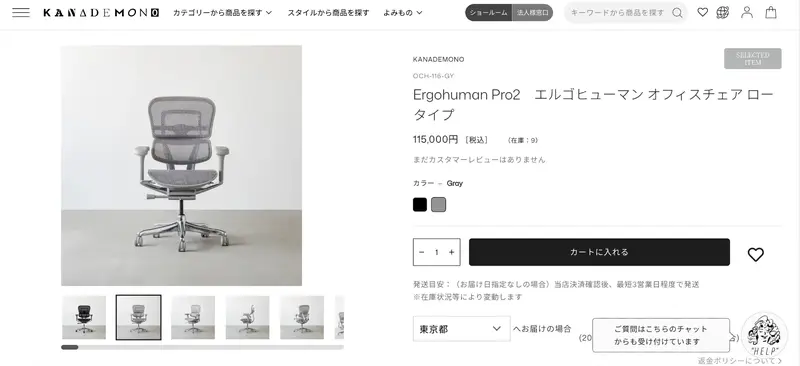
Design refers to product attributes that influence a customer's first impression and purchasing decision, and includes aesthetic appeal, functionality, and user experience (UX).