 跨境独立站开店
Methods for building a stable physical distribution system
Everyone has likely seen the news about the global supply chain crisis. Waterway congestion, trade wars, and economic sanctions continue to plague industries, forcing many retailers to restructure their logistics systems.

What is logistics (physical distribution)?
Logistics (physical distribution) refers to the entire process from the movement of goods, products, and raw materials between warehouses, factories, and distribution centers, to the delivery of finished products to customers. It includes sales and distribution channels such as e-commerce and wholesale, as well as elements such as customer service, inventory, materials, order processing, and transportation.
Why logistics is important
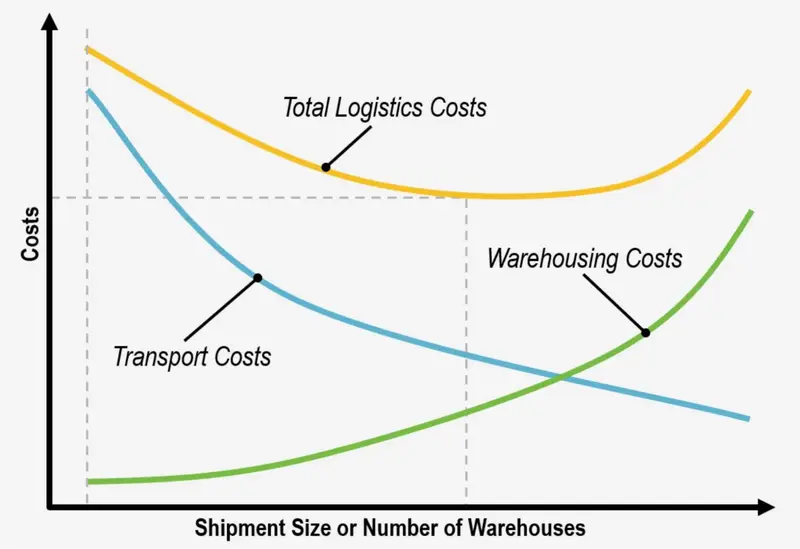
Logistics plays a crucial role in supply chain management. Investing in logistics systems offers numerous benefits, including increased sales, faster delivery, cost reduction, and price stabilization.
Increase in sales
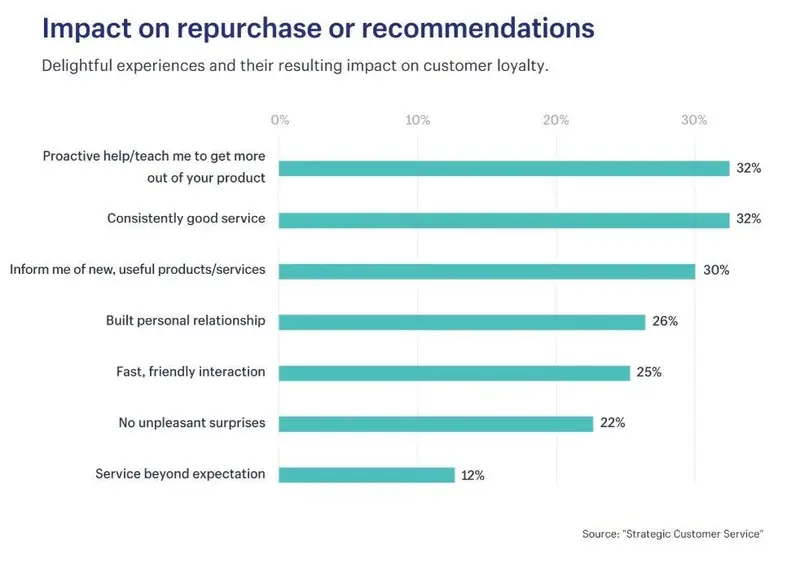
By utilizing logistics systems that enable faster and more economical product delivery, businesses can improve customer satisfaction and sales.
Improved delivery speed
The biggest benefit of investing in logistics is reduced delivery times. Nearly half (48%) of online shoppers receive their packages within 2-3 days, and 42% receive them within 4-7 days. Consumers expect faster delivery from all retailers.



