 跨境独立站开店
How to accurately translate a website and why is it important?
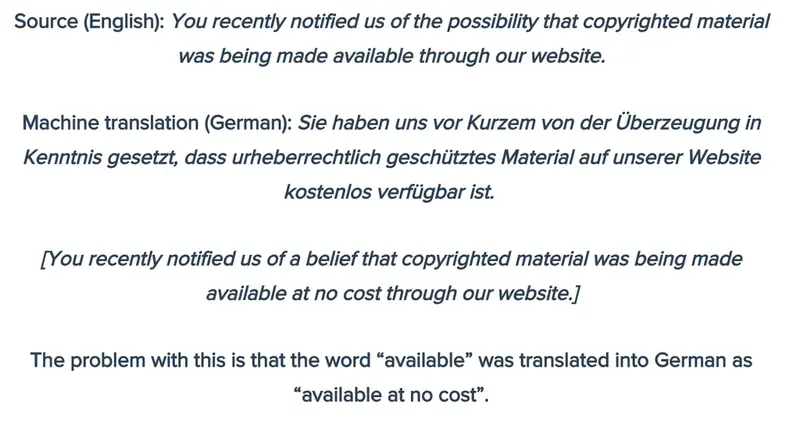
Translating a website from your own language into a foreign language is by no means easy. A direct, word-for-word translation can result in the loss of important nuances and make the text difficult to read. Automating translation is very difficult, and online translation tools can make mistakes if not used correctly. Try searching for "funny mistranslations"—you'll find plenty of hilarious examples from around the world.

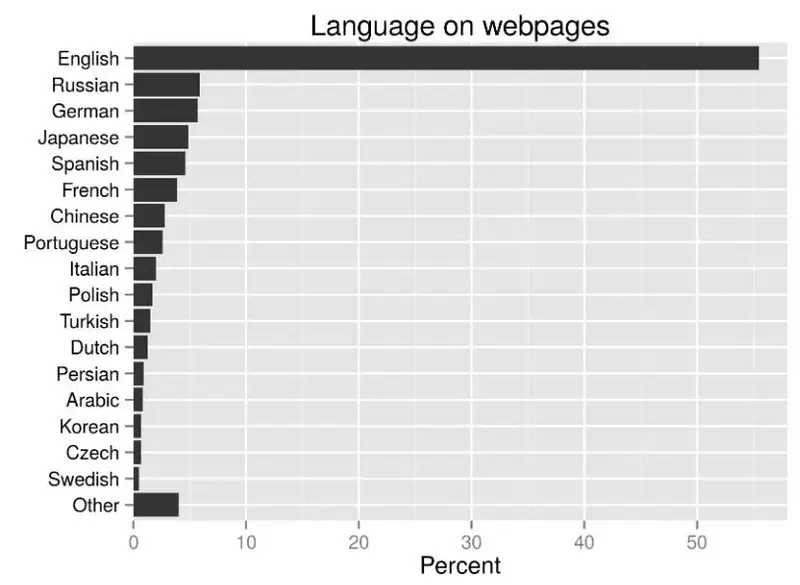
Reasons why you should translate your own web pages (with data)
Translating your website into different languages makes it more accessible from other countries, expanding your e-commerce business. Breaking down language barriers brings you closer to a global debut.
5 ways to translate
Even if you don't currently plan to translate your online shop, it might be a good idea to keep it in mind for the future. If none of your competitors are translating their sites, creating a foreign-language website and expanding your reach globally could be the first step towards your business becoming a global giant.
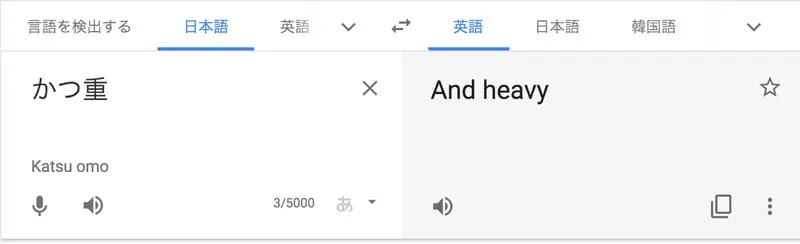
Google Translate
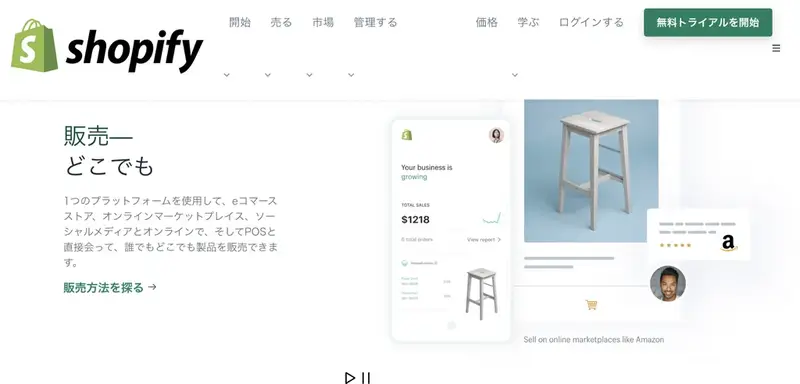
A link to the translated site will appear on the right. This is useful if you want to see what the translated site looks like. I translated the English version of the Shopify website into Japanese.
LangShop, a tool for Shopify
LangShop, an app exclusively for Shopify users, makes translating your website easy. Developed specifically for Shopify, it automatically translates your site based on the viewer's location.



