 跨境独立站开店
How to Sell Digital Art: Key Tips and Best Practices
Selling digital art is not easy. However, with perseverance and a solid strategy, it is possible to establish an audience and find a market.
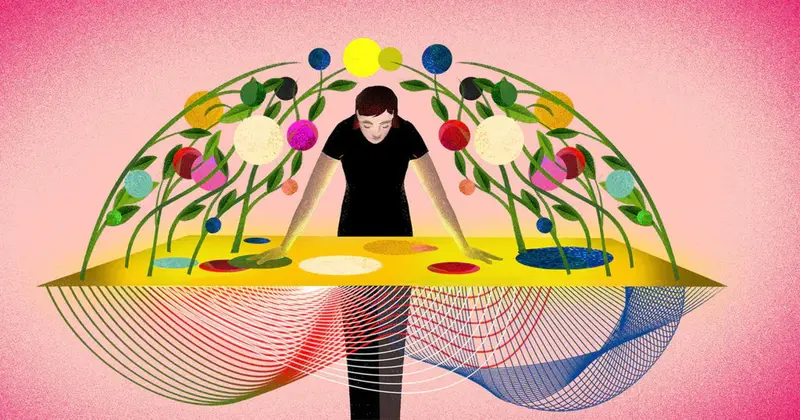
Selling digital art is not easy. However, with perseverance and a solid strategy, it is possible to establish an audience and find a market.
As our daily lives become increasingly online, our relationship with art is also changing. Many forms of art, such as video, music, images, and interactive art, are shifting from the physical world to the digital space.
If you're an artist, you've probably explored ways to sell your art online. Fortunately, there are ways to get your digital art to people who appreciate it. Let's learn more about popular digital art selling methods and tips.
What is digital art?
Digital art refers to artworks created primarily using digital media. Like physical art, digital art takes on a variety of forms.
- 3D Art: Using graphic design software such as SketchUp and Adobe, artists can add depth to their work and create 3D spaces and objects that people can interact with through computers and mobile devices.
- Virtual reality art: Designing experiences for virtual reality is an art form in itself. Its appeal lies in its immersive nature.
- Video: Animation and live-action are art forms available on TikTok, YouTube, and other digital spaces.
How to sell digital art
Creating art is often a source of income in itself. But how do you get started selling digital art? There are several ways to sell digital art. Many artists combine multiple income streams to sell their art online, such as the following:
Digital download
One direct method of selling artwork is through digital downloads. People pay a fee to download digital art files and can then print them, use them as wallpaper, or simply add them to their digital art collection. Art lovers may also purchase digital products as a token of support, even if they don't have a specific use in mind.
Furthermore, artwork can be converted into non-fungible tokens (NFTs), which encode the artwork with a unique digital identifier that publicly proves ownership. This type of cryptographic art is popular among collectors of digital assets.
Applying digital art to physical products
A popular way to sell digital art is to print it onto physical products. Work with a printing company to create canvas prints for wall art, t-shirts, stickers, coffee cups, and other items that your fans might appreciate. You can expand your store by sourcing products from other brands. Start by spreading the word about your style on social media sites like Instagram.
Commission (made to order)
Depending on the format and style, I can also offer commissioned art. A commission, similar to the work of a graphic designer, is when someone asks you to create art in your style, according to their specifications. For example, if a band likes your art, they might commission you to design an album cover.
How to sell digital art online
If you want to start selling art online, there are several steps you can take to launch your business venture.
1. Determine the format.
The format you choose will depend on your style and what you think people will buy. If you work with visual art, you might sell downloadable files. You can also create and sell art prints through print-on-demand services. Alternatively, you can take commissions to create custom pieces such as social media profile pictures, pet portraits, or gifts.
2. Select a platform
There are several e-commerce platforms and online marketplaces where you can sell your artwork. Whether you run an Etsy shop or build your own website on an e-commerce platform like Shopify, the ideal selling platform ultimately depends on your needs.
Different artistic styles may be suited to specific online marketplaces, or they may be better suited to building a customizable, unique online store.
3. Promotion
Making money online isn't guaranteed, but selling your artwork is certainly not impossible. The best way for a digital artist to find a market is to build a fanbase. Use marketing tools, social media promotions, and simple engagement in online communities to identify potential customers for your art.
Tips for selling digital art online
As with any marketplace, there are several security concerns to consider when selling digital art online.
- Use watermarks. You can protect digital images by overlaying a watermark (signature or brand name) on images available on websites and social media platforms. This prevents potential plagiarists from copying or pirating your original artwork.
- Provide low-resolution previews. Uploading low-resolution versions of artwork to online stores prevents people from stealing files and encourages them to purchase the full-resolution versions.
- Send a license agreement. When selling digital downloads, you must clearly tell customers what uses are permitted. (Unless it is part of the contract) the artist retains the copyright, so you should ensure that others cannot profit from their work.
FAQ about how to sell digital art
Is selling digital art profitable?
It is possible for digital artists to make a profit. Whether you're selling digital art products such as digital files, templates, and custom thumbnails, or collaborating with a print-on-demand business to create physical art prints of your digital paintings, finding the right medium and market for your work is key to generating revenue.
What type of digital art sells best?
When selling art online, it ultimately depends on what you create and who wants to buy it. If you create digital art for wall hanging, digital art prints might be preferred. For some artistic styles, such as 3D rendering, the audience might prefer digital files or 3D printed objects. Your online art sales will depend on your style and the kind of art business you want to run.
How much can digital art be sold for?
The art market is complex. For artists looking to start selling online, exhibiting their work in an online gallery and selling through their own online store can help them understand which pieces are interesting to buyers. With luck, they may be able to build demand through online sales and increase prices over time.
Share this article
- Share on Facebook
- Share on X
- Share on LinkedIn



