 跨境独立站开店
Import duties and import consumption tax: How to set them up in Shopify
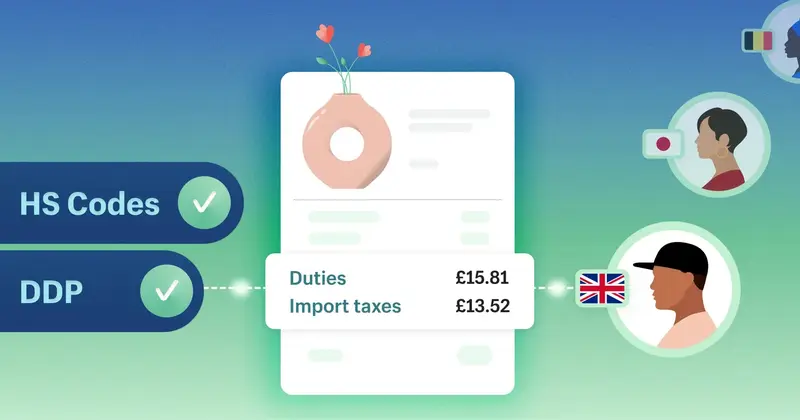
This guide explains the import tariff and import consumption tax systems and how to set them up on Shopify. Learn how to collect taxes and tariffs at checkout and provide a smooth and clear purchasing experience.
The difference between import duties and import consumption tax
Import duties and import consumption tax are both taxes levied when importing goods from overseas, but they differ in their purpose, taxable items, tax rates, and calculation methods.
How customs duties and import consumption tax rates are determined
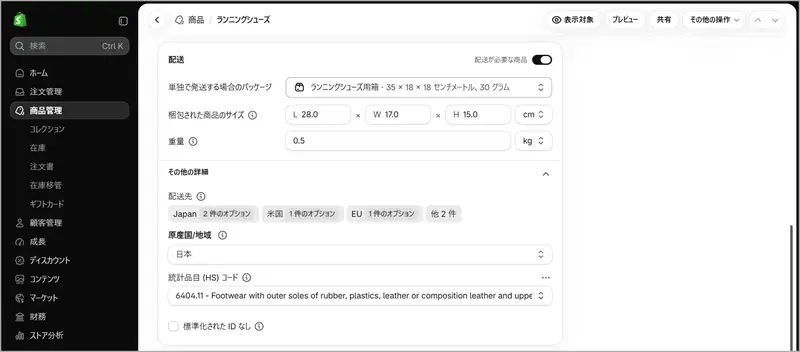
Tariff rates vary depending on the type of product, its country of origin, and the country or region of import. Internationally recognized HS codes (numbers indicating the product name and classification) are used for classifying goods. Furthermore, trade agreements may reduce tariff rates or exempt certain low-value goods from duties.
How to calculate customs duties and import consumption tax
Customs duties are generally calculated by multiplying the taxable value of the goods by the customs duty rate. In Japan, the CIF price, which includes freight and insurance in addition to the product price, is generally used as the basis, but the specific calculation method varies depending on the importing country.
Who bears the burden of import duties and import consumption tax?
As a general rule, the importer of the goods is responsible for paying import duties and import consumption tax. For example, when an overseas consumer purchases goods from a Japanese e-commerce site, the buyer is usually the importer and is responsible for paying the duties and taxes imposed in the country of import.



