 跨境独立站开店
What is DtoC? Its mechanism, advantages and disadvantages, and success stories.
This document summarizes the characteristics of the DtoC business model. It explains what DtoC is, its meaning, advantages and disadvantages, and provides examples of successful DtoC companies both domestically and internationally.






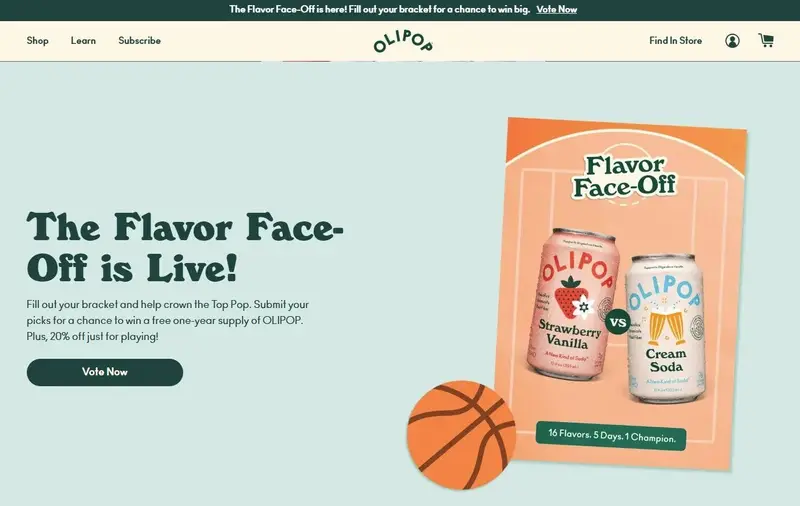
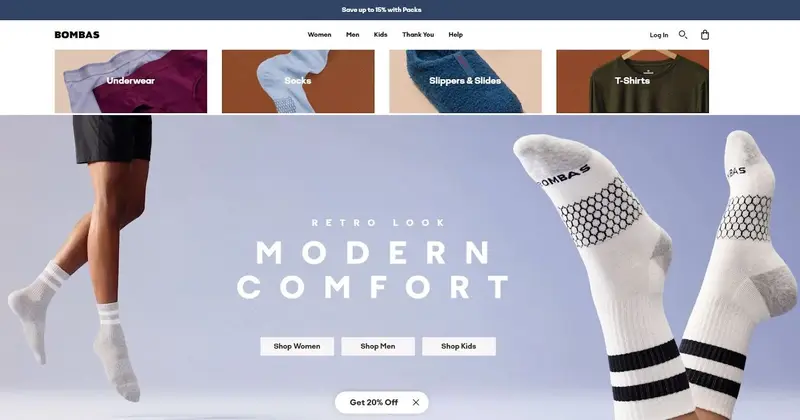
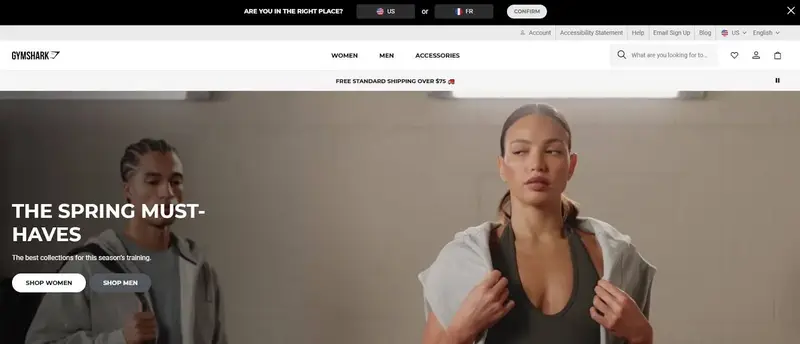

What is DtoC?
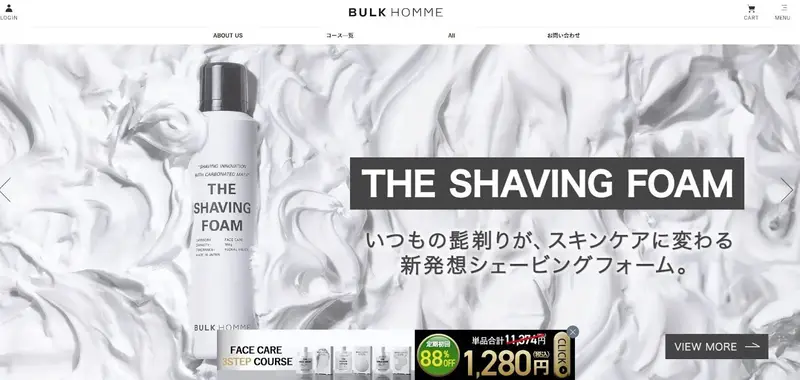
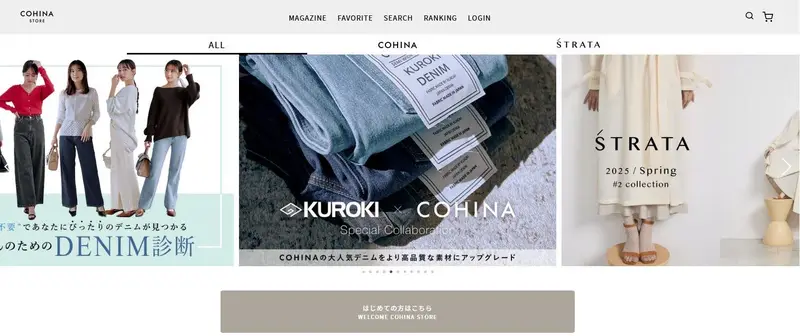
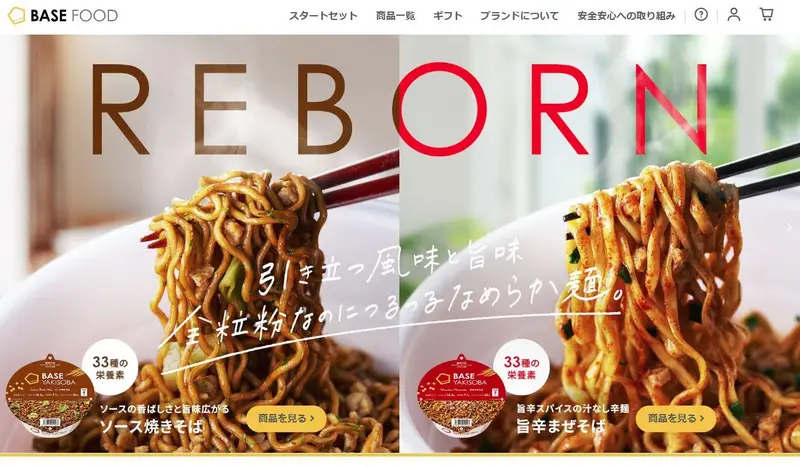
DtoC (Direct-to-Consumer) refers to a business model where brands and manufacturers sell directly to consumers. It is an abbreviation of the English term Direct-to-Consumer, and companies handle everything from planning and manufacturing to sales without going through wholesalers or retailers.
Expansion of the online sales market
The online sales market is expanding, and consequently, the DtoC market is also expected to grow in the future. Statista predicts that global online sales will exceed $8 trillion by 2027. In retail sales, sales do not occur unless consumers visit the store.
Changes in consumer needs
Consumers tend to purchase products not only based on their value and functionality, but also on the unique concepts and brand stories of companies.
The spread of social media
According to a survey by the Ministry of Internal Affairs and Communications, the number of SNS users is increasing year by year, and along with that, the number of consumers who purchase products directly from Facebook Shops and TikTok Shops is also increasing. If brands and manufacturers start shops on SNS and sell to consumers in a DtoC (direct-to-consumer) format, they can attract these SNS users as customers.



