跨境独立站开店
Payment Gateways for E-commerce Stores
If you're considering implementing online payments, be sure to check out this guide. We've evaluated features, pros and cons, and pricing to select the top 6 best payment gateways.

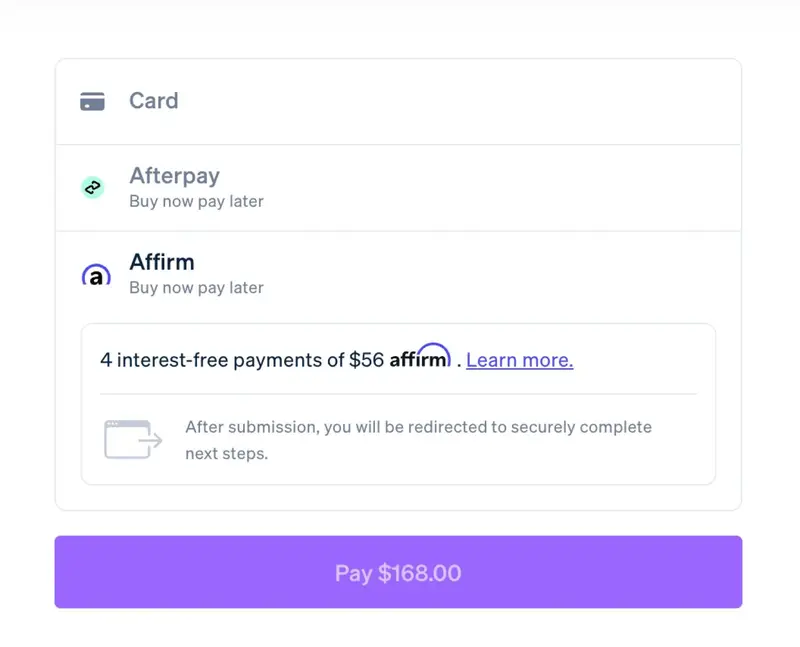

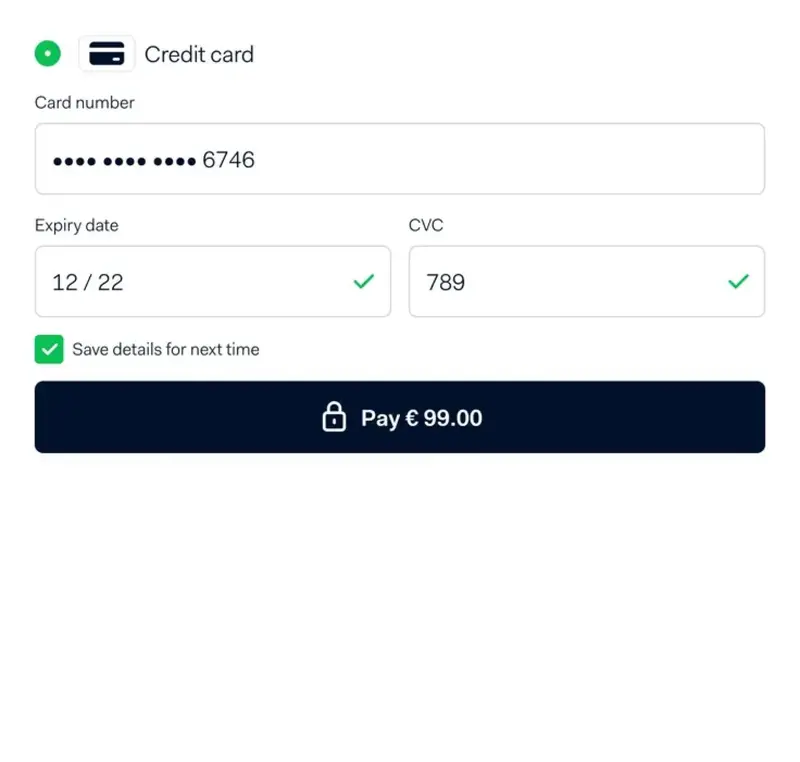
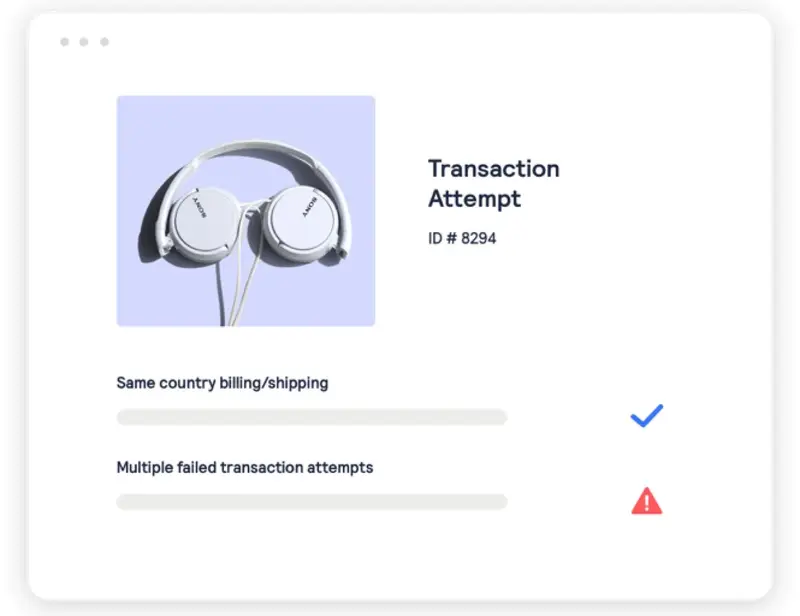
If you're considering implementing online payments, be sure to check out this guide. We've evaluated features, pros and cons, and pricing to select the top 6 best payment gateways.
To process payments in an online store, you need a payment gateway. A payment gateway is a technology that securely collects customers' financial information and passes that information to payment processors who transfer money from the buyer's account to the store's account.
There are many payment gateways available, each with its own advantages and disadvantages.
Therefore, for those of you who are unsure which one to choose, we have conducted our own evaluations. This guide ranks payment gateways based on use cases, advantages, disadvantages, and pricing, and compiles the best options. Please use this as a reference to choose the one that is best suited to your business.
What is a payment gateway?
A payment gateway is a technology used by retailers to process payments from customers. The payment gateway securely transmits payment information, such as the customer's credit card number and billing address, by encrypting it. This information is sent from the customer's browser to the e-commerce site.
Payment gateway mechanism
While the term "payment gateway" might sound technical and complex, its role can be broken down into several key steps.
- The customer initiates the payment process on the website (usually on the checkout page).
- The customer enters their payment details into the payment gateway. This step can be done in various ways, such as manually entering the information or using a mobile wallet (Shop Pay, Google Pay, Apple Pay, etc.).
- The payment gateway encrypts the data entered by the customer, preventing hackers from intercepting the information.
- The gateway securely transfers this information to a payment processing service or merchant bank, which then sends an authorization request to the customer's card network (such as Visa, Mastercard, or American Express). The card network then forwards that request to the customer's issuing bank.
- The issuing bank approves or rejects the request and returns this response to the payment gateway. In either case, this response is displayed on the e-commerce platform.
- If the payment is approved, the payment processing service will arrange the transfer of funds from the customer's account to the merchant's account. If the payment is rejected, the payment gateway will display the reason. Common reasons include insufficient funds, fraud risk, and invalid cards.
Top 6 Payment Gateway Providers
- Shopify Payments
- Stripe
- PayPal
- Adyen
- Authorize.net
- WorldPay
1. Shopify Payments
Best suited for: Shopify merchants
Shopify Payments is Shopify's proprietary payment gateway that allows e-commerce businesses to process online and in-person payments on a single platform. Shopify Payments is compliant with the Payment Card Industry Data Security Standard (PCI DSS) to protect customer data.
Shopify's payment gateway is compatible with various sales channels such as Facebook, Instagram, and Google, allowing you to receive payments through them. Furthermore, existing Shopify merchants can benefit from lower transaction fees and higher profits by using Shopify Payments.
- No additional software is required to process online payments.
- Highly competitive payment processing fees
- To protect highly sensitive financial data, PCI DSS compliance is required.
- We support multiple payment methods, including credit cards, digital wallets, Shop Pay, deferred payment, and PayPal.
- Processing international payments in the customer's local currency.
- Intuitive financial reporting tools integrated into the Shopify dashboard
- 24/7 customer support
- Automatic deposits from the Shopify admin panel to withdraw funds to your business bank account.
- Available only to Shopify merchants.
- For retailers not using Shopify, additional fees apply to transactions made through third-party payment gateways.
Pricing: Shopify's payment processing fees vary depending on the plan. This ranges from 2.9% to 2.4%, plus a 30 cent (approximately 45 yen) fee per transaction.
Manage your cash flow with Shopify Payments
Shopify Payments lets you centralize all your orders and payments. Gain complete financial visibility and support a seamless checkout experience across different currencies and payment methods.
2. Stripe
Best suited for: Merchants offering subscriptions
Stripe is a particularly popular payment gateway because it is not dependent on any specific e-commerce platform. Merchants can accept credit card and mobile payments, and it can be easily integrated into most websites and mobile apps.
While it offers a high degree of customization and flexibility, setting it up and using it requires a significant amount of technical knowledge. Stripe also includes features for invoicing, subscriptions, and an international marketplace.
- PCI DSS compliant
- Customization features to brand your payment experience
- Supports numerous countries and currencies
- Automatic currency conversion for processing international payments
- Subscription billing feature that handles recurring payments and securely stores card information.
- Comprehensive financial reporting tools
- Setting up and using it requires a lot of technical expertise.
- The support documentation is highly technical.
- The chargeback fee is high if a customer disputes a payment.
Pricing: Stripe's standard payment processing fee is 2.9% + 30 cents (approximately 45 yen) for transactions using cards or wallets. Additional fees apply for manually entered cards (0.5%), currency conversions (1%), and international cards (1.5%).
3. PayPal
Ideal target: Companies with a global customer base that have a PayPal wallet.
PayPal is a popular payment gateway that allows anyone to process payments online. It's well-known in the world of online payments and has programs in place to protect buyers and sellers from fraud. Its biggest drawback is that it's more expensive than other payment gateways, especially when processing payments on a large scale.
- Popular and reliable services (globally recognized brands can influence customer trust and conversion rates)
- Invoice issuance function
- Buyer and seller protection programs to prevent fraud
- One-touch checkout to improve the customer experience
- Supports international payments in various currencies.
- Customers can pay using their PayPal account balance.
- No setup fee
- A separate setup and checkout process is required.
- The customer support is not very good.
- Additional transaction fees apply.
- Transaction fees are higher than other payment gateways.
- Some merchants are reporting that PayPal has locked their accounts and frozen their funds without prior notice.
Pricing: PayPal takes 3.49% of the transaction amount, plus an additional 49 cents (approximately 72 yen) in fees. Merchants processing international payments are charged a base transaction fee plus a 1.5% fee, and fees depending on the specific currency.
4. Adyen
Best suited for: Large online businesses
Adyen is a global payment gateway that can process payments in various currencies and countries. If you prioritize subscriptions and international payments, it's a worthwhile option to consider.
- We offer a wide range of payment options, including digital payments, local payment methods, and major credit cards.
- Omnichannel support for receiving payments in multiple regions through a single integration, online or offline.
- Options to create branded physical and digital cards
- Option to create a test account before using the payment gateway
- Protect your business from fraud with an AI-powered risk analysis system.
- Supports subscriptions and recurring payments
- We process secure transactions online, through mobile apps, and in stores, utilizing tokenization.
- A fixed payment processing fee applies to each payment method.
- It is not the best option for small online businesses.
- Customization options are limited.
- The pricing model is more complex than other payment gateways.
Pricing: Adyen does not charge a monthly fee, but the payment gateway fee varies depending on the customer's issuing bank. This ranges from 3% to 12%, with an additional 13 cents (approximately 19 yen) added on top.
5. Authorize.net
Best suited for: Retailers with a Visa merchant account
Authorize.net is an option if you need a payment gateway compatible with your Visa merchant account. This software is owned and operated by Visa and easily syncs with your Visa merchant account.
- High utilization rate
- It's very easy to use and suitable for merchants who aren't technically savvy.
- We accept payments via credit card, debit card, PayPal, and Apple Pay.
- Advanced fraud detection features to block online transaction fraud
- Option to send invoices to customers using the same payment gateway
- Customizable payment form
- A monthly subscription is required.
- The interface looks outdated compared to other gateways.
Pricing: Authorize.net's pricing varies depending on whether you use only the payment gateway or also use a merchant account. For payment gateway only, there is a monthly subscription fee of $25 (approximately ¥3,700), plus a 10-cent (approximately ¥15) batch fee per day.
6. WorldPay
Ideal target audience: Merchants who process international payments
WorldPay is a payment service provider with its own gateway. Its biggest advantage is its ability to connect with various global banks and partners to process international payments. However, this comes at the cost of transaction fees.
- Suitable for businesses of all sizes.
- Highly customizable and flexible
- Excellent security features to protect payment information (including OmniShield)
- Supports over 300 payment methods and multiple currencies.
- Connecting with various global banks and payment partners to process international payments.
- No monthly fee
- Pricing information for issuing card networks such as American Express and Discover is not transparent.
Price: WorldPay's pricing varies depending on the payment method chosen by the customer. This ranges from 0.75% to 2.75%.
How to choose an online payment gateway provider
Payment processing fee
Before selecting a specific gateway, evaluate the processing fees for various types of transactions. This includes the following:
- Various payment methods
- The customer's issuing bank (American Express usually has high fees)
- International payments and currencies
Even small fees can add up over time. For example, if you process $50,000 (approximately 7.4 million yen) annually through a payment gateway, a 2.4% fee would amount to a total of $1,200 (approximately 177,600 yen) in transaction fees. If you reach the limit and choose a 3.49% fee, you would pay an additional $545 (approximately 80,660 yen) per year.
Payment methods
A survey revealed that 11% of online shoppers abandon their shopping carts because they were unable to pay using their preferred payment method. Choosing a gateway that accepts a variety of payment options can potentially reduce cart abandonment and increase sales. Specifically, this includes the following:
- Credit card or debit card
- Mobile wallet
Popular payment methods can vary by country. For example, if you are selling in China, check if your gateway can process WeChat Pay. In China, 920 million people use WeChat Pay for online shopping.
security
Payment gateways handle highly sensitive financial data that must not fall into the hands of third parties. Ensure that the payment gateways you consider are PCI DSS compliant and equipped with security features such as encryption and tokenization. These industry standards set the benchmark for payment security and protect business and customer data when processing online payments.
Running a business is difficult enough. Instead of putting pressure on yourself to integrate systems, let the system handle the integration by choosing a payment gateway that can integrate with your existing technology stack. Specifically, the following points are important:
- Store's e-commerce platform
- Point-of-sale (POS) software (if you also conduct face-to-face sales)
- Inventory Management System
- Subscription management app
- Accounting software
- Analysis app
A reliable payment gateway ensures you never miss a sales opportunity, 24/7. Before choosing a payment gateway, check its uptime report. A higher uptime is generally considered better.
When gateways frequently experience technical problems, it not only leads to lost revenue but also provides customers with a bad experience. This alone can cause you to lose repeat customers: research shows that 86% of shoppers will leave a brand they trusted after even one bad experience.
Customer Experience
Customers use your store's payment gateway every day. The better their experience, the more likely they are to complete a purchase and continue using your store.
An excellent checkout experience includes the following:
- Supports various payment methods
- It works correctly on all devices, including PCs, smartphones, and tablets.
- A payment gateway provider that customers know and trust.
- PCI DSS compliant logos and other symbols of security or trust
- Reliable customer support
Choose the best payment gateway provider for your business.
Choosing a payment gateway for your online business is a major decision. Not only can the customer experience be jeopardized, but payment processing fees can quickly squeeze profit margins.
If you're already running a business on Shopify, choosing the platform's own payment gateway makes sense. You don't need to find a third-party provider to connect to your store, and you don't need to compare payment processing fees. It's all in one place.
Frequently Asked Questions about Payment Gateway Providers
What is the optimal payment gateway?
- Shopify Payments is available for e-commerce stores.
- Merchants whose customers use PayPal's digital wallet are eligible for PayPal
- Merchants who sell subscriptions with recurring payments can use Stripe.
- To make omnichannel payments with a fixed processing fee, use Adyen
- Your Visa merchant account will be linked to Authorize.net
- For international payments, use WorldPay
What is a gateway payment provider?
Gateway payment providers are a type of software that can encrypt sensitive payment information. These companies help retailers who want to process online and in-store payments.
Is PayPal a payment gateway?
PayPal is a payment gateway that enables merchants to securely receive payments from their customers.
What is the easiest payment gateway to set up?
If you already have a Shopify store, Shopify is the easiest payment gateway to set up. You don't need to find any third-party software; simply switch your payment gateway within the Shopify admin panel.
What is the most widely used payment platform?
PayPal is the world's most widely used payment platform. It processes over 200 billion transactions annually, with 36 million merchants handling online payments from 431 million users.
Share this article
- Share on Facebook
- Share on X
- Share on LinkedIn