 跨境独立站开店
A comprehensive guide to fashion and apparel e-commerce sites! Features and site design examples.
Trends in the apparel e-commerce industry are constantly changing. Recent trends include the personalization of the shopping process, the increasing emphasis on sustainability, and the rise of social commerce. Furthermore, expectations for a shopping experience that seamlessly transitions between online and physical stores are rising, and e-commerce sites are now required to play a role not only in making shopping easy, but also in conveying the brand's worldview and sense of security.
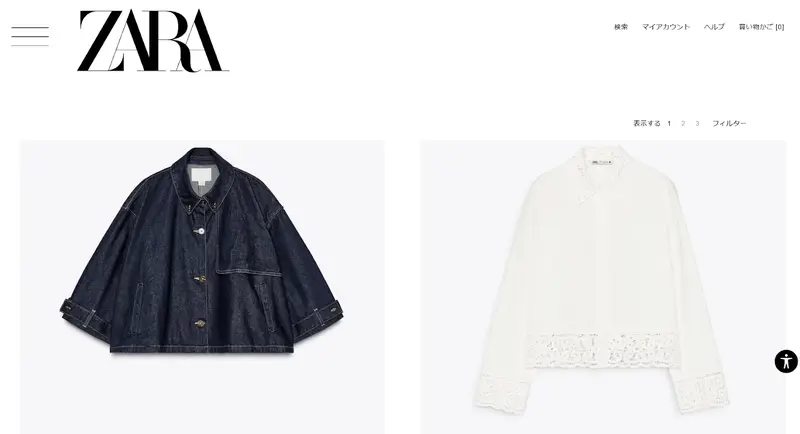
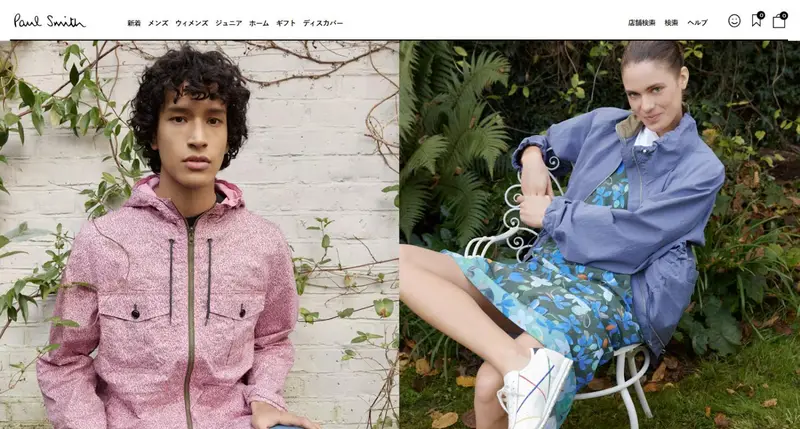
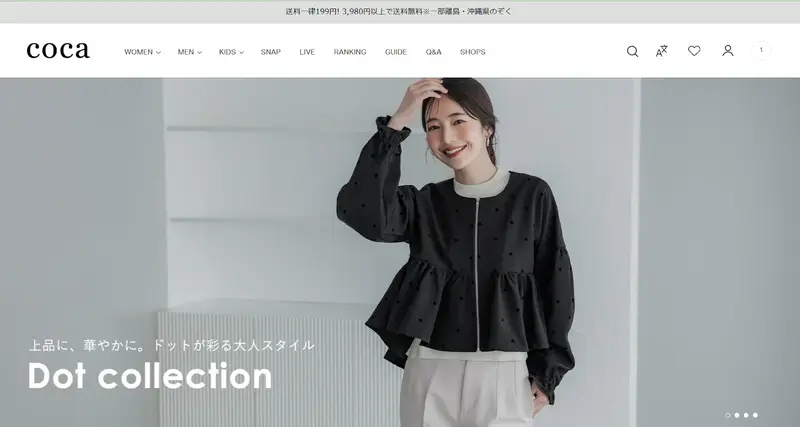
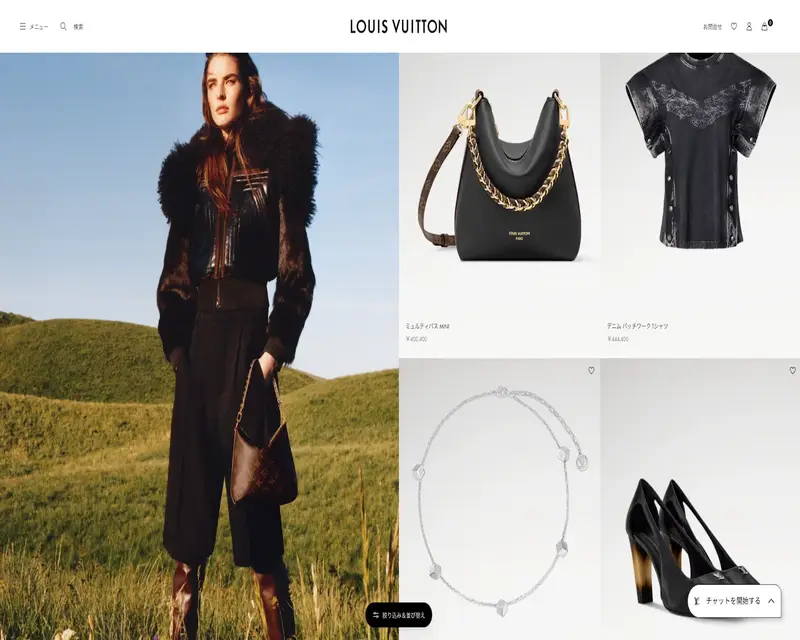

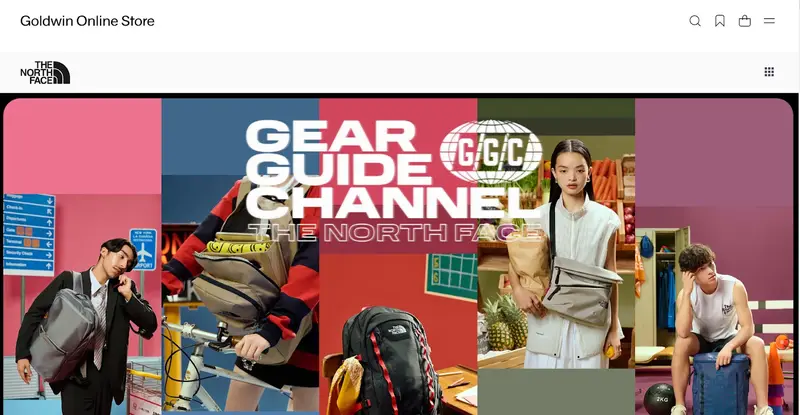
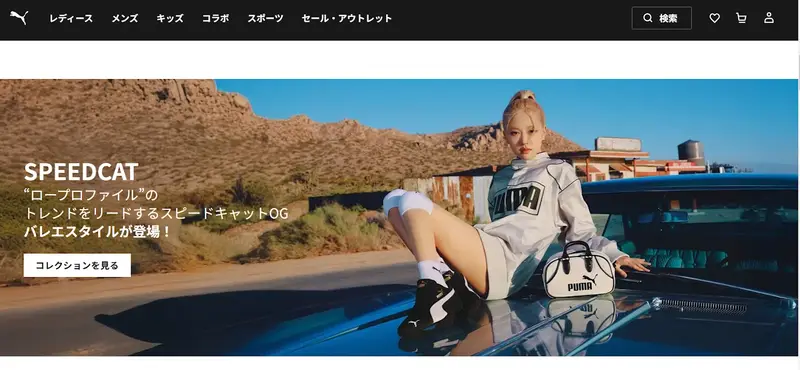
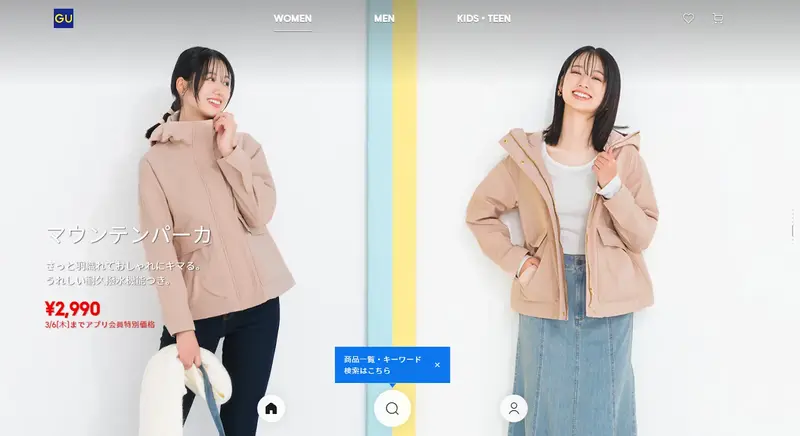
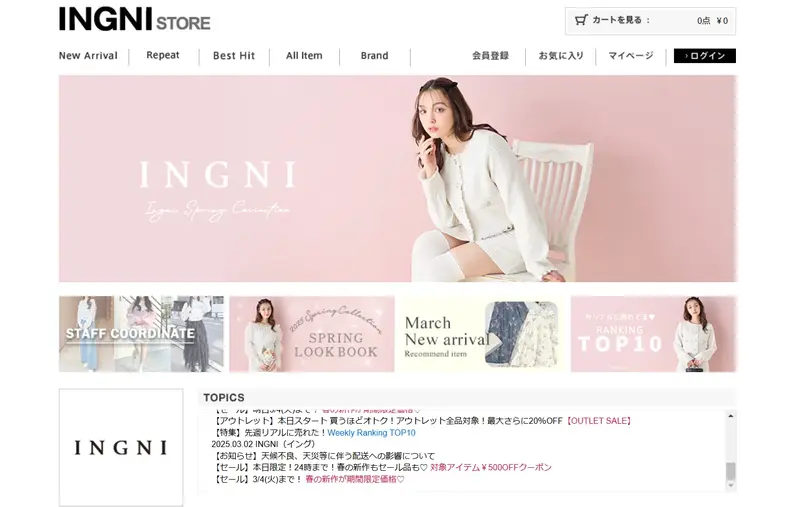
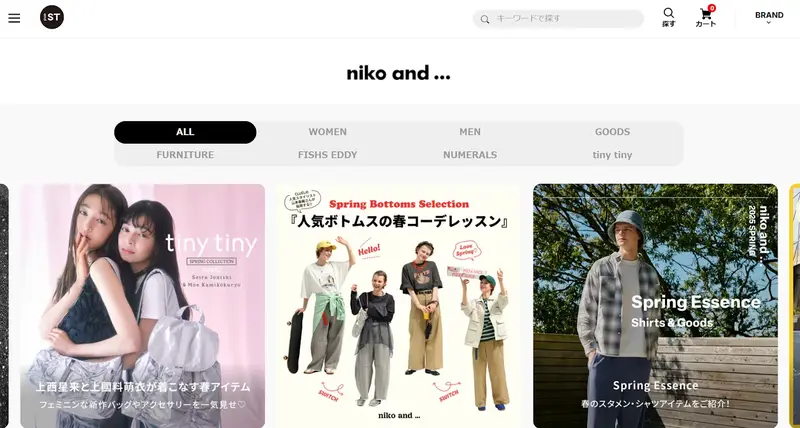
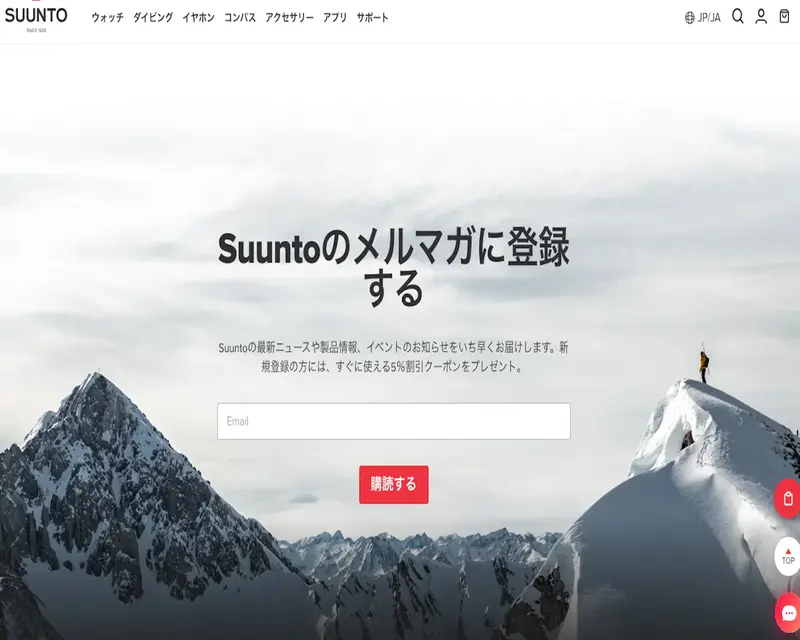
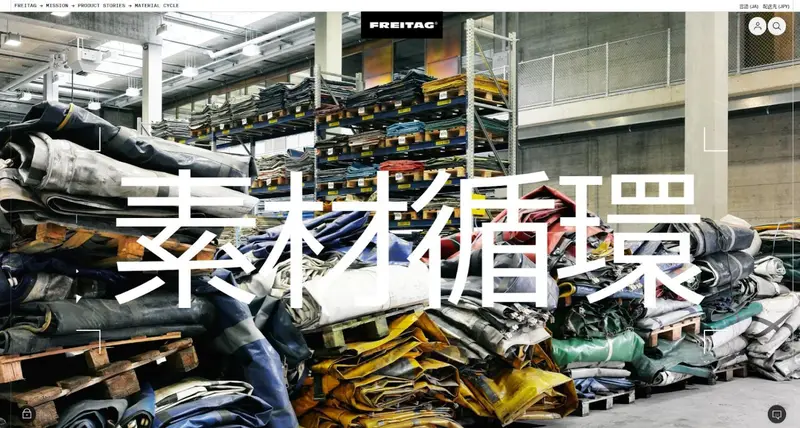
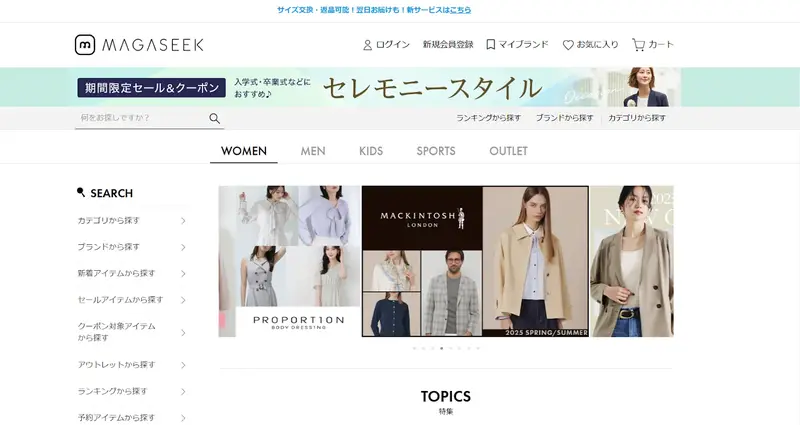
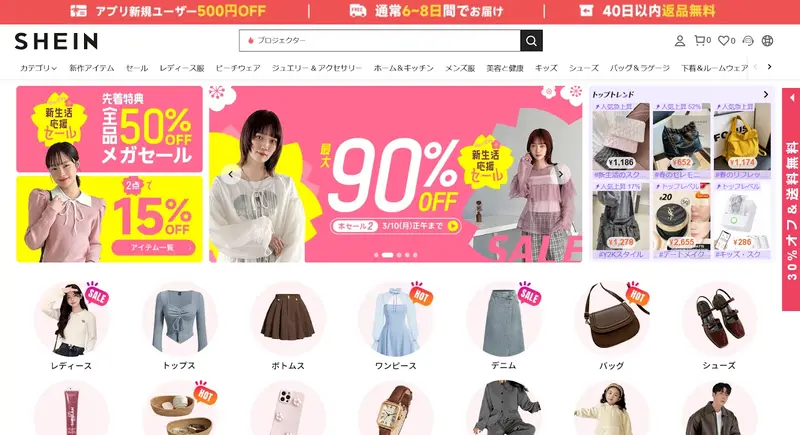

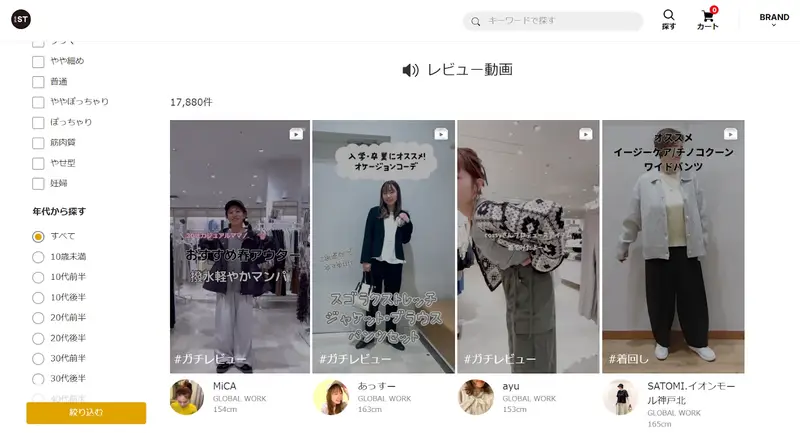
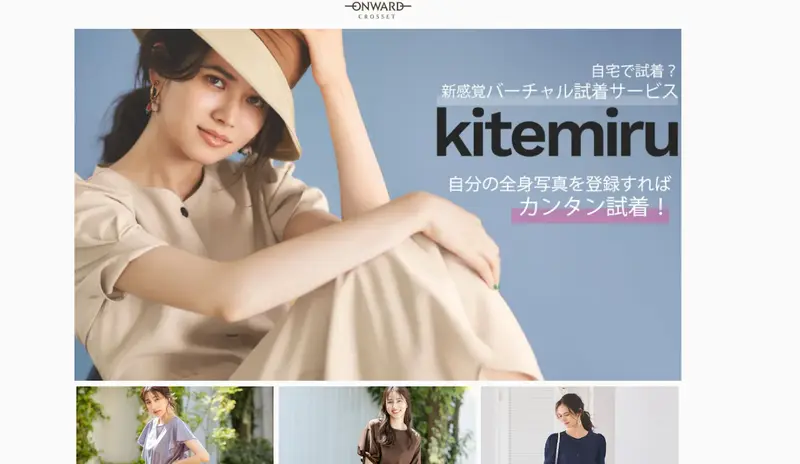
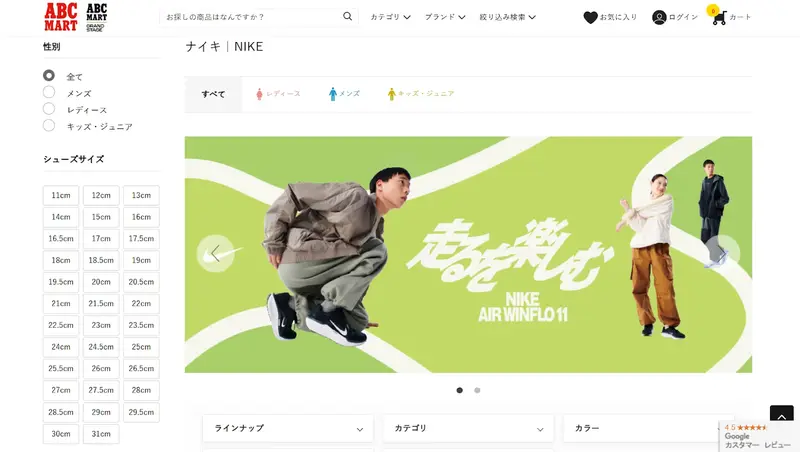
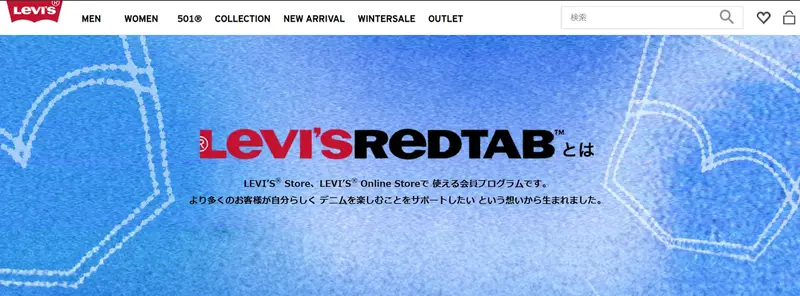
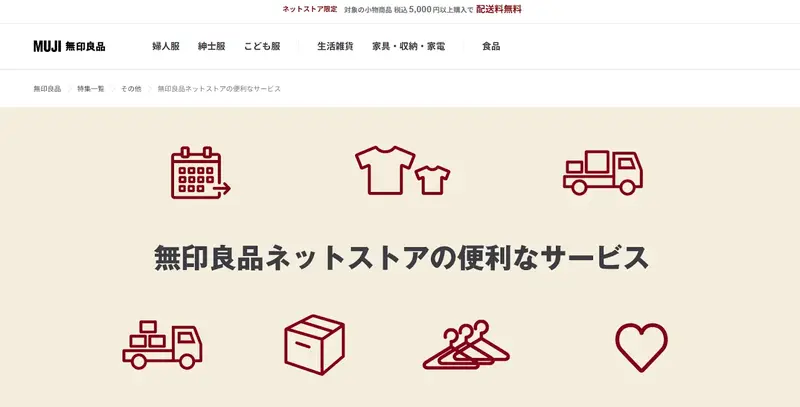
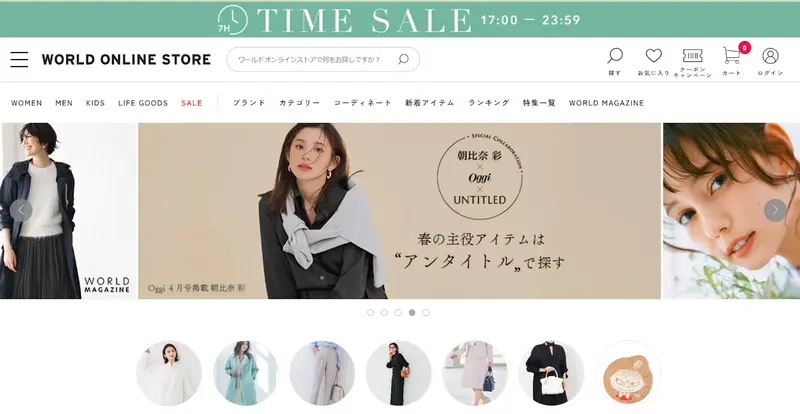
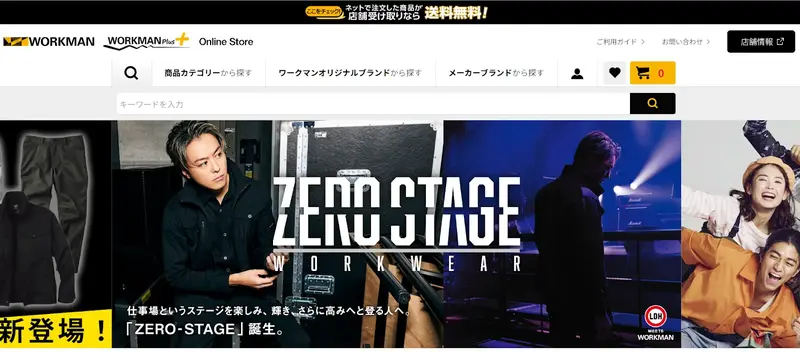
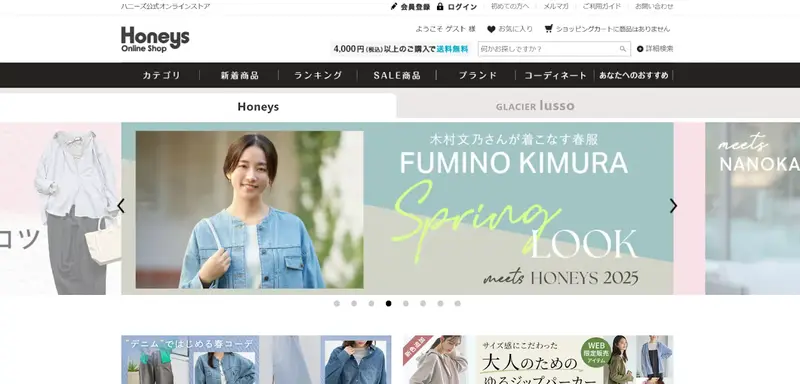
Two types of apparel e-commerce sites
Before actually launching an apparel brand on an e-commerce site, let's first understand the different types and characteristics of e-commerce sites.
1. Mall-type e-commerce site
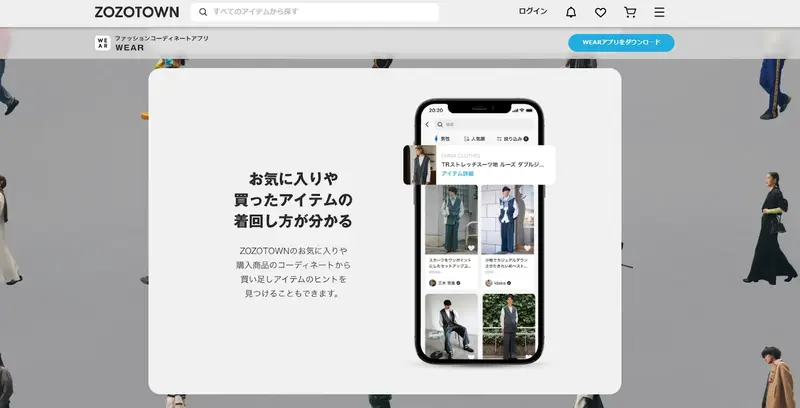
A mall-type e-commerce site is a massive shopping mall-style platform where various e-commerce sites are gathered. Examples include Amazon, Rakuten Market, Yahoo! Shopping, and ZOZOTOWN, with ZOZOTOWN being particularly specialized in fashion.
2. Our own e-commerce site
Shopify is a platform that allows you to build and operate your own e-commerce website. Since there are no initial costs, even those with no experience can easily create an online apparel shop. Furthermore, you can add necessary functions for an online apparel shop using Shopify apps specifically designed for apparel stores.
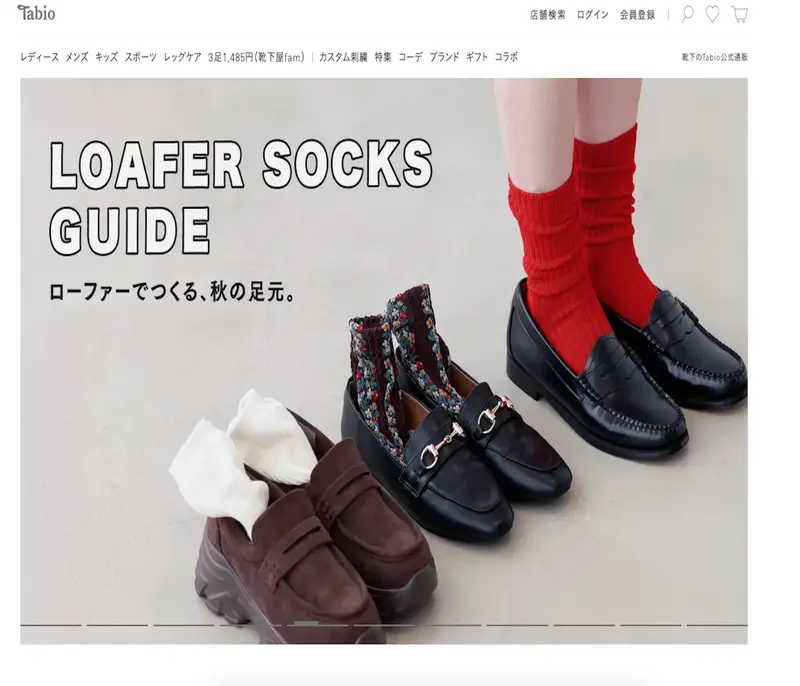
1. Tabio
Tabio uses a carousel display method, which features several images in the first view and automatically switches between them. This effectively showcases seasonal product images and the latest information on special offers.



