跨境独立站开店
FAQs about barcode generation and free barcode generators
Barcodes are widely used and play a vital role. These labels, consisting of black lines and numbers, are displayed on almost every product and are essential for the smooth operation of retail stores.

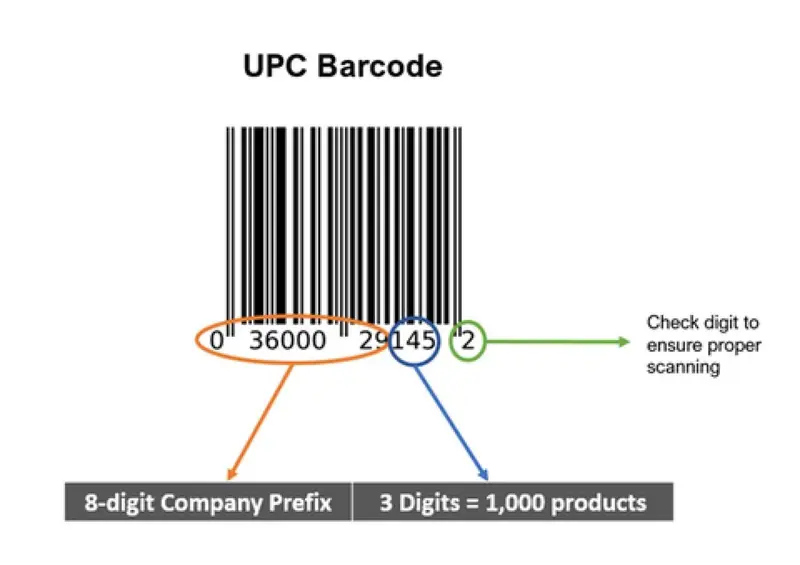
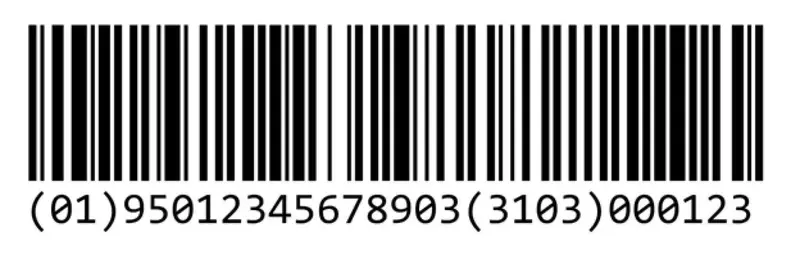
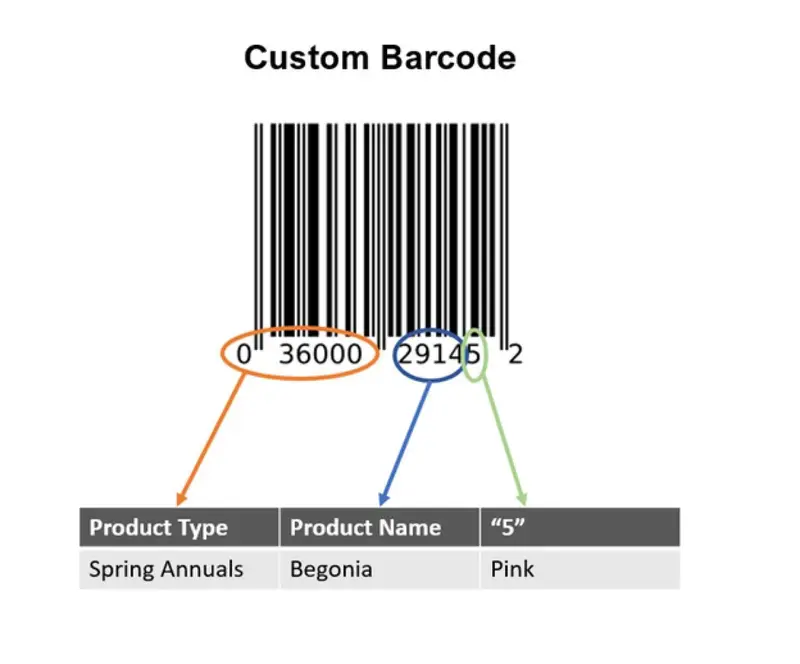

What is a barcode?
A barcode is a unique visual pattern that encodes information about a product in a way that a computer can decipher. It typically consists of black and white stripes or a matrix of dots representing numbers or letters.
The difference between barcodes and QR codes
Barcodes can only be scanned from one direction and can only hold limited information. QR codes, on the other hand, can hold far more data, including URLs, contact information, and text. Because QR codes can be scanned from any angle, they are ideal for digital and interactive applications.
How do barcodes work?
In a barcode, information is contained within a pattern of lines or dots that a barcode scanner reads. Each digit from 0 to 9 is assigned a set of black and white bars. For example, if an item is assigned a 10-digit number, that number will be displayed using 10 different combinations of black and white bars.
Types of barcodes
In linear or one-dimensional barcodes, the pattern is formed by the thickness and spacing of the bars. Barcode scanners read this pattern and compare it to product records in databases or POS systems. Several 1D barcode standards exist worldwide, each uniquely encoding information suited to specific use cases.