 跨境独立站开店
Balance Sheet: Purpose, How to Read, and Examples
Understanding finance can be challenging, but it's unavoidable in business operations. Here, we'll provide a clear explanation of the balance sheet.

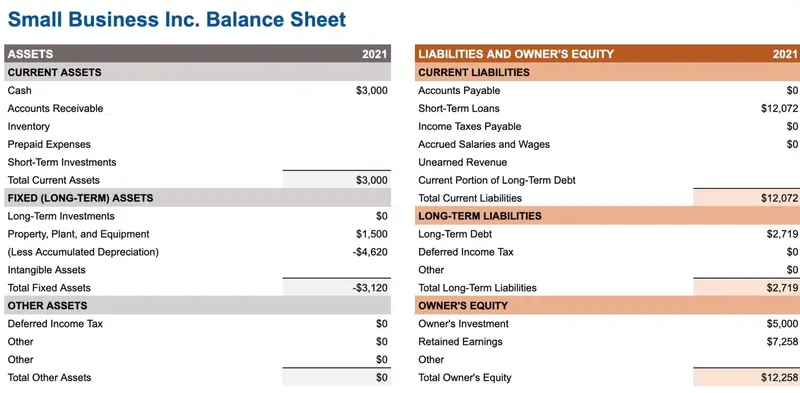
What is a balance sheet?
A balance sheet is a financial statement that shows a company's assets, liabilities, and equity, and is shared on a monthly or quarterly basis. The main benefit of a balance sheet is that it allows you to understand the value of a company.
The importance of the balance sheet
A balance sheet is useful for securing financing, establishing company value, and organizing financial records for tax reporting.
1. Gaining the trust and debt of lenders
When lenders and banks decide to extend credit to a company, the balance sheet helps them assess risk. Lenders typically examine liabilities to ensure the company is not financially burdened. Lenders want to recover their funds. If existing debt (liabilities) far exceeds assets, lenders may hesitate to extend further credit.
2. Setting up company evaluations
Other aspects that influence the setting of a company valuation include the size of its customer base in the industry, its competitive advantages, the size of its employees and executives, year-over-year growth rate, and revenue and profits.



