 跨境独立站开店
Benefits and implementation methods of B2B self-service functions
This article introduces the trends, benefits, and implementation methods for B2B self-service portals. Understand the requirements and considerations for B2B digitalization to update your business-to-business transactions.







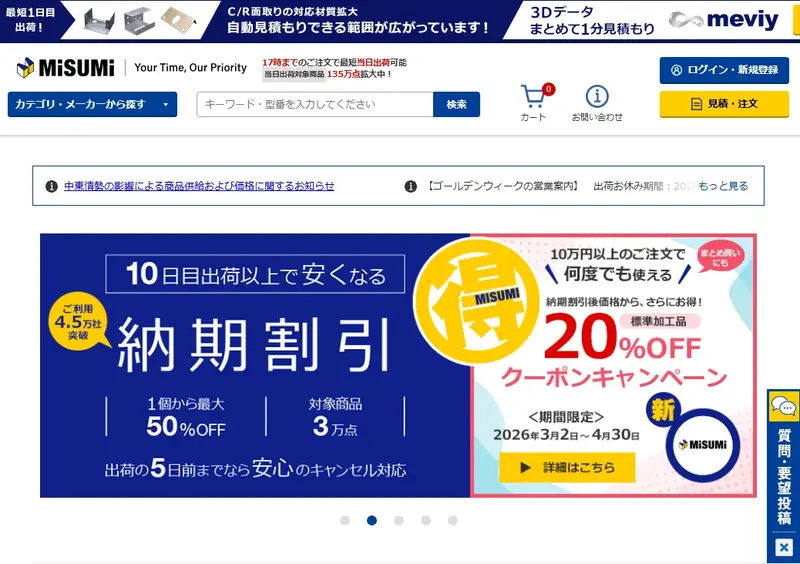
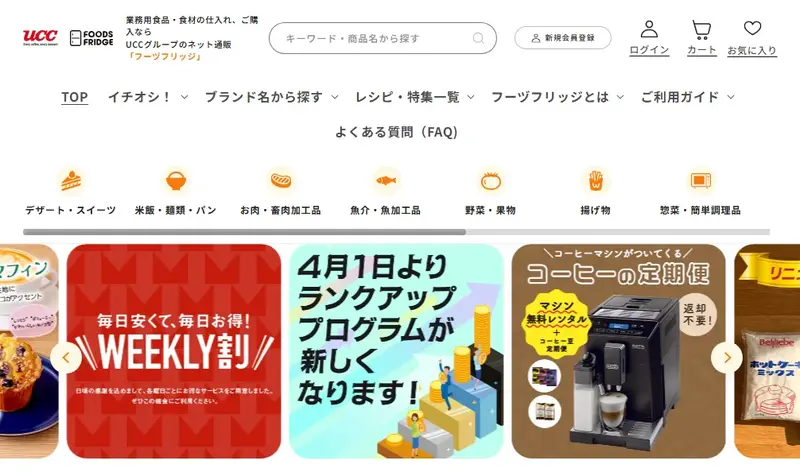
What is B2B self-service?
B2B self-service refers to a system in business-to-business transactions where customers can complete tasks such as searching for products, obtaining quotes, placing orders, and checking delivery status themselves, without the need for sales representatives. Through dedicated e-commerce sites or online services, customers can conduct transactions anytime, anywhere.
The difference between B2B self-service and traditional B2B
In traditional B2B transactions, communication with a sales representative was essential from the initial quote request to the final order. As a result, customers often had to contact a representative even just to check the price or availability of a product, which frequently led to lengthy transaction completion times.
The background behind the growing attention to B2B self-service
In recent years, there has been a growing trend in B2B to favor self-service purchasing experiences, similar to those seen in B2C (Business to Consumer) and D2C (Direct to Consumer) businesses.
1. Reduction of response costs
By enabling customers to handle inventory checks and orders themselves, the number of inquiries to sales representatives and support staff can be reduced. This reduces the time and personnel costs spent on handling phone calls and emails, allowing a system to serve more customers with limited personnel.



