 跨境独立站开店
B2B Furniture Business: E-commerce Market, Trends, Challenges, and Improvement Strategies
This article explains the e-commerce market and trends in the B2B furniture business. Understand the challenges and solutions faced by e-commerce furniture retailers and shops to efficiently manage your business-to-business furniture store.








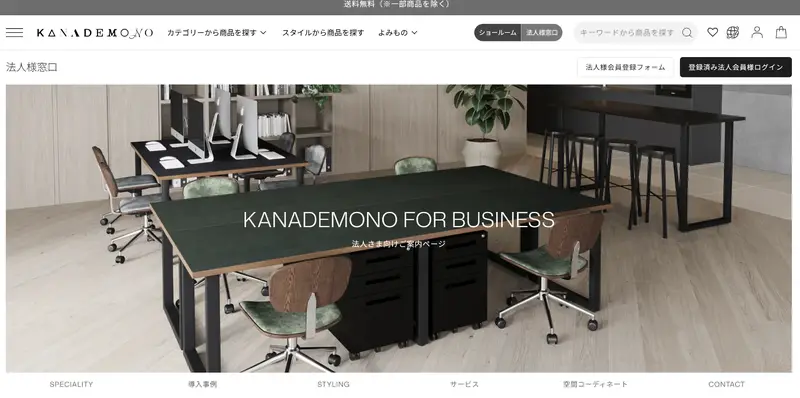

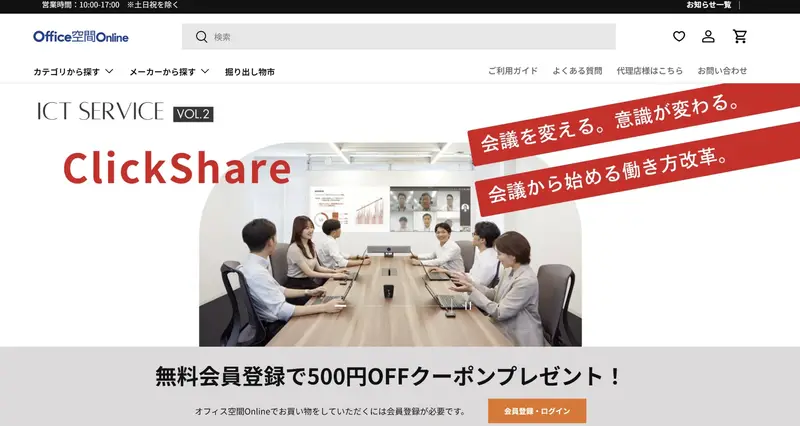
B2B Furniture Market Size and Trends
According to research by Mordor Intelligence, the global office furniture market is projected to reach US$78.1 billion in 2025 and expand to US$109 billion by 2030. Demand is expected to continue to grow steadily due to the increasing prevalence of hybrid work.
Factors driving increased e-commerce demand in the B2B furniture market
The rise of younger buyers and changing expectations: With digital natives Gen Z and Millennials becoming the main drivers of purchasing, the demand for efficient and convenient online shopping is increasing.
Benefits of e-commerce for B2B furniture
Streamlining the sales team: Self-service ordering allows sales representatives to focus on profitable deals and acquiring new customers, rather than repetitive order processing.
Running costs and feasibility
The main challenge in B2B furniture e-commerce is the high cost. For corporate purchasing managers, in addition to the same smooth purchasing experience they enjoy as consumers—including a seamless checkout flow, intuitive operation, and a simple, easy-to-understand digital platform—they also demand the following:



