 跨境独立站开店
B2B Digital Transformation: Utilizing EDI Data with Cloud OMS
This section explains how integrating EDI data with cloud-based OMS is relevant to the latest trends in B2B e-commerce.



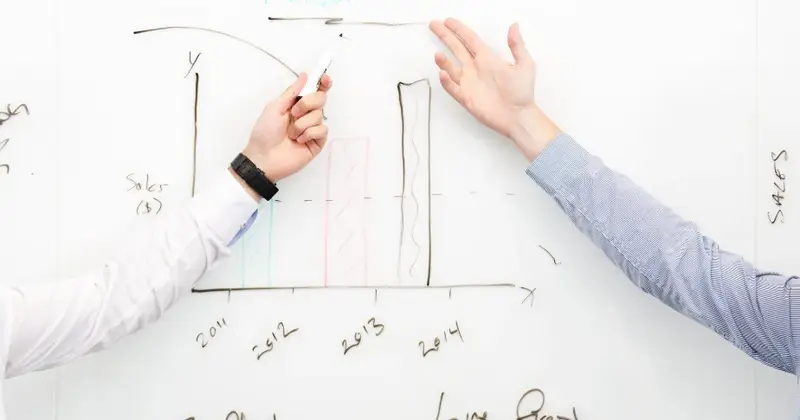
Current state of B2B transactions
With younger generations increasingly taking on purchasing roles within companies, e-commerce has emerged as a new channel for B2B transactions. For businesses operating in the B2B sector, optimizing the integration of e-commerce and traditional sales channels, rather than operating them separately, has become an urgent challenge.
Self-service portal (e-commerce)
E-commerce through B2B self-service portals is becoming a primary tool for business-to-business transactions. This is driven by the increasing number of younger people among corporate purchasing decision-makers, leading to a growing demand for self-service purchasing experiences that provide access to detailed information and seamless connectivity.
External digital transactions: EDI and electronic ordering systems
Even with the rise of e-commerce, EDI and electronic ordering systems remain essential for major business-to-business transactions, especially when dealing with retailers and brands that handle large volumes of transactions. Electronic ordering systems such as EDI and punch-out integration (a mechanism that directly links a company's purchasing management system with external e-commerce sites) require the system, operational processes, or both to be adapted to the requirements of the trading partner. If the connection method differs for each trading partner, integration is not easy.
Offline orders: Sales and account management
While digital order channels continue to develop, traditional offline order taking remains the dominant method in B2B transactions. Sales teams and account managers play a crucial role in building customer relationships, negotiating contracts, and providing personalized services. In many industries, these face-to-face negotiations and discussions are considered core points of contact with customers.



